US launches seventh night of Iran strikes as Hormuz conflict escalates
The US has expanded its air campaign against Iranian military and energy infrastructure as tensions escalate over control of the strait of Hormuz.
- Headline Dispatch: US launches seventh night of Iran strikes as Hormuz conflict escalates
- Core Takeaway: The US has expanded its air campaign against Iranian military and energy infrastructure as tensions escalate over control of the strait of Hormuz.
- Source Synthesis: Continuous live monitoring aggregated across major news wires and independent bureaus.
US launches seventh night of Iran strikes as Hormuz conflict escalates
The United States military launched a seventh consecutive night of strikes against Iran on Friday, July 17, 2026, as a battle for control of the strait of Hormuz intensifies. US Central Command (CENTCOM) stated the operations, which began at 7pm GMT, were designed to continue degrading Iranian military capabilities
at the direction of the Commander in Chief.
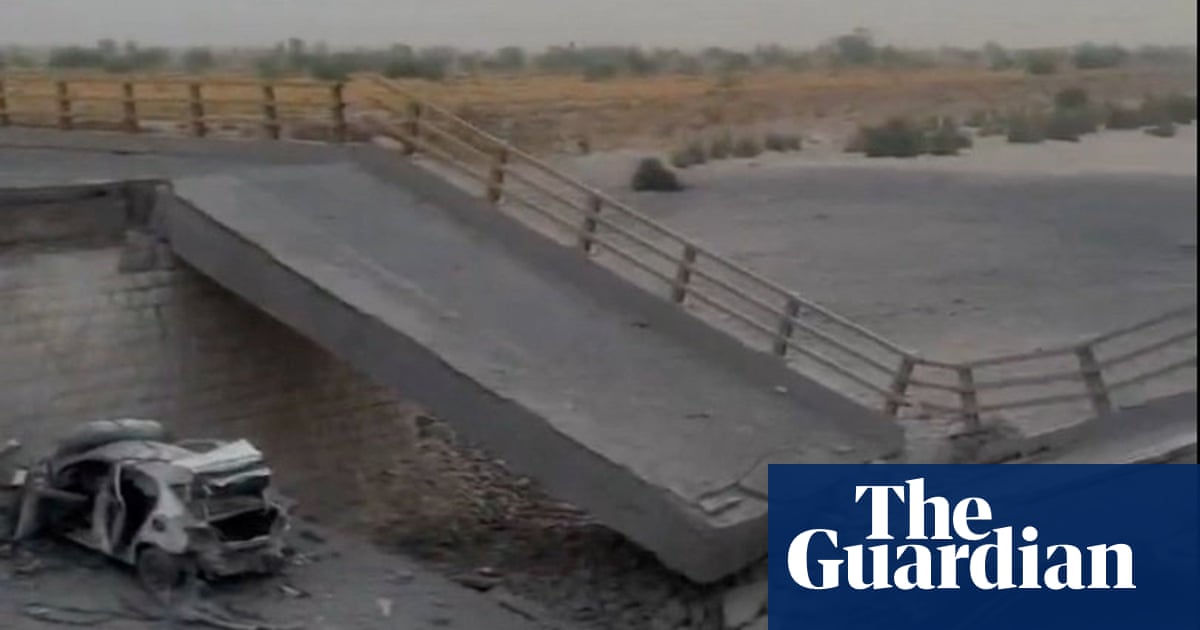
The campaign has expanded to include infrastructure and energy sites. US airstrikes hit bridges in the southern Hormozgan province, and targeted the Bandar Abbas Railway Junction Station and Iranshahr airport. CENTCOM also confirmed the destruction of a surveillance tower at Chabahar port on the Gulf of Oman, which the US says the Islamic Revolutionary Guard Corps (IRGC) used to track and target commercial vessels.
Iran's energy ministry has urged citizens to reduce electricity and air conditioning use during peak hours, citing strain on the power grid caused by US attacks on energy facilities during a period of extreme heat. Human rights experts and UN chief Antonio Guterres have warned that attacks on civilian infrastructure are unacceptable
and could constitute war crimes.
Tehran has responded by targeting US-linked assets and allied nations across the region. Iran launched missiles and drones at Bahrain, Kuwait, Jordan, Oman, and Qatar. In Kuwait, a power and water desalination plant was damaged, threatening a nation that relies on desalination for about 90% of its drinking water. In Qatar, a child was wounded by falling debris after air defenses intercepted missiles. Jordan's military reported the interception of 10 Iranian missiles on Saturday morning.
The IRGC further claimed to have carried out a surprise attack
on the Al-Tanf military base in southeast Syria and hit US assets in Bahrain. However, CENTCOM dismissed the Syria claims as false, stating that no US troops in the region have been recently killed or captured and that forces vacated Al-Tanf in February. A Syrian military source also denied any Iranian bombardment in that area.
The human cost has climbed. Iranian health ministry spokesperson Hossein Kermanpour reported that at least 38 people were killed and more than 400 wounded by Friday morning.
The conflict is centered on the strait of Hormuz, which historically handled about a fifth of the world's oil and gas supply. A memorandum of understanding signed in mid-June intended to keep the waterway open, but the deal collapsed over competing transit plans. On Wednesday, the US reimposed a blockade of Iranian ports. CENTCOM reported that since Tuesday at 8pm GMT, it has redirected four commercial ships and disabled the Curacao-flagged M/T Belma by firing a missile at its smokestack. US Marines also boarded the M/T Wen Yao on Thursday.
Maritime traffic has plummeted. Data from Kpler showed only eight ships passed through the strait on Thursday, seven of which used the Iranian route. The IRGC claimed two oil tankers exploded after hitting mines in the strait, a claim the US military called false. Iran's Tasnim news agency reported a Thai-flagged ship was targeted Friday after allegedly ignoring warnings from the IRGC navy.
The escalation has impacted global markets. Brent crude crossed $88 a barrel on Friday, its highest level in a month. While White House press secretary Karoline Leavitt noted gas prices are down approximately 60 cents a gallon from the conflict's peak, market analysts warn that any disruption to the Bab al-Mandeb Strait by Houthi allies would mark a serious escalation. Iran has reportedly asked the Houthis to be prepared to close the Red Sea oil route if energy infrastructure continues to be targeted.
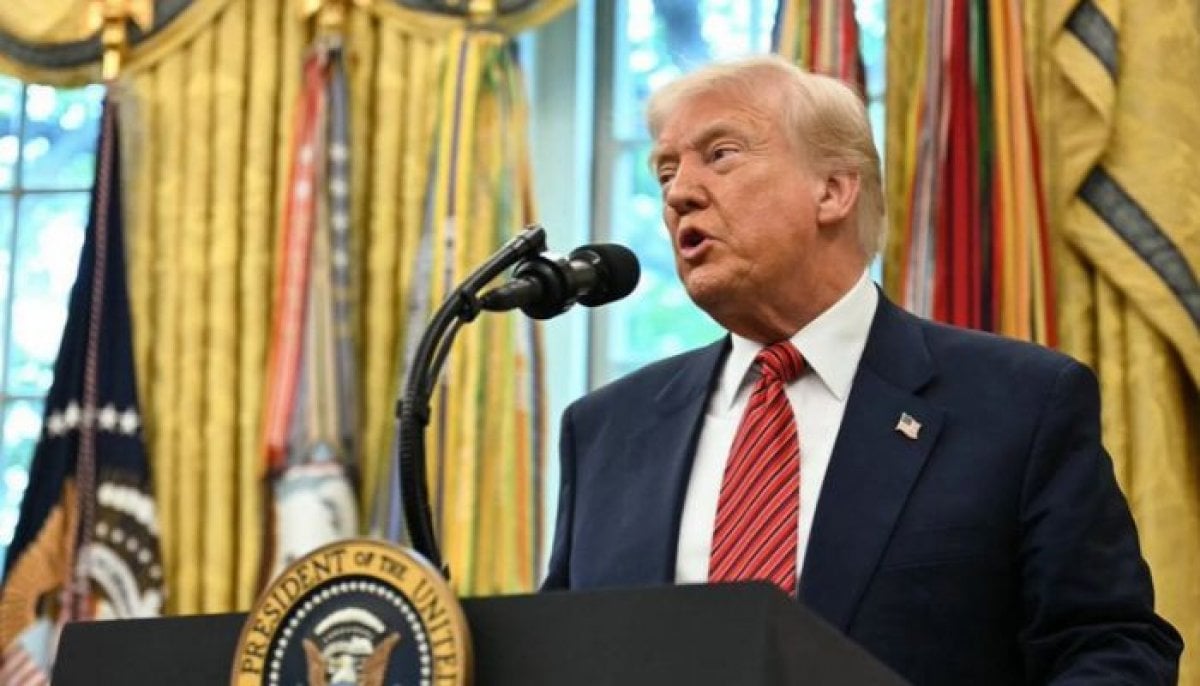
President Donald Trump has maintained that the US is winning big in Iran
and that the fruits of this labor will be seen very, very shortly
. Meanwhile, Major-General Mohsen Rezaei, an adviser to Iran's supreme leader, warned that Tehran is ready to enter a phase of offence and complete destruction
if US strikes continue for another two or three days.
Efforts by Pakistan and Qatar to bring both sides back to the negotiating table continue, though Pakistani officials acknowledged these efforts are becoming increasingly difficult.
How significant is this development?
Participate in our community survey on the trajectory and real-world impact of this news.