US strikes hit Iran for seventh consecutive night as oil prices rise
A week of US airstrikes against Iranian military and logistics hubs has triggered a spike in global energy prices and disrupted shipping in the Strait of Hormuz.
- Headline Dispatch: US strikes hit Iran for seventh consecutive night as oil prices rise
- Core Takeaway: A week of US airstrikes against Iranian military and logistics hubs has triggered a spike in global energy prices and disrupted shipping in the Strait of Hormuz.
- Source Synthesis: Continuous live monitoring aggregated across major news wires and independent bureaus.
US strikes hit Iran for seventh consecutive night as oil prices rise
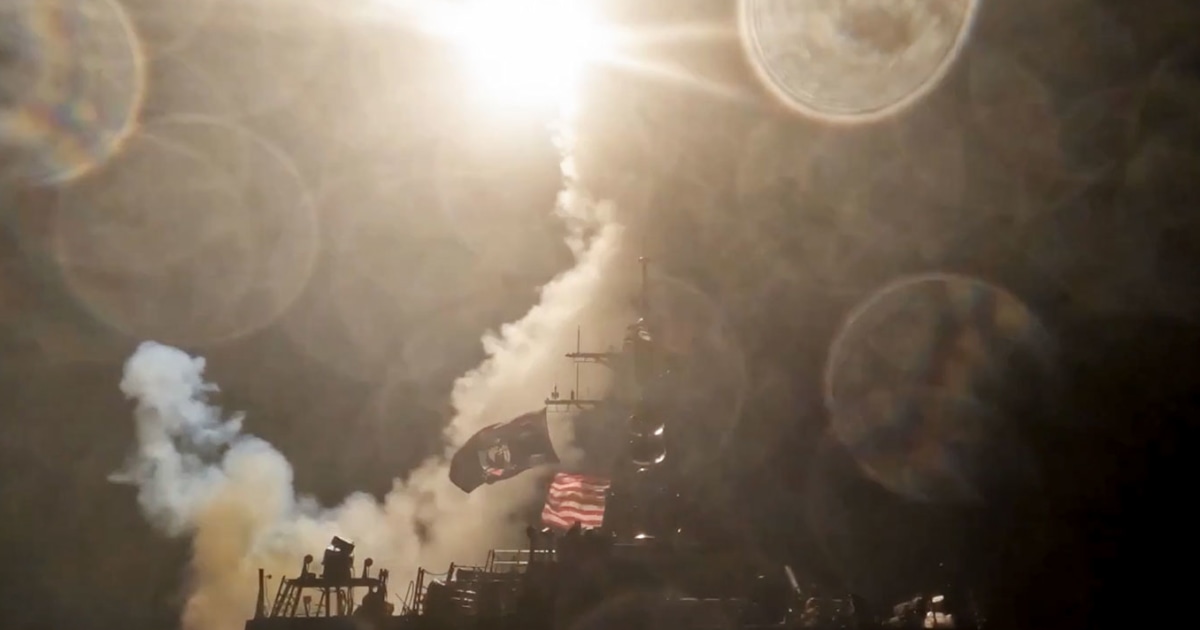
The United States military has concluded a seventh consecutive night of strikes against Iran, expanding a campaign aimed at degrading military capabilities and increasing pressure on Tehran regarding the Strait of Hormuz. U.S. Central Command (CENTCOM) announced the operations ended at 9:30 p.m. ET on Friday, following a round of attacks that began at 3 p.m. ET.
The renewed hostilities have sent global energy markets climbing. Brent crude futures rose by $2.49, or 2.96%, to $86.72 a barrel by 11:50 a.m. ET Friday. U.S. West Texas Intermediate (WTI) futures increased by $2.48, or 3.14%, to $81.43. For the week, both benchmarks were headed for a 14% increase.
Military Escalation and Infrastructure Damage
CENTCOM reported that fighter jets, drones, and warships targeted surveillance sites, underground weapons storage, military logistics infrastructure, and maritime capabilities. The latest strikes specifically targeted southern Iran, with an apparent effort to isolate the main port city of Bandar Abbas from the rest of the country by hitting highways and railway bridges.
Iranian state media reported that at least eight people were killed and 20 injured in overnight strikes. Specifically, the state news agency IRNA, citing the Hormozgan University of Medical Sciences, reported seven deaths following strikes on bridges in the southern port city of Bandar Khamir. BBC Verify and BBC Persian confirmed footage showing damage to the Gariveh Bridge.
Other reported targets include:
- A railway junction station west of Bandar Abbas
- Iranshahr Airport
- Coastal surveillance and air defense sites near Qeshm Island
- A maritime control tower in Chabahar on the Gulf of Oman
While the U.S. Military maintains it has struck exclusively military targets, Iranian officials claim civilian infrastructure was hit. The Energy Ministry in Iran requested that residents in southern provinces reduce electricity use following attacks on power infrastructure. However, the Ministry of External Affairs in New Delhi clarified Friday that the Chabahar Port terminal itself remained intact.
Regional Counterattacks
Iran responded by launching missiles and drones at U.S.-allied states. The Islamic Revolutionary Guard Corps (IRGC) claimed it targeted U.S. Military facilities in Bahrain, Jordan, and Kuwait, as well as the Al-Tanf base in Syria—the first direct attack on a Syrian base. The U.S. Denied these claims, noting that the Al-Tanf base had been handed over to Syrian forces in February.
In Qatar, air defenses were activated and a child was injured by falling missile interception debris, according to the country's interior ministry. In Kuwait, a power and water desalination plant was targeted, resulting in a fire and damage to power generation units. Additionally, Kuwaiti officials stated that Iranian drone strikes injured several soldiers.
The IRGC also claimed to have targeted a U.S. Maritime surveillance radar installation in Oman and stopped four ships from passing through the Strait of Hormuz using a combined missile and drone operation
.
Shipping and Economic Impact
The conflict has largely halted traffic through the Strait of Hormuz, a chokepoint that typically handles one-fifth of the world's oil and liquefied natural gas. According to Kpler, daily traffic dropped to only 8 ships on Thursday, down from 15 the previous day.
The IRGC warned that regional energy exports are either shared by all, or denied to all
, and signaled it may encourage Houthi allies in Yemen to target the Bab al-Mandeb Strait. A senior Houthi official suggested such a move could push oil prices to $200 a barrel.
Inside Iran, residents reported to Reuters that the collapse of the fragile ceasefire has led to soaring grocery prices and economic hardship due to internet disruptions and disrupted work.
Diplomatic Tension and Future Outlook
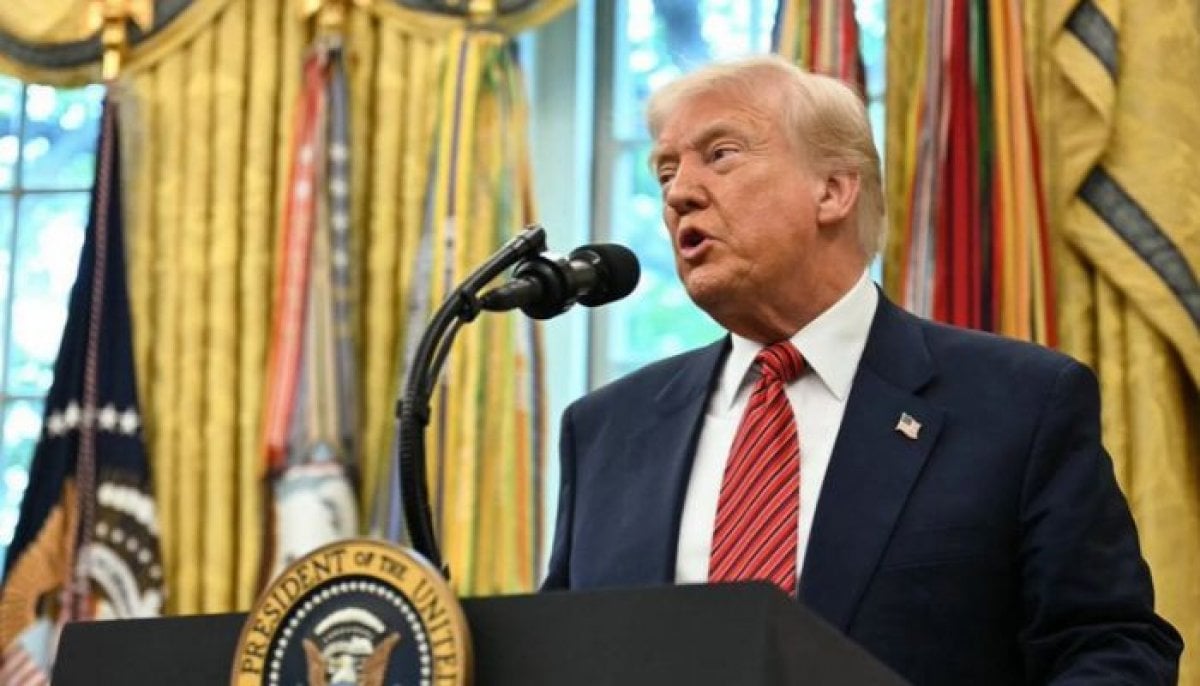
President Donald Trump stated the U.S. Is winning big
in Iran and told Fox News that next week it gets really bad for them
, threatening to widen strikes to hit power plants and bridges unless Tehran returns to negotiations.
Despite the violence, some channels remain open. President Trump described the release of Dena Karari, an American citizen detained since December 2024, as a gesture of goodwill
. White House press secretary Karoline Leavitt stated that Iran wants to make a deal with us
.
Simultaneously, the U.S. State Department approved the potential sale of advanced precision kill weapon systems to Saudi Arabia, with BAE Systems as the principal contractor, in a deal estimated at $1.96 billion.
How significant is this development?
Participate in our community survey on the trajectory and real-world impact of this news.