US strikes Iran for seventh night in row after bridges and tower destroyed
The United States has expanded its airstrikes against Iranian military and energy infrastructure, leading to retaliatory missile attacks across several regional nations.
- Headline Dispatch: US strikes Iran for seventh night in row after bridges and tower destroyed
- Core Takeaway: The United States has expanded its airstrikes against Iranian military and energy infrastructure, leading to retaliatory missile attacks across several regional nations.
- Source Synthesis: Continuous live monitoring aggregated across major news wires and independent bureaus.

US strikes Iran for seventh night in row after bridges and tower destroyed
The United States military launched a seventh consecutive night of airstrikes against Iran on Friday, expanding a campaign targeting military capabilities, energy sites, and transit infrastructure. The escalation follows a collapse of an interim ceasefire agreed upon last month and coincides with a renewed U.S. Naval blockade of Iranian ports that began Tuesday at 8pm GMT.
US Central Command (CENTCOM) stated via X that the latest strikes began at 7pm GMT (19:00 GMT), or 10:30pm local time in Iran, to continue degrading Iranian military capabilities at the Commander in Chief’s direction
. The military reported hitting dozens of targets, concluding the operation at dawn Friday.
Infrastructure and Casualties
American airstrikes focused heavily on Iran's southern Hormozgan province. Iranian authorities reported strikes on several infrastructure sites, including the Shahid Mirzaei Tunnel and bridges on the Minab-Rudan road and the Bandar Abbas-Sirjan route, specifically the Rudkhaneh Shur Bridge. The strikes on highway and railway bridges appeared intended to isolate Bandar Abbas, the nation's primary port, from roads leading to the capital, Tehran.
The military campaign also targeted the Chabahar port on the Gulf of Oman. US forces collapsed a tower that CENTCOM identified as part of a maritime surveillance network used by the Islamic Revolutionary Guard Corps (IRGC) to track and target
commercial vessels. Iran's state-run IRNA news agency described the facility as a tower overseeing commercial traffic. Other targets included Iranshahr airport, a civilian airport building in Semnan, and a bottled water facility in Dehloran.
Human costs have risen sharply. Health Ministry spokesperson Hossein Kermanpour stated that renewed US strikes killed at least 38 people and wounded more than 400 by Friday morning. Other Iranian reports cited a higher death toll, with authorities stating at least 46 people were killed. In Ahvaz, more than 200 patients were evacuated from Baghaei Specialized Hospital after it was reportedly rendered inoperable.
Iran's Energy Ministry acknowledged attacks on power infrastructure
for the first time on Friday, urging citizens in southern provinces to reduce electricity and air conditioning use during extreme heat.
Regional Retaliation
Tehran responded with missile attacks against US-allied nations. In Kuwait, Iranian strikes hit a power and water desalination plant, damaging numerous electricity generation units and sparking a fire. Kuwait relies on desalination for about 90% of its drinking water. Qatar, a key mediator in the conflict, twice warned citizens to take shelter as air defenses intercepted a barrage of missiles; the Interior Ministry reported a child was wounded by falling debris.
Other targets included Bahrain, Jordan, Oman, and Syria. The IRGC claimed to have struck a US unmanned aerial vehicle depot in Bahrain, though Washington has not confirmed this. Jordan's military reported intercepting three missiles on Friday morning. In northern Iraq's Kurdish region, explosions were heard in Irbil and Sulaymaniyah; an anonymous official said an attack on the dissident group Komala killed at least nine people.
War of the Strait
The conflict centers on the Strait of Hormuz, which Iran has effectively closed to shipping traffic since the war began on February 28. This move sent oil prices soaring, with prices rising above $86 a barrel on Friday.
Tensions intensified as both sides disputed the terms of the previous memorandum of understanding regarding shipping routes. The US military reported redirecting three commercial vessels attempting to break the blockade since Tuesday and previously disabled an unladen oil tanker. Meanwhile, the British military reported that a tanker taking a route closest to Oman sustained minor damage on Friday.
Iran's state news agency claimed two oil tankers hit mines in the strait and exploded, but the US military called that claim false.
Political Outlook
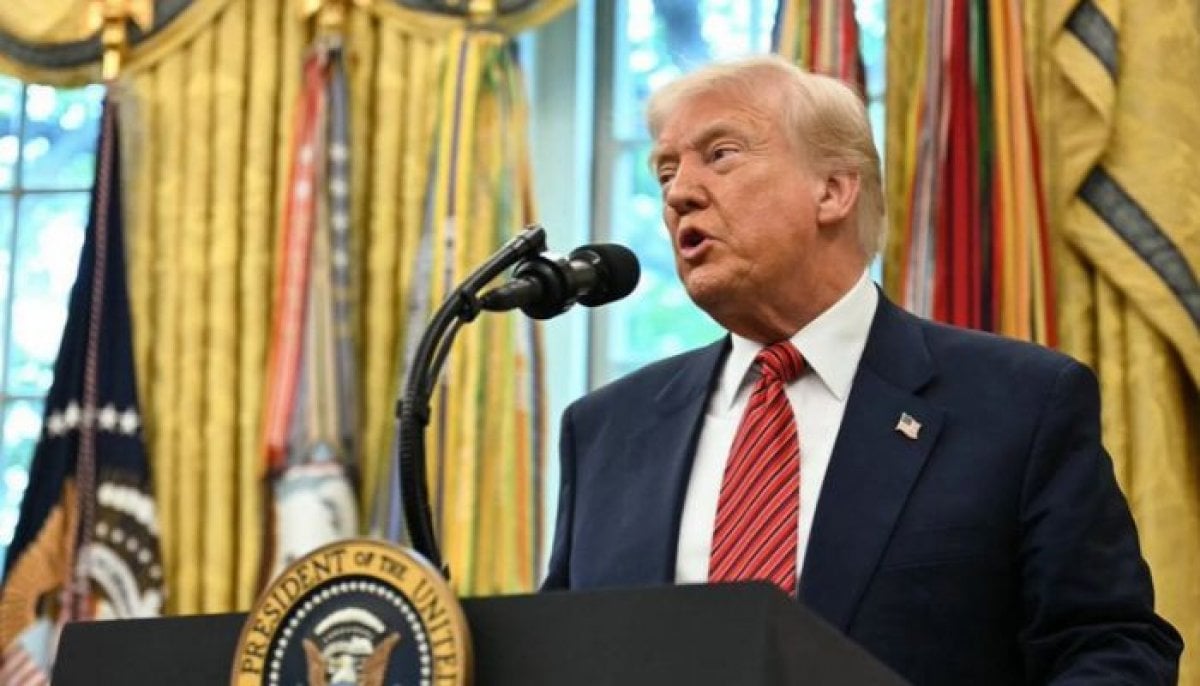
President Donald Trump defended the strategy in a primetime address on Thursday, stating,
"We are likewise winning big in Iran, and you will see the fruits of that labor very, very shortly,"
Donald Trump, US President, via primetime address
Tehran has threatened a more aggressive phase of the war. Major-General Mohsen Rezaei, an adviser to the supreme leader, warned that Iran would move into a phase of offence and complete destruction
if attacks do not cease. He stated that Tehran is ready to launch full-scale offensive operations
if the bombing continues for another two or three days.
Further escalation may involve the Houthis in Yemen. According to reports, Iran has asked the group to be prepared to close the Red Sea oil route if the US continues to target Iranian energy infrastructure.
How significant is this development?
Participate in our community survey on the trajectory and real-world impact of this news.