US strikes Iranian bridges and port tower as Hormuz conflict intensifies
United States forces expanded their aerial campaign against Iran, hitting critical transport infrastructure in an effort to reopen the Strait of Hormuz.
- Headline Dispatch: US strikes Iranian bridges and port tower as Hormuz conflict intensifies
- Core Takeaway: United States forces expanded their aerial campaign against Iran, hitting critical transport infrastructure in an effort to reopen the Strait of Hormuz.
- Source Synthesis: Continuous live monitoring aggregated across major news wires and independent bureaus.

US strikes Iranian bridges and port tower as Hormuz conflict intensifies
The United States expanded its aerial campaign against Iran early Friday, July 17, 2026, targeting critical transport infrastructure and a port tower as part of a broader effort to force Tehran to end its blockade of the Strait of Hormuz. The operation concluded at dawn, marking the sixth consecutive night of American airstrikes.
According to the U.S. Military’s Central Command (CENTCOM), precision strikes involving warships, drones, and fighter aircraft hit dozens of targets. These included maritime capabilities in areas near Bandar Abbas, air defense sites, coastal surveillance systems, and military logistics infrastructure on Qeshm Island.
In Iran's southern Hormozgan province, strikes hit five bridges and the Bandar Khamir railway station. Iranian state television reported that at least seven people were killed in these attacks. The strikes on highway and railway bridges appear designed to sever the connection between the central region and Tehran and the main port at Bandar Abbas.
The U.S. Also targeted the Chabahar port on the Gulf of Oman. The state-run IRNA news agency reported the facility suffered a third round of strikes, which resulted in the collapse of a tower. While Iran described the tower as a facility for overseeing commercial traffic, the U.S. Defense Secretary Pete Hegseth shared an image of the tower collapsing to assert American control over the strait.
The escalation follows the collapse of an interim ceasefire agreed to last month. This conflict began on February 28, when the U.S. And Israel launched a war on Iran. In response, Tehran closed the Strait of Hormuz to shipping traffic, an action that sent oil prices soaring.
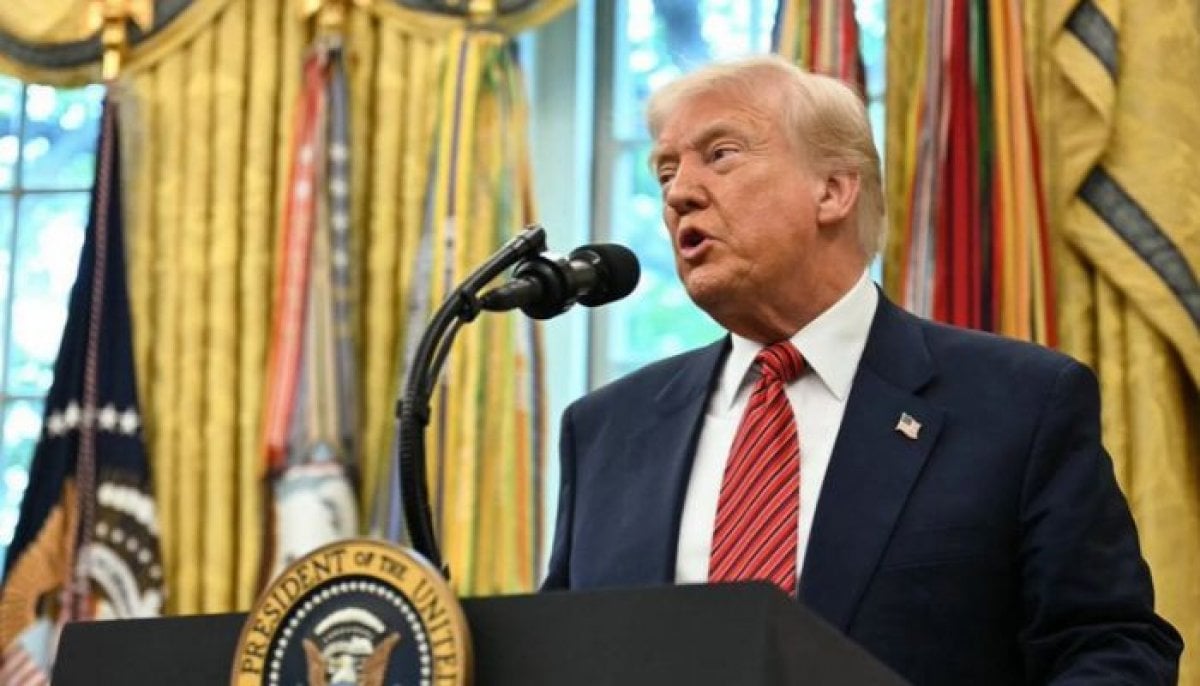
President Donald Trump addressed the American public in a primetime speech regarding the progress of the war.
"We are likewise winning big in Iran, and you will see the fruits of that labor very, very shortly,"
Donald Trump, U.S. President
Iran responded to the Friday strikes with a series of missile and drone attacks against U.S.-allied nations and military facilities across the Gulf. In Qatar, a key mediator in the conflict, the public was twice warned to take shelter during a missile barrage. Qatar's Interior Ministry reported that falling debris from intercepted missiles wounded a child.
Other regional targets included:
- Jordan: The military intercepted three incoming Iranian missiles on Friday morning.
- Bahrain and Kuwait: Iran targeted U.S. Military bases in both nations.
- Iraq: Explosions were heard in Sulaymaniyah and Irbil in the semiautonomous Kurdish region as air defenses engaged incoming fire.
The U.S. Has also reimposed a naval blockade on Iranian ports to stop crude oil shipments. CENTCOM reported via X that American forces boarded one vessel to ensure compliance, disabled another that refused to obey, and redirected three commercial vessels attempting to breach the blockade.
The conflict is severely impacting global energy trade. About a fifth of oil and natural gas traded in peacetime passes through the Strait of Hormuz. Lloyd’s List Intelligence reported that week-to-week cargo shipments dropped by almost a quarter at the beginning of the month, prior to the current surge in attacks. Some shippers are now transiting with location devices turned off, while others are avoiding the strait entirely.
While the U.S. Has focused on bridges and ports, President Trump has recently threatened to target Iranian power stations to compel the easing of the chokehold on the strait. Iranian officials maintain that U.S. Strikes have killed dozens and wounded hundreds of people.
Despite the violence, some civilians in Tehran appeared defiant. On Thursday, July 16, reports described a woman flashing a victory sign at the main bazaar and a man waving an Iranian flag beneath a billboard referencing the late U.S. Sen. Lindsey Graham and President Trump.
Efforts to reach a diplomatic resolution via mediators in Qatar and Pakistan have broken down over the status of the Strait of Hormuz. The U.S. Continues to monitor the movement of goods and military materiel to Iran's 90 million people as it considers expanding strikes further into the country's interior.
How significant is this development?
Participate in our community survey on the trajectory and real-world impact of this news.