US strikes continue on Iran; Malcolm Roberts criticised for antisemitic post
The United States and Iran have engaged in escalating military exchanges over the Strait of Hormuz, leading to a dramatic decline in maritime traffic.
- Headline Dispatch: US strikes continue on Iran; Malcolm Roberts criticised for antisemitic post
- Core Takeaway: The United States and Iran have engaged in escalating military exchanges over the Strait of Hormuz, leading to a dramatic decline in maritime traffic.
- Source Synthesis: Continuous live monitoring aggregated across major news wires and independent bureaus.

US strikes continue on Iran; Malcolm Roberts criticised for antisemitic post
The United States and Iran have engaged in a series of escalating military exchanges through Thursday, July 16, 2026, effectively shattering a peace agreement reached last month. The conflict has centered on the control of the Strait of Hormuz, a critical waterway.
U.S. Central Command (CENTCOM) reported hitting 90 Iranian military targets, including air defense systems, coastal radar sites, command and control networks, and more than 60 Islamic Revolutionary Guard Corps (IRGC) small boats. These strikes followed Iranian attacks on three commercial vessels: the Saudi Arabia-flagged M/T Wedyan, the Liberian-flagged M/T Cyprus Prosperity, and the Marshall Islands-flagged M/T Al Rekayyat. CENTCOM stated the operations were intended to degrade Iran's ability to attack international commerce.
Iran has responded with its own wave of strikes. The IRGC claimed to have destroyed 85 U.S. Military installations in Bahrain and Kuwait, including the Fifth Naval Base in Bahrain and Ali Salem Airbase in Kuwait. Later on Thursday, state-linked media reported further Iranian strikes targeting sites in Iraq, Jordan, and Kuwait.
The hostilities have caused a dramatic decline in maritime traffic. Marine director Phil Belcher of Intertanko noted that ships using the southern route closer to Oman have dropped to single figures
, with overall daily traffic falling to about 30 ships from 70 a week prior. Normal levels before the war began were around 130 ships. World Trade Organization data indicates no outbound liquid natural gas shipments since July 5 and no crude oil shipments exiting the Persian Gulf since July 7.
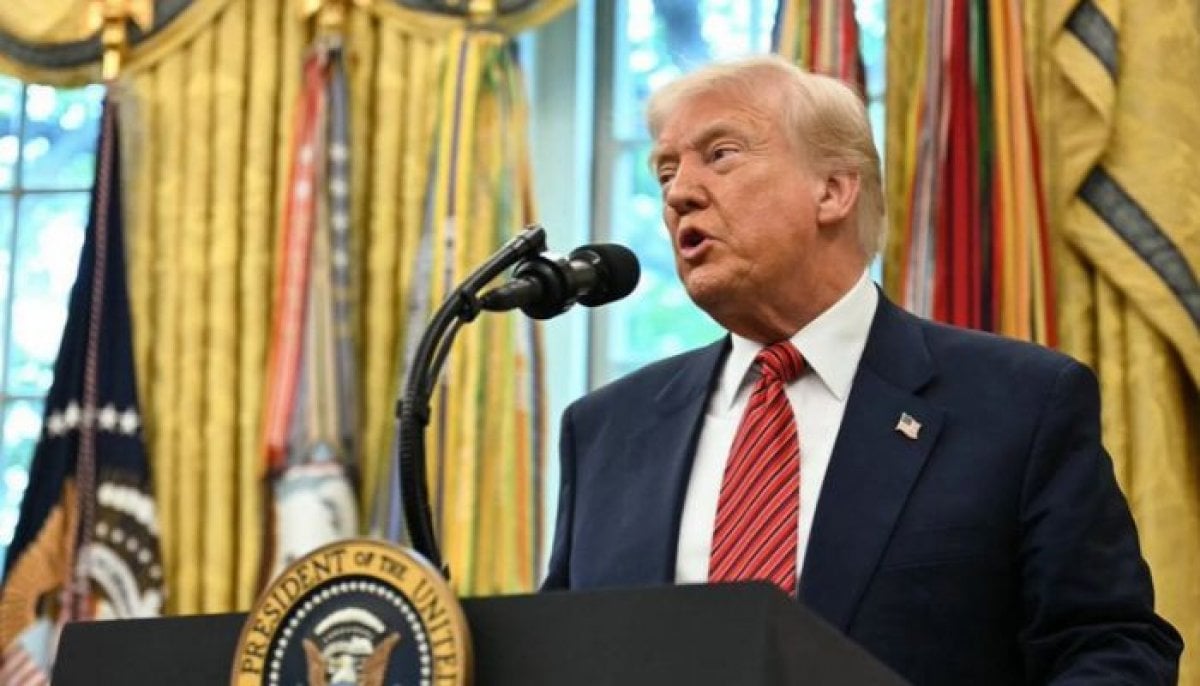
The military escalation follows the collapse of a memorandum of understanding (MoU) signed on June 17. The 14-point agreement established a 60-day ceasefire and required Iran to allow free passage through the strait in exchange for the U.S. Lifting sanctions on Iranian oil and unfreezing assets. However, President Donald Trump told reporters at a NATO summit in Ankara, Turkiye, that he believes the MoU is over
and referred to Iranian leadership as scum
, calling further talks a waste of time
.
On the economic front, the U.S. Department of the Treasury reimposed sanctions on Iranian oil effective July 7 for new sales, though a grace period exists for sales made before that date. Meanwhile, President Trump reversed a plan to charge a 20% reimbursement fee on cargo traveling through the strait after facing opposition from Middle Eastern leaders.
In Iran, the violence coincided with the burial of Supreme Leader Ayatollah Ali Khamenei, who was killed on February 28 during the first hours of the US-Israel war on Iran. State broadcaster IRIB reported his coffin was carried into the shrine of Imam Reza in Mashhad. His son and successor, Mojtaba Khamenei, was not seen in public; he was reportedly seriously wounded in the same attack that killed his father.
The Iranian health ministry reported 14 deaths and 78 injuries across five provinces. Damage was reported at railway bridges, the southern port of Konarak, and targets near the Bushehr nuclear power plant. Iran's Foreign Minister Abbas Araghchi stated the U.S. Actions rendered fundamental elements of the war-ending agreement ineffective.
Separately, One Nation senator Malcolm Roberts is facing fresh condemnation from Jewish leaders. The criticism stems from a May 2024 post on X featuring a notorious antisemitic mural. Roberts has continued to promote conspiracy theories using tropes such as globalist parasites
and claims that a cabal
of the major banking families in the world
drives climate change policies.
The U.S. Is also adjusting its regional footprint. Iraq's Prime Minister Ali al-Zaidi announced that remaining U.S. Troops will withdraw from Iraq by September 30.
How significant is this development?
Participate in our community survey on the trajectory and real-world impact of this news.