US military says two service members killed in Iranian strike in Jordan
The US military reported two service members killed and another missing following Iranian ballistic missile and drone strikes in Jordan.
- Headline Dispatch: US military says two service members killed in Iranian strike in Jordan
- Core Takeaway: The US military reported two service members killed and another missing following Iranian ballistic missile and drone strikes in Jordan.
- Source Synthesis: Continuous live monitoring aggregated across major news wires and independent bureaus.
US military says two service members killed in Iranian strike in Jordan
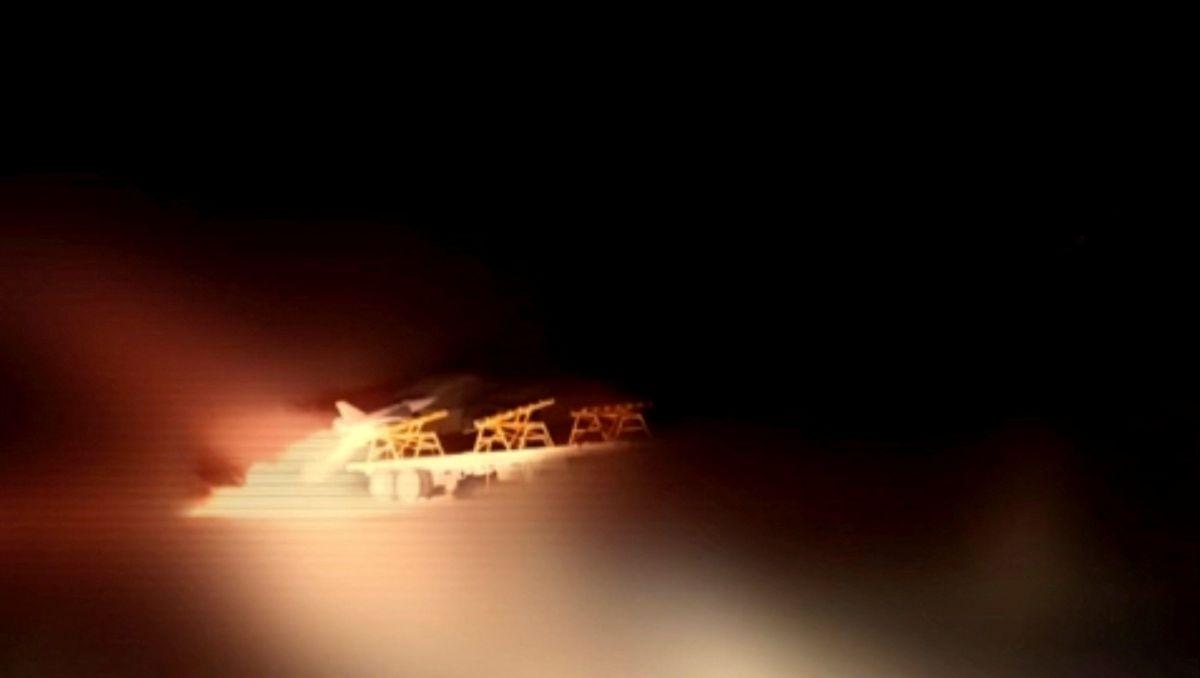
The US military has reported its first combat fatalities since March in the war with Iran, announcing that two service members were killed and another is missing in action following an attack in Jordan. The deaths occurred Friday as US and partner forces defended against a series of Iranian ballistic missile and drone strikes.
US Central Command (CENTCOM) stated on July 18 that four other service members were injured and evacuated to Jordanian hospitals; two have since been discharged. The military has not identified the victims pending family notification. While the official statement did not specify a location, the Wall Street Journal reported the strike hit the Muwaffaq Salti Air Base, a site US forces have used to launch air strikes against Iran.
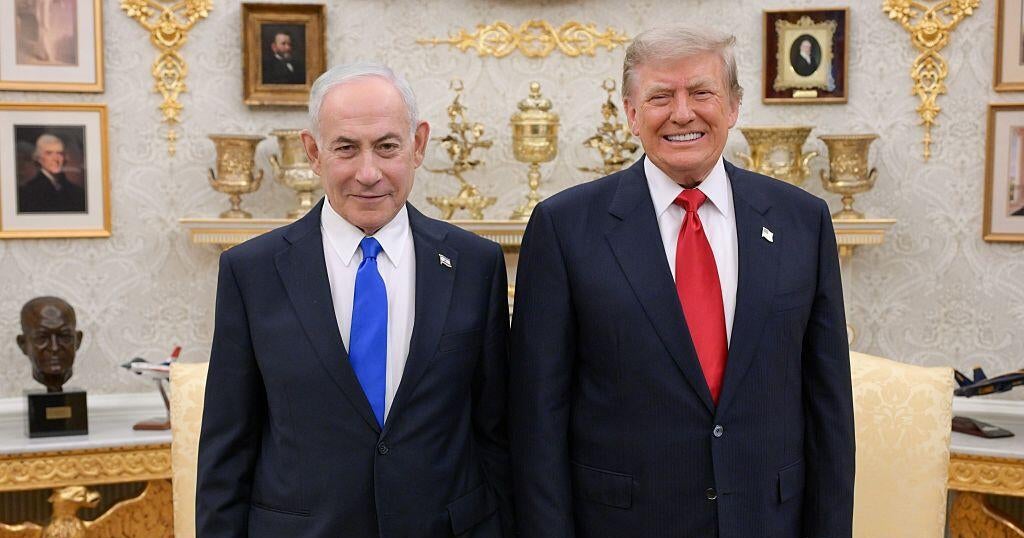
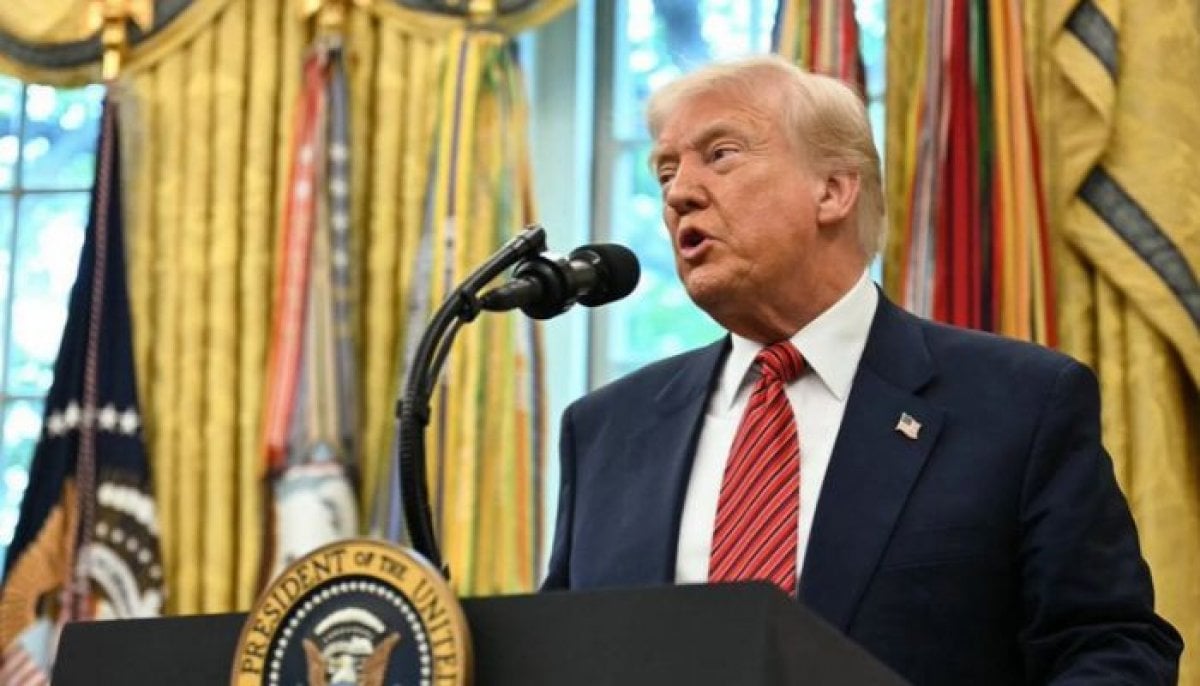
US President Donald Trump described the deaths in an interview with the NewsNation network as very said
, adding, We hate to see it happen. It’s in service to our country.
Defense Secretary Pete Hegseth wrote on X, Godspeed, heroes. Their sacrifice only stiffens our resolve.
Escalation and the Collapse of Ceasefire
The fatalities coincide with the unraveling of an interim memorandum of understanding (MOU) signed approximately one month ago to permanently end the fighting. The agreement has now been effectively suspended, according to Iranian officials.
Deputy Foreign Minister Kazem Gharibabadi stated in a televised interview that the US violated obligations under the Islamabad declaration of intent through aggressive measures
, leading Tehran to suspend its own commitments. Foreign Ministry spokesman Esmail Baghaei echoed this sentiment, noting the MOU had been effectively been suspended.
The conflict remains centered on the Strait of Hormuz, a critical waterway for global oil and gas. A primary clause of the MOU involved a US demand to open the strait, which Iran has effectively blocked. Washington claims Tehran's control of the waterway violates the deal, while CENTCOM and the White House maintain that recent US strikes aim to degrade Iran's ability to target ships in the region.
Regional Strikes and Civilian Impact
Iran has responded to US actions by targeting Gulf Arab allies. On Saturday, Iranian ballistic missiles and drones struck Kuwait, where the IRGC claimed to have destroyed a radar facility at Ali Al Salem Air Base and hit a US military support center at Camp Arifjan. Kuwaiti authorities reported significant damage to an oil facility and a second attack in two days on a water desalination plant, which provides 90% of the nation's drinking water.
In Jordan, Iranian state TV claimed that a missile and drone attack on the Al Azraq base destroyed at least two US fighter aircraft and three other aircraft. Other regional alerts included air sirens in Bahrain and warnings in Saudi Arabia for residents of Yanbu and Al-Kharj, the latter of which hosts a US military base.
Simultaneously, the US carried out its seventh consecutive night of strikes, targeting Iranian surveillance sites, underground weapons storage, and maritime capabilities. These strikes hit the southern Hormozgan province, destroying the Bonji desalination plant and cutting off water to about 10,000 people. Iranian state TV reported three bridges were hit Saturday, disrupting the highway to the port of Bandar Abbas. Iran's Health Ministry stated 50 people were killed and over 500 wounded in US strikes over the past three weeks.
Leadership Mystery in Tehran
Amid the violence, Iranian Supreme Leader Mojtaba Khamenei issued a written statement via state media and social media on July 18. He described President Trump's signature as utterly worthless and devoid of credibility
and warned that the axis of resistance
has unforgettable lessons
for the US.
Khamenei has not appeared in public since February 28, the day his father—the previous supreme leader—was killed in US-Israeli air strikes. Reports suggest the 56-year-old Khamenei was severely injured in that attack. His absence from his father's funeral services in early July, attributed by authorities to security concerns, has led experts to question his health and legitimacy.
Casualties and Strategic Outlook
The deaths in Jordan bring the total number of known US service member fatalities since the start of US-Israeli strikes on February 28 to 16, with over 430 wounded. Other previous deaths include:
- Six soldiers killed March 1 by a drone strike on a command center in Kuwait.
- One soldier fatally injured March 8 at the Prince Sultan Air Base in Saudi Arabia.
- Six crew members killed March 12 when a refueling aircraft crashed in western Iraq.
- One Navy pilot killed in early July when a helicopter crashed in the Arabian Sea.
To compel Tehran to loosen its hold on the Strait of Hormuz, the US has reimposed a naval blockade on Iranian ports. The military reported on Saturday that it has redirected five ships and disabled one since the blockade began. Meanwhile, oil prices rose more than 4% on Friday, reaching their highest level in more than a month.
How significant is this development?
Participate in our community survey on the trajectory and real-world impact of this news.