US strikes Iran after troop deaths in Jordan following collapse of peace deal
Following the collapse of an interim peace agreement, the U.S. is intensifying its military campaign against Iranian targets after a fatal drone strike. The conflict now extends to critical utility infrastructure and threatens stability across the Strait of Hormuz.
- Headline Dispatch: US strikes Iran after troop deaths in Jordan following collapse of peace deal
- Core Takeaway: Following the collapse of an interim peace agreement, the U.S. is intensifying its military campaign against Iranian targets after a fatal drone strike. The conflict now extends to critical utility infrastructure and threatens stability across the Strait of Hormuz.
- Source Synthesis: Continuous live monitoring aggregated across major news wires and independent bureaus.
The United States launched a new wave of airstrikes against Iran on Sunday, marking an escalation in hostilities following the first American military deaths since the conflict reignited. The campaign, now in its eighth consecutive night, aims to target units of the Islamic Revolutionary Guard Corps in retaliation for a drone and ballistic missile attack in Jordan on Friday that resulted in two U.S. Service member deaths, four hospitalizations, and one individual still reported missing in action.
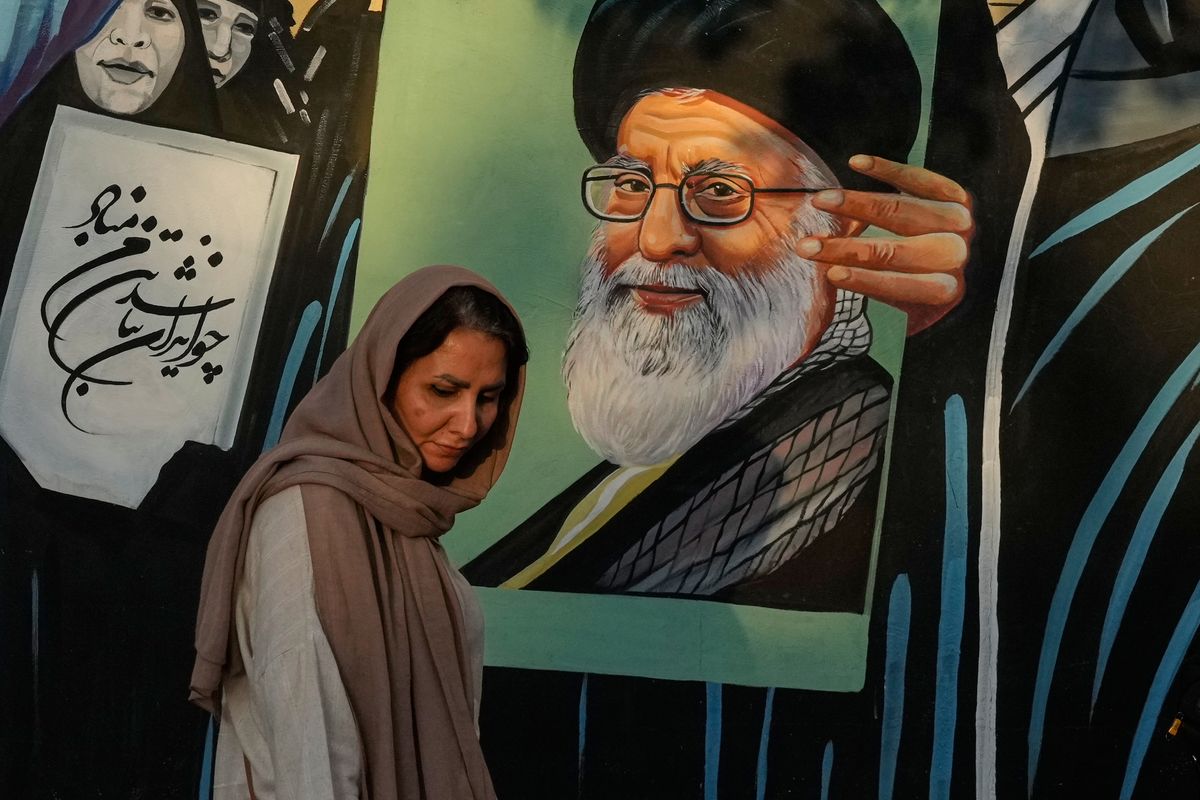
The intensifying violence arrives as a preliminary interim peace deal, intended to permanently end the war and address nuclear concerns, has effectively collapsed. Iran’s deputy foreign minister, Kazem Gharibabadi, announced that Tehran is no longer implementing the pact, while the Iranian supreme leader, Mojtaba Khamenei, issued a warning through state media of unforgettable lessons
should the United States continue its offensive.
The conflict remains centered on the Strait of Hormuz, a critical maritime chokepoint that saw roughly 20% of global oil supplies pass through prior to the start of the war on 28 February 2026. Following the outbreak of hostilities, Iran effectively closed the strait to shipping traffic, leading to a U.S. Naval blockade of Iranian ports. U.S. Central Command stated that the current airstrikes are designed to degrade Iran’s ability to control the waterway and its ballistic missile capabilities. Recent targets have included coastal surveillance facilities, air defense systems, and maritime infrastructure.
On the ground, the reach of the fighting has expanded to include civilian and utility infrastructure. Over the past week, U.S. Forces have hit bridges, electrical facilities, and water desalination plants, including a site in the village of Bonji. Iranian state news reported that strikes also targeted the construction site of a planned nuclear power plant in the southwest, though the International Atomic Energy Agency noted the site was in early stages and contained no nuclear material. In response, Iran has launched drone and missile attacks against U.S.-allied nations in the region. Kuwait has faced repeated strikes, including attacks on power generation and water desalination units, which have sparked fires and disrupted utility services. Authorities in Kuwait have reported that 90% of the country’s drinking water relies on such facilities.
Jordanian military forces stated they successfully intercepted several Iranian missiles directed at its territory, while air defense systems were also activated in Bahrain and Saudi Arabia. Further complicating the regional situation, a drone strike on Sunday hit a base near Irbil in the semi-autonomous Kurdish region of Iraq, wounding eight members of the Kurdistan Freedom Party. This region hosts both U.S. Personnel and Iranian dissident groups.
Since the war commenced, 16 U.S. Service members have been killed and over 430 have been wounded. Iranian authorities reported on Sunday that at least 50 people have been killed and 517 wounded due to American strikes in the most recent three-week period, while total Iranian civilian deaths since February are reported to exceed 1,700. As both nations continue to exchange fire, the disruption to trade and the targeting of life-sustaining infrastructure have raised concerns among the Gulf Cooperation Council, whose secretary-general, Jasem Mohamed al-Budaiwi, has accused Iran of war crimes.
Military leadership in Tehran, including Major General Mohsen Rezaei and commander Ali Abdollahi, have warned of a decisive and devastating response
and a potential return to full-scale offensive operations if the U.S. Campaign persists.
How significant is this development?
Participate in our community survey on the trajectory and real-world impact of this news.