US strikes Iran after American troops killed in Jordan
A ceasefire has collapsed following a deadly attack on U.S. forces in Jordan, prompting retaliatory airstrikes on Iranian military and energy infrastructure. The escalation has expanded across the region, causing major disruptions to oil shipping through the Strait of Hormuz.
- Headline Dispatch: US strikes Iran after American troops killed in Jordan
- Core Takeaway: A ceasefire has collapsed following a deadly attack on U.S. forces in Jordan, prompting retaliatory airstrikes on Iranian military and energy infrastructure. The escalation has expanded across the region, causing major disruptions to oil shipping through the Strait of Hormuz.
- Source Synthesis: Continuous live monitoring aggregated across major news wires and independent bureaus.
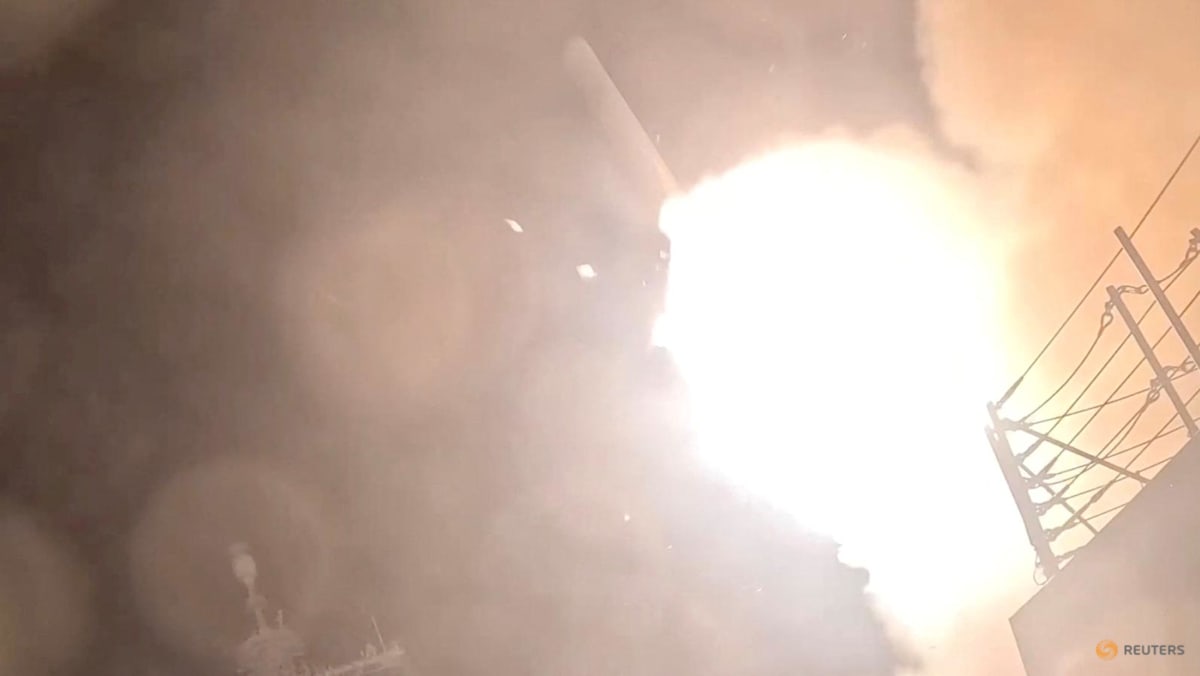
The United States carried out fresh airstrikes on Sunday, 19 July 2026, targeting Iran’s paramilitary Revolutionary Guard in a retaliatory operation following the deaths of American troops in Jordan. The strikes mark the eighth consecutive night of U.S. Military action against Iranian targets, as a preliminary ceasefire agreement aimed at ending the war has officially collapsed.
The escalation follows a deadly attack in Jordan on Friday, 17 July 2026, where Iranian ballistic missiles and drones struck U.S. Forces. The U.S. Military’s Central Command confirmed that two service members were killed in the assault, with one service member reported missing and four others hospitalized. These casualties bring the total number of U.S. Military fatalities to 16 since the conflict with Iran—which involves joint operations with Israel—began on 28 February 2026. According to U.S. Military figures, more than 430 American service members have been wounded during the war.
The recent U.S. Airstrikes aimed to degrade Iran’s ability to control the Strait of Hormuz, a critical waterway for global oil supplies. Central Command stated that the targets included Iranian coastal surveillance facilities, air defense systems, maritime capabilities, and missile and drone storage sites. Footage released by the U.S. Military showed fighter jets and Tomahawk cruise missiles striking targets, including facilities situated in mountainous regions. Additionally, U.S. Strikes have targeted bridges, tunnels, and electrical infrastructure, including the Darkhovin nuclear power plant, which is currently under construction. The Atomic Energy Organization of Iran condemned the attack on the site as a violation of international law.
Tehran responded rapidly to the campaign. The Iranian army claimed to have targeted two U.S. Bases in Kuwait, asserting that drones struck an ammunition depot at Camp Udairi and Patriot radar systems at Ali Al Salem Air Base. Iranian officials have warned of further retaliation, with Supreme Leader Mojtaba Khamenei vowing to teach the United States an unforgettable lesson
and military leaders threatening a decisive and devastating response
to continued aggression.
The conflict has increasingly expanded to include U.S.-allied nations across the Middle East. Kuwait and Bahrain activated air defense systems to intercept Iranian missiles and drones, and a water and power desalination plant in Kuwait was reportedly struck for two consecutive days. In Jordan, the military successfully intercepted several Iranian missiles, while Israeli and Jordanian forces worked to track missiles heading toward the port city of Aqaba. Israel, which began the war alongside the United States in February, cautioned residents in the south to prepare for potential siren alerts as the trajectory of the attacks threatened to spill over into Israeli territory.
Negotiations have reached a stalemate. The interim deal signed one month ago, which included Pakistan as a guarantor, has effectively crumbled as both sides accuse one another of violating its terms. Iran’s deputy foreign minister declared that Tehran has suspended its commitments under the memorandum of understanding. Meanwhile, shipping traffic through the Strait of Hormuz remains severely disrupted, with daily transits falling significantly below pre-war averages. The U.S. Has also reimposed a naval blockade on Iranian ports, further complicating the movement of crude oil and increasing global economic volatility.
Looking ahead, the geopolitical situation remains unstable as both nations continue to exchange fire. Lebanese President Joseph Aoun is expected to visit the White House this week to present a proposal regarding the status of Hezbollah and the security of the region. As the conflict enters its second week of renewed, intensive combat, international organizations have raised concerns regarding the humanitarian impact of rising fuel and food prices, warning of increasing poverty and malnutrition in vulnerable regions.
How significant is this development?
Participate in our community survey on the trajectory and real-world impact of this news.