Iran urges Houthis to close Red Sea gateway if US hits power network
Iran has instructed the Houthi movement to prepare to close the Red Sea oil route if the United States carries out strikes against Iranian power infrastructure.
- Headline Dispatch: Iran urges Houthis to close Red Sea gateway if US hits power network
- Core Takeaway: Iran has instructed the Houthi movement to prepare to close the Red Sea oil route if the United States carries out strikes against Iranian power infrastructure.
- Source Synthesis: Continuous live monitoring aggregated across major news wires and independent bureaus.
Iran urges Houthis to close Red Sea gateway if US hits power network
Iran has instructed the Houthi movement in Yemen to prepare for the closure of the Red Sea oil route if the United States carries out strikes against Iranian power infrastructure, according to three sources who spoke on Thursday, July 16, 2026.
The proposal was discussed among leadership in the Islamic Republic and subsequently conveyed to Houthi allies, according to two senior Iranian sources and a regional source. These sources noted that the Houthis were informed recently, though they did not clarify if the request followed a threat made by U.S. President Donald Trump on Tuesday to attack Iranian power infrastructure and bridges next week unless negotiations resume.
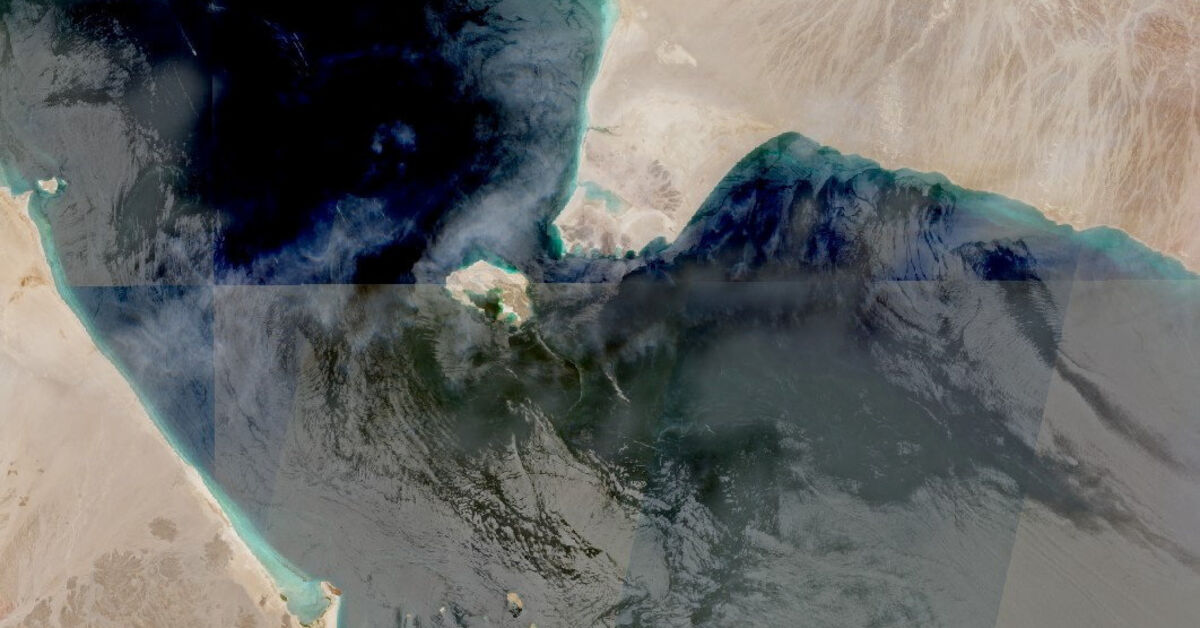
A source close to the Houthis stated the group has already completed preparations to strike shipping. These preparations include the deployment of drones and missiles in the highlands overlooking the Gulf of Aden and Hodeidah, near the Bab el-Mandeb strait. The source added that representatives of Iran's Islamic Revolutionary Guard Corps (IRGC) already stationed in Yemen will control the decision of when to close the strait.
Energy Crisis and Strategic Risks
The threat comes as the Middle East faces a severe energy crisis. The conflict began on February 28, 2026, when the United States and Israel attacked Iran, prompting Tehran to shut the Strait of Hormuz. Before the war, that route carried approximately a fifth of global energy supplies.
Because the Hormuz strait is already closed, any Houthi action in the Red Sea would disrupt the two main oil export routes of the Middle East simultaneously. To compensate for the Hormuz closure, significant amounts of Gulf oil were diverted to the Red Sea via a Saudi pipeline. The Red Sea now carries around 7% of global energy supplies, and Saudi Arabia has diverted 70% of its own energy exports through its port of Yanbu.
Torbjorn Solvedt, principal Middle East analyst with Verisk Maplecroft, stated that a flare-up in the region comes at a bad time.
"If fighting intensifies and spills over into Red Sea export infrastructure and shipping, it will threaten the only major alternative route for oil exports from the region,"
Torbjorn Solvedt, principal Middle East analyst with Verisk Maplecroft, via Reuters
One regional source described the strategy as Iranian thinking
, suggesting clerical rulers aim to pressure the U.S. By increasing the economic cost to the global economy. The source claimed closing the strait would not be difficult, noting that anybody with a firing rifle can interrupt the shipping
without the need for sophisticated missiles.
Escalation in Yemen and Regional Conflict
Tensions have surged between the Houthis and Saudi Arabia, breaking a four-year truce. On Monday, July 14, Houthis fired missiles and drones at Saudi Arabia's Abha International Airport. This followed accusations that Saudi Arabia bombed the Sanaa International Airport earlier that day to prevent a Houthi delegation from returning from the funeral of Iran's Supreme Leader Ayatollah Ali Khamenei.
The Houthis claimed the plane was diverted and landed safely elsewhere. Rashad al-Alimi, leader of Yemen's internationally recognized government, said he rejected Iran's request to return the delegation, accusing the group of operating outside the legal and sovereign frameworks governing civil aviation
. On Tuesday, Houthi military spokesman Brig. Gen. Yahya Saree claimed via Telegram that the group downed a Saudi reconnaissance aircraft in Al Bayda province.
The broader conflict has seen the U.S. Launch a fifth night of attacks on Wednesday, July 15, and reimpose a naval blockade of Iranian ports. Iranian army spokesman Brigadier General Mohammad Akraminia called the Strait of Hormuz a red line
and warned that if President Trump carries out threats against power plants, Iran will strike all remaining infrastructure
across the region.
On Thursday, Iran targeted the Al Azraq Air Base in Jordan and the Ali Al Salem Air Base and a military pier in the Al Shuaiba area of Kuwait. Bahrain's defense ministry reported that its systems intercepted and destroyed Iranian aerial attacks on Thursday.
The U.S. Maintains that Iran provides the Houthis with training, funding, and weapons, often channeled through Hezbollah. Tehran has denied these accusations. Iran views the Houthis as part of its "Axis of Resistance," alongside Iraqi Shi'ite groups and Hezbollah in Lebanon.
The situation remains volatile as the U.S. Attempts to force the reopening of the Strait of Hormuz, while Iranian officials state the only path to reopening the waterway is for the U.S. To comply with a 14-point memorandum of understanding signed in June and follow Iranian regulations for ship traffic.
How significant is this development?
Participate in our community survey on the trajectory and real-world impact of this news.