
“The Medford pharmacy killings, which occurred on June 19, 2011, left four people dead and exposed the growing opioid crisis on Long Island, according to Newsday. David Laffer, who stole opioids instead of cash, was arrested after a manhunt that included a $5,000 reward, as reported by NBC News.”
The Crime and Its Immediate Aftermath
David Laffer, described by neighbors as polite and friendly, entered Haven Drugs in Medford on June 19, 2011, and fatally shot four people, including a pharmacist, a clerk, and Jaime Taccetta, whose fiancé James Manzella later condemned the act. “I have no mercy for that guy,” Manzella told Newsday, criticizing Laffer’s decision to kill rather than steal cash. Laffer, who had been prescribed thousands of painkillers by Dr. Stan Li, a pain management specialist later convicted of illegal prescriptions, fled with opioids instead of money. “He was in and out relatively quickly and just fired the shots and killed people,” said Bridget Brennan, then New York City Special Narcotics Prosecutor, who called the crime “the boldest one that I recall seeing.”
Surveillance and Arrest
Laffer was captured on surveillance footage as a tall, gaunt man wearing a hooded sweatshirt and glasses. His wife, Melinda Brady, drove the getaway car and was later arrested on robbery charges. Suffolk County Police offered a $5,000 reward for information, leading to a manhunt that involved hundreds of tips. NBC News reported that Laffer’s arrest followed a confrontation at his Medford home, where neighbors described him as “distraught” but “polite.”
The Opioid Crisis Context
The killings occurred during a period of escalating opioid abuse, with Dr. Jarid Pachter, an addiction medicine specialist, noting that patients “went to drastic means in order to get prescriptions to not be sick.” Newsday revealed that Laffer’s prescriptions included a “significant” number of oxycodone and hydromorphone, a trend that prompted the creation of New York’s Prescription Drug Investigation Unit in 2011. “This was by far the boldest one that I recall seeing,” Brennan said, linking the crime to broader patterns of pharmaceutical misuse.
Legislative and Community Impact
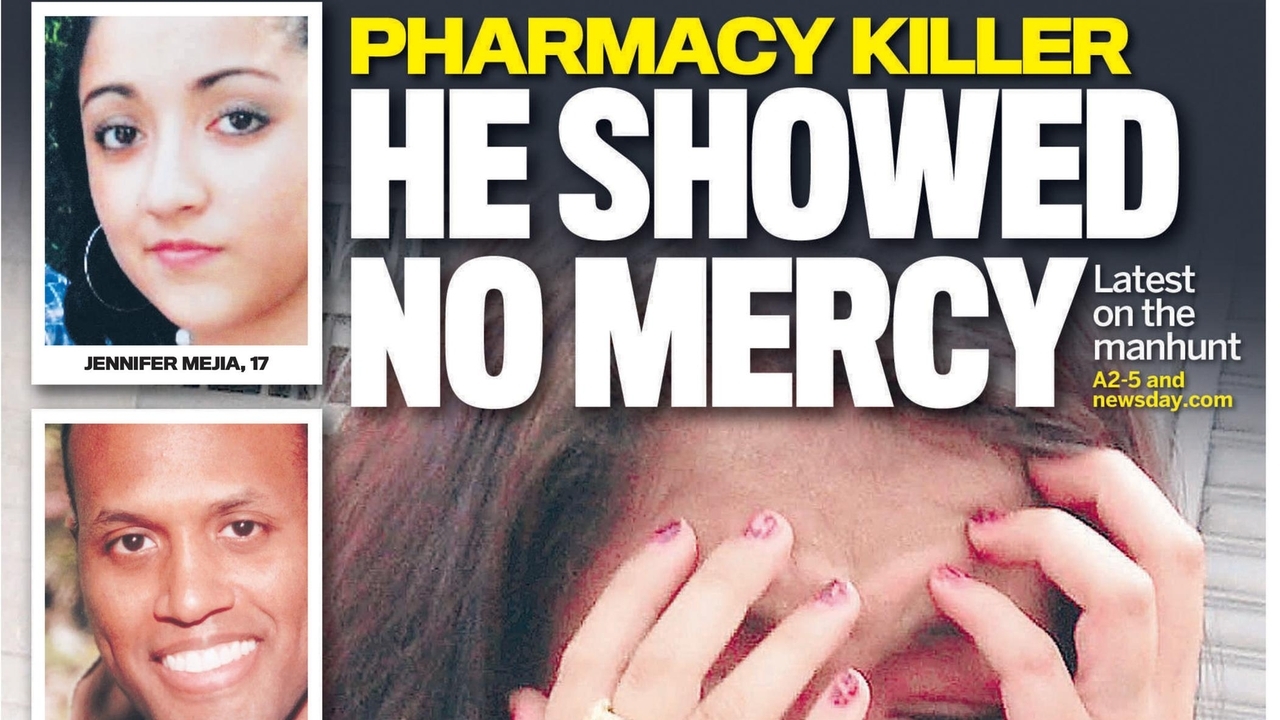
The tragedy spurred tighter restrictions on opioid prescriptions and increased law enforcement efforts. Over the past decade, Long Island overdose deaths have declined, though the 2011 case remains a pivotal moment in the region’s response to the crisis. “It caught a lot of people’s attention and so I’m sure that it helped move some of the efforts to try to get this under control forward,” Brennan added.
Community Reactions and Legal Aftermath
Neighbors like Zaida Ayala, who described Laffer as “a guy that I feel comfortable with,” struggled to reconcile his actions with his public persona. “You could give me a million dollars to pick somebody and he would be the last person I would’ve picked,” Ayala said. Meanwhile, Laffer’s wife, Melinda Brady, faced charges of third-degree robbery and obstruction. Both were arraigned in 2011, with Laffer later serving time in a maximum-security prison.
Legacy and Unanswered Questions
Though the case led to policy changes, questions remain about the role of prescription practices in the killings. Dr. Pachter emphasized that the incident marked a “boiling point” in the opioid crisis, while officials highlighted the need for stricter oversight. “Number of oxycodone and hydromorphone scripts compared to years prior, she said. It was a time when patients cut off from their opioids,” Newsday noted, underscoring the complex interplay between medical practices and criminal behavior.
What Happens Next?
The Medford killings continue to influence discussions about opioid regulation and public safety. While legislative reforms have reduced overdose rates, advocates argue that more must be done to address the root causes of addiction. As New York State grapples with ongoing challenges, the 2011 tragedy serves as a stark reminder of the human cost of the crisis. “This was by far the boldest one that I recall seeing,” Brennan said, a sentiment that resonates 15 years later.
“According to Newsday, the Medford pharmacy killings remain a focal point in Long Island’s efforts to combat the opioid epidemic. NBC News reported that Laffer and his wife are currently incarcerated, with no indication of early release.”
Find more reporting in our Health section.
