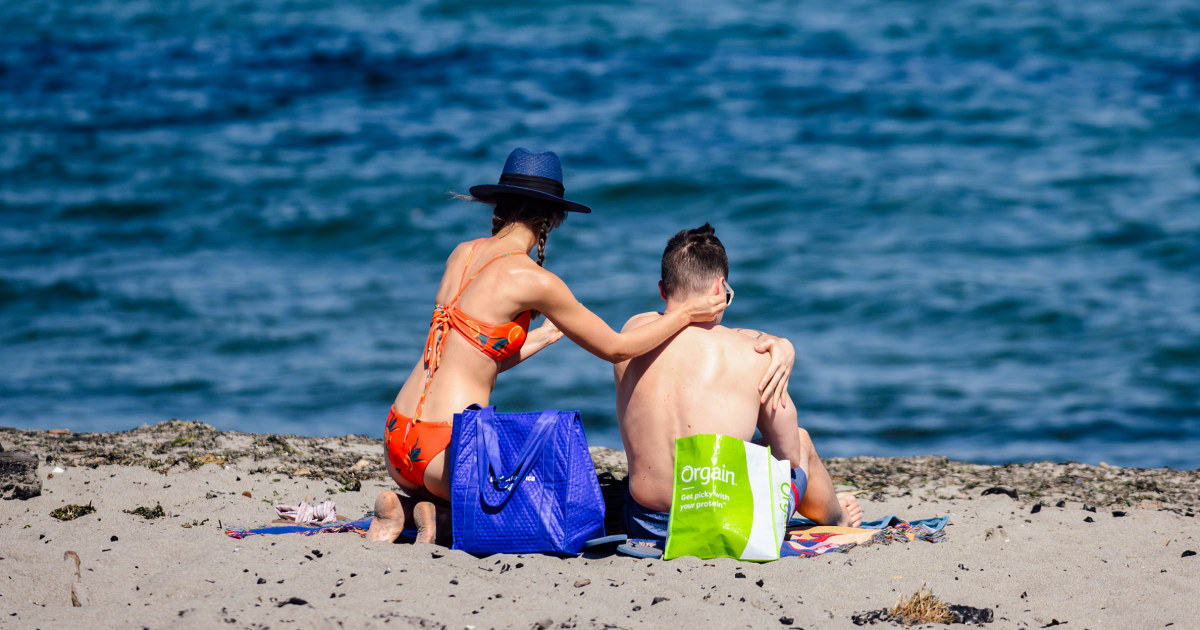
Researchers found that while 87% of TikTok videos about sunscreen promote its use, the most viral posts spread misinformation—claiming the product causes cancer, disrupts hormones, or blocks vitamin D absorption. A University of Alberta study analyzing nearly 1,000 videos with 8.7 billion total views revealed that anti-sunscreen content, though rare, garners far more engagement, with 1.5% of critical posts falsely linking sunscreen to long-term health harm.
Why Misinformation Outperforms Facts on TikTok
The algorithmic bias isn’t accidental. The University of Alberta study, published in PLOS Digital Health, found that videos discouraging sunscreen use received more likes, shares, and comments than those promoting it—despite making up just 6% of the sample. “TikToks which dangerously claim that sunscreen is harmful or unnecessary receive comparatively high levels of audience engagement,” the researchers noted, pointing to a dangerous feedback loop where sensational claims thrive.

Dr. Anthony Rossi, a dermatologist at Memorial Sloan Kettering Cancer Center in New York, confirmed the real-world impact: “I have to spend a good amount of time in my consultation to talk about what actually is the truth: how sunscreen does actually help and how using sunscreen is not going to cause skin cancer or lead you to be vitamin D deficient.” His frustration mirrors a broader trend—dermatologists report Gen Z patients arriving with misconceptions fueled by social media.
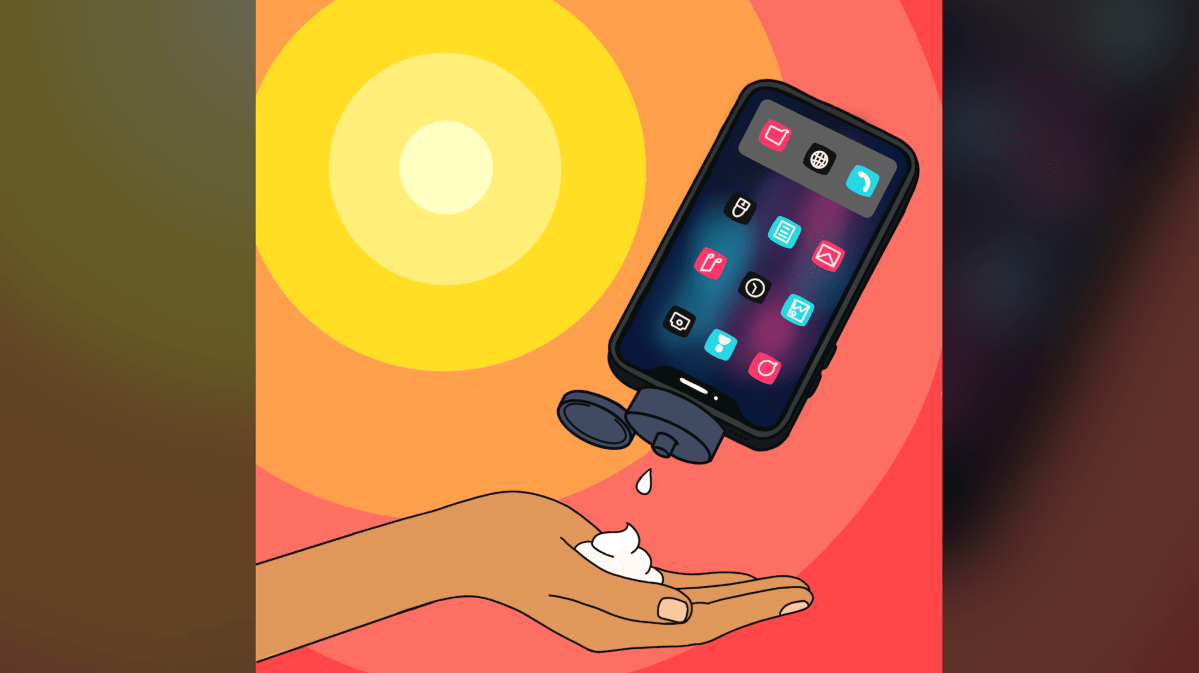
“There were specific mentions that sunscreen has a hormone-disrupting potential, it was cancer-causing, contained carcinogens, it could taint your breast milk or contain microplastics.”
The Independent highlighted how these myths intersect with broader wellness culture, where “clean beauty” influencers dismiss sunscreen as toxic. Cancer Research UK data shows melanoma cases in the UK have hit 20,000 annually—up from 15,000 a decade ago—with 90% of non-melanoma and 86% of melanoma cases preventable through sun protection. Yet the rise of tanning apps and intentional tan-line trends suggests a cultural shift away from caution.
The Science vs. the Algorithm
Dermatologists insist the science is clear: no widely used sunscreen ingredient is proven harmful. Dr. Molly Hales of the University of Chicago emphasized that both chemical and mineral sunscreens undergo FDA safety testing, while Dr. Melanie Palm, a board-certified dermatologist, noted that oxybenzone—often targeted by critics—has seen its use drop from 60% to 13% in U.S. products since 2019 due to public backlash over unfounded health claims.
Yet the algorithm rewards controversy. Popular Science’s analysis of the study found that pro-sunscreen videos often framed it as a beauty product (e.g., preventing wrinkles) rather than a cancer preventative—a gap experts say must be closed. “For many people, especially younger people, photoaging feels more relevant than cancer prevention,” Palm told CNET, adding that dermatologists must “say it [sunscreen can prevent skin cancer] more clearly, and in plain language.”
Who’s Most at Risk?
The danger isn’t just theoretical. A 2025 American Academy of Dermatology survey found that 36% of Gen Zers turn to influencers for skincare advice—yet 64% have encountered sunscreen misinformation online. Dr. Marisa Garshick, an AAD fellow, attributed 95% of this misinformation to social media, where “someone’s favorite influencer showing they laid out in the sun for three hours and got tan lines” becomes more compelling than dermatological consensus.

Cancer Research UK’s Dr. Rachel Orritt warned that UV damage is cumulative, with risks rising as people age. “Just a sign of the fact that some of that sun damage that is affecting us really does start when we’re children,” she said, underscoring how early exposure compounds over decades. The UK’s All-Party Parliamentary Group on Beauty, Hair, and Wellbeing called the trend a “preventable crisis,” urging a national UV safety strategy.
What Happens Next?
Platforms face pressure to act. TikTok has yet to respond to these findings, but the study’s authors urge algorithmic adjustments to deprioritize misinformation. Meanwhile, dermatologists are doubling down on education—though they acknowledge the uphill battle. “I think that is what makes this social media situation so concerning, because this is where a lot of these teenagers are finding their information,” Dr. Garshick said.
The stakes are clear: without intervention, the viral spread of sunscreen myths could reverse decades of progress in skin cancer prevention. As Dr. Rossi put it: “There have been numerous studies that show even with regular daily use of sunscreen, you do not become vitamin D deficient.” Yet on TikTok, the myth persists—and the algorithm ensures it keeps spreading.
For readers concerned about sun safety: Consult the American Academy of Dermatology’s sun safety guidelines or the UK’s Preventable Crisis report for verified information.
Find more reporting in our Health section.
