
A landmark study published June 17 in the European Heart Journal identifies eight common food preservatives linked to higher risks of hypertension and cardiovascular disease, based on an eight-year analysis of 112,395 French adults. Researchers say the findings demand a regulatory re-evaluation of additive safety standards.
Eight Additives Linked to Heart Risks in Largest-Ever Study
The study, led by Dr. Mathilde Touvier of France’s National Institute for Health and Medical Research (Inserm), analyzed dietary data from the NutriNet-Santé cohort to pinpoint which preservatives correlated with poorer cardiovascular outcomes. According to Gizmodo, the eight additives—potassium sorbate, potassium metabisulphite, sodium nitrite, ascorbic acid, sodium ascorbate, sodium erythorbate, citric acid, and rosemary extracts—were associated with a 22% to 29% higher risk of hypertension depending on intake levels. Ascorbic acid additionally correlated with increased cardiovascular disease risk.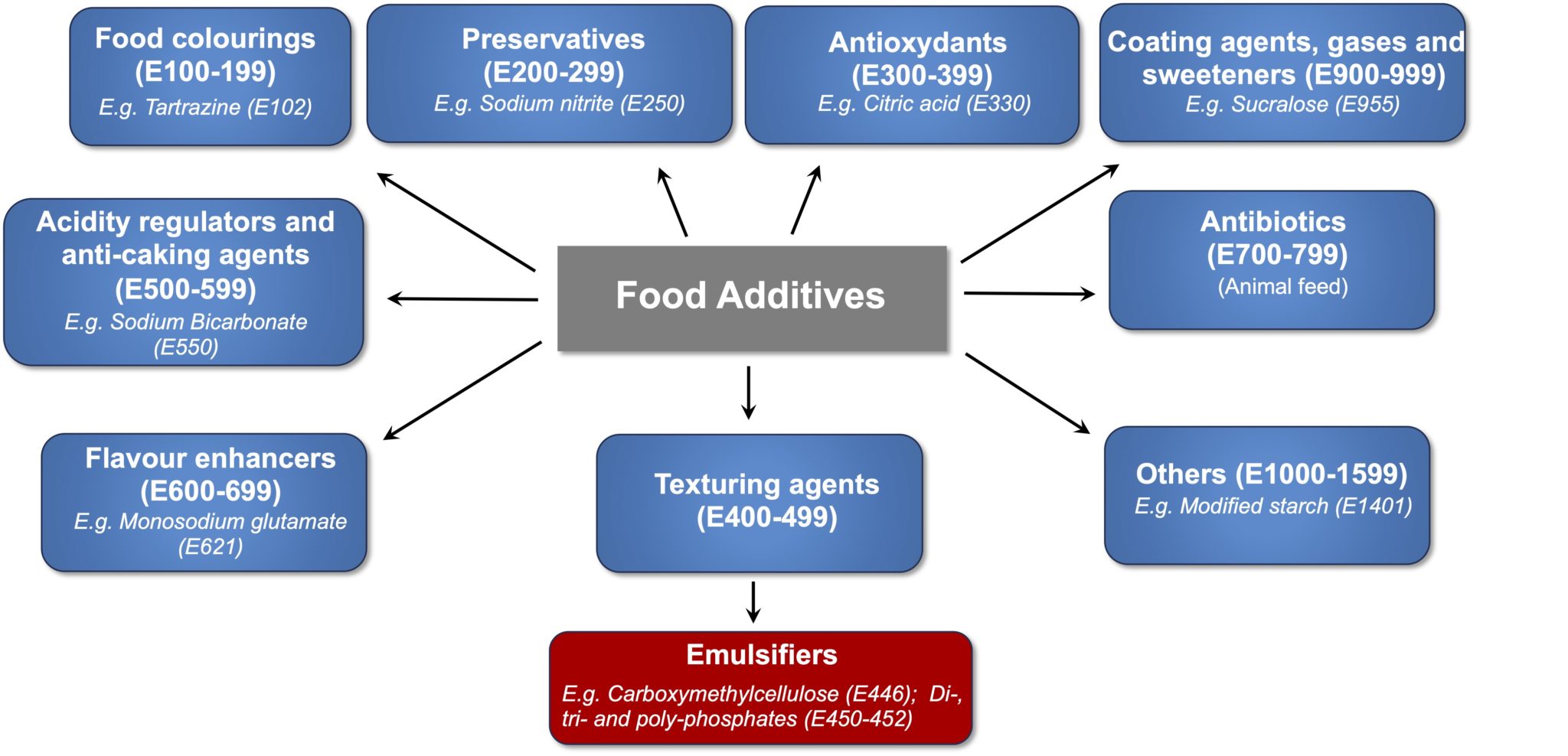
“This study has some limitations inherent to its observational design. However, the findings are based on highly detailed data, and we have taken account of other factors that can increase or lower the risk of cardiovascular disease.”
Dr.
How the Study Worked: Tracking Additives in 112,395 Diets
Participants in the NutriNet-Santé study reported their food intake every six months for up to eight years, with researchers cross-referencing these records against medical outcomes. Both Gizmodo and ScienceDaily confirm the study’s key findings:- 99.5% of participants consumed at least one preservative within the first two years.
- Those with the highest intake of non-antioxidant preservatives faced a 29% higher hypertension risk and 16% higher cardiovascular risk.
- Antioxidant preservatives were linked to a 22% higher hypertension risk.
- Eight specific additives showed consistent links to hypertension, with ascorbic acid also tied to cardiovascular disease.
What This Means for Food Regulations
The findings directly challenge current safety standards for food additives, which are primarily based on animal studies and short-term toxicity tests. The European Food Safety Authority (EFSA) and U.S. Food and Drug Administration (FDA) classify these additives as “generally recognized as safe” (GRAS), but the new study suggests their long-term cardiovascular impacts may have been overlooked.
“If confirmed, these new data call for the re-evaluation of regulations governing the use of these additives to improve consumer protection.”
Regulatory bodies typically require “substantial evidence” of harm before restricting additives. This study’s observational design—while robust—cannot prove causation, but the consistency of results across 112,000 people strengthens the case for further investigation. The study authors explicitly call for randomized controlled trials to confirm these links.For more on this story, see Oncologist Warns: Low-Protein Breakfast Boosts Cancer Risk by 18%.
Which Foods Contain These Additives?
The eight high-risk additives appear in a wide range of processed foods, according to the study’s data. Key sources include:- Potassium sorbate (E202): Dairy products, wines, baked goods, and dressings
- Potassium metabisulphite (E224): Dried fruits, processed meats, and beverages
- Sodium nitrite (E250): Cured meats (bacon, hot dogs, deli ham)
- Ascorbic acid (vitamin C, E300): Juices, canned fruits, and processed snacks
- Citric acid (E330): Soft drinks, candies, and preserved vegetables
What Happens Next?
The study’s publication coincides with growing public skepticism toward food additives. In 2023, the European Commission proposed stricter labeling rules for “highly processed” foods, and consumer groups have long advocated for reduced additive use. However, regulatory action will depend on:- Independent verification: Other research teams must replicate these findings before regulators act.
- Industry response: Food manufacturers may resist changes that increase costs or alter product formulations.
- Public pressure: Consumer demand for additive-free foods could accelerate policy shifts.
- Legal thresholds: Regulators must determine whether the observed risks justify stricter limits.
What This Means for Your Diet
While the study does not prove causation, the correlations are strong enough to warrant caution. Key takeaways:
- Check labels: Look for additives with “E-numbers” (e.g., E202, E250) in processed foods.
- Prioritize whole foods: Fresh fruits, vegetables, and unprocessed meats naturally lack these preservatives.
- Limit cured meats: Sodium nitrite (E250) is common in bacon, sausages, and deli meats.
- Watch beverages: Citric acid (E330) appears in sodas, juices, and bottled drinks.
“This study has some limitations inherent to its observational design. However, the findings are based on highly detailed data, and we have taken account of other factors that can increase or lower the risk of cardiovascular disease.”
Dr.
Find more reporting in our Health section.
