China Eases Chip Export Ban in US-China Trade Deal
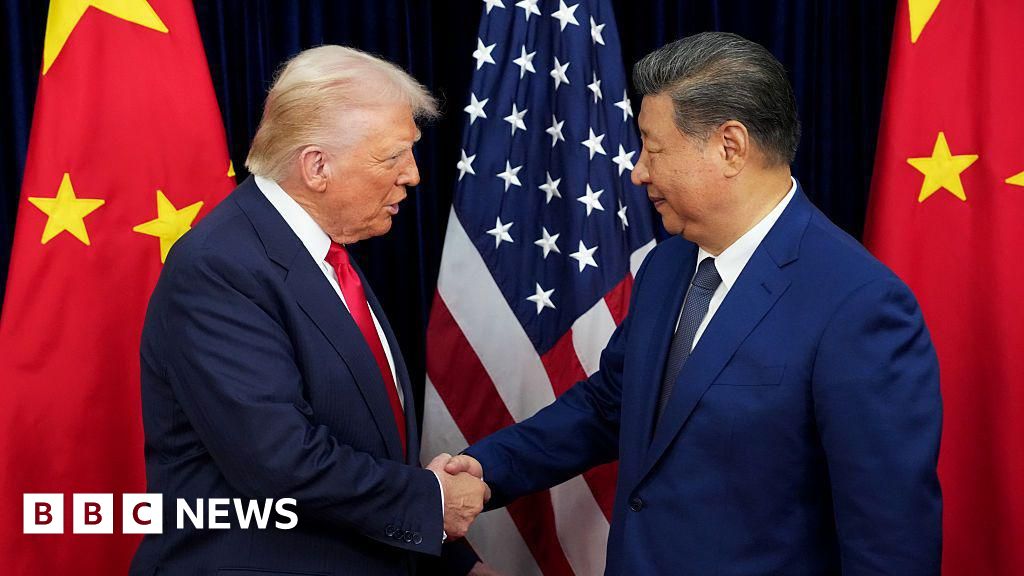
China has announced it will begin easing restrictions on the export of automotive computer chips, a move that could help stabilize global supply chains and ease production bottlenecks for automakers worldwide. The decision, confirmed by the White House, is part of a broader trade agreement reached between the United States and China following high-level talks between President Xi Jinping and President Donald Trump in South Korea.
Resumption of Critical Chip Exports
The deal specifically addresses the export of legacy chips produced by Nexperia, a semiconductor company with significant manufacturing operations in China. Nexperia, which is Chinese-owned but headquartered in the Netherlands, supplies a substantial portion of the world’s automotive chips. About 70% of Nexperia’s chips made in Europe are sent to China for final processing before being re-exported globally. The White House fact sheet states that China will “take appropriate measures to ensure the resumption of trade from Nexperia’s facilities in China,” allowing the flow of these critical chips to resume.
Impact on Global Automotive Industry
The easing of export restrictions comes after warnings from major automakers, including Volvo Cars, Volkswagen, and Jaguar Land Rover, that shortages of these chips could lead to temporary plant shutdowns and disrupt vehicle production. The automotive sector has been particularly vulnerable to supply chain disruptions, and the resumption of chip exports is expected to alleviate some of the pressure on manufacturers.
Broader Trade Agreement Details
In addition to the chip export deal, the agreement includes commitments on other key issues. China will pause export controls on rare earth minerals for one year, which are essential for the production of cars, planes, and defense equipment. The United States will lower tariffs on the import of fentanyl, a synthetic opioid, with China agreeing to take “significant measures” to address the issue. Fentanyl and its precursor chemicals, many of which are sourced from China, have been a major concern in the US due to their role in the opioid crisis.
US Soybean Exports and Farmer Support
The deal also covers US soybean exports, with China committing to purchase 12 million tonnes in the last two months of 2025 and 25 million metric tonnes annually for the next three years. This level of purchase is roughly equivalent to pre-trade war volumes. The decision to resume soybean purchases follows a period when China halted imports, impacting American farmers who rely on the Chinese market. In response, the US government has revived a farmer bailout program similar to one implemented during Trump’s first term.
Expert Analysis and Industry Impact
According to industry analysts, the easing of chip export restrictions is a significant step toward de-escalating the trade war between the US and China. The move is expected to have a positive impact on global supply chains and could help restore confidence among businesses that have been affected by the ongoing trade tensions. However, some experts caution that the long-term reliability of China as a trade partner remains a concern, as highlighted by Treasury Secretary Scott Bessent’s comments to CNN: “We don’t want to decouple from China… (But) they’ve shown themselves to be an unreliable partner.”
Regulatory and Policy Context
The trade deal comes at a time of increasing global focus on digital regulation and supply chain security. The European Union’s Artificial Intelligence Act, which came into force in August 2024, underscores the importance of harmonized rules on technology and data regulation [ec.europa.eu](https://ec.europa.eu/commission/presscorner/detail/en/ip_24_4123). As countries navigate the complexities of global trade and technological innovation, agreements like this one highlight the need for balanced policies that promote openness and trust while addressing security and economic concerns.
Next Steps and Ongoing Challenges
While the immediate impact of the trade deal is positive, ongoing challenges remain. The global semiconductor industry continues to face supply chain vulnerabilities, and the reliability of trade partners will be closely monitored. For automakers and other industries dependent on these chips, the resumption of exports is a welcome development, but long-term solutions will require continued collaboration and regulatory oversight.
Read more on Globally Pulse Technology for in-depth coverage of global innovation trends and digital policy developments.
