Airline Baggage Fees Rise as Fuel Costs Surge
U.S. airlines are responding to sustained increases in jet fuel prices by increasing checked baggage fees, a move that reflects broader economic pressures and a return to strategies seen during previous energy price spikes. JetBlue initiated the trend, raising fees by as much as $9, and United Airlines has followed suit with a $10 increase, signaling a potential industry-wide shift. These increases are a direct consequence of the ongoing conflict in the Middle East, which has disrupted global oil supplies and driven up fuel costs, accounting for as much as 25-30% of airline operating expenses, according to industry analysts.
The Fuel Price Catalyst
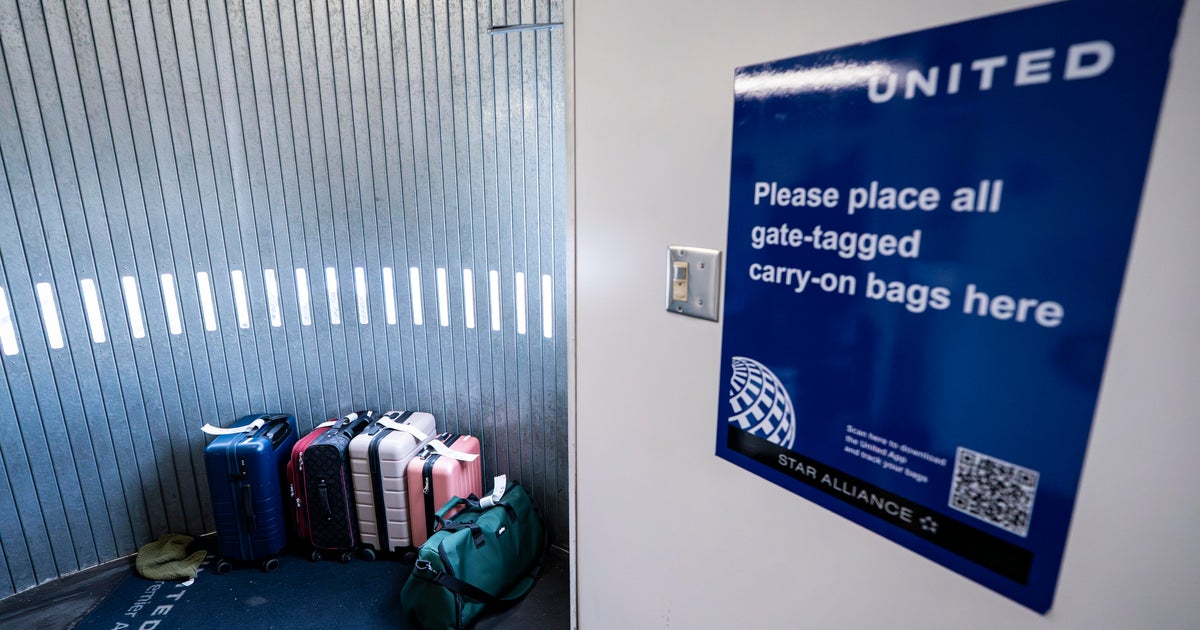
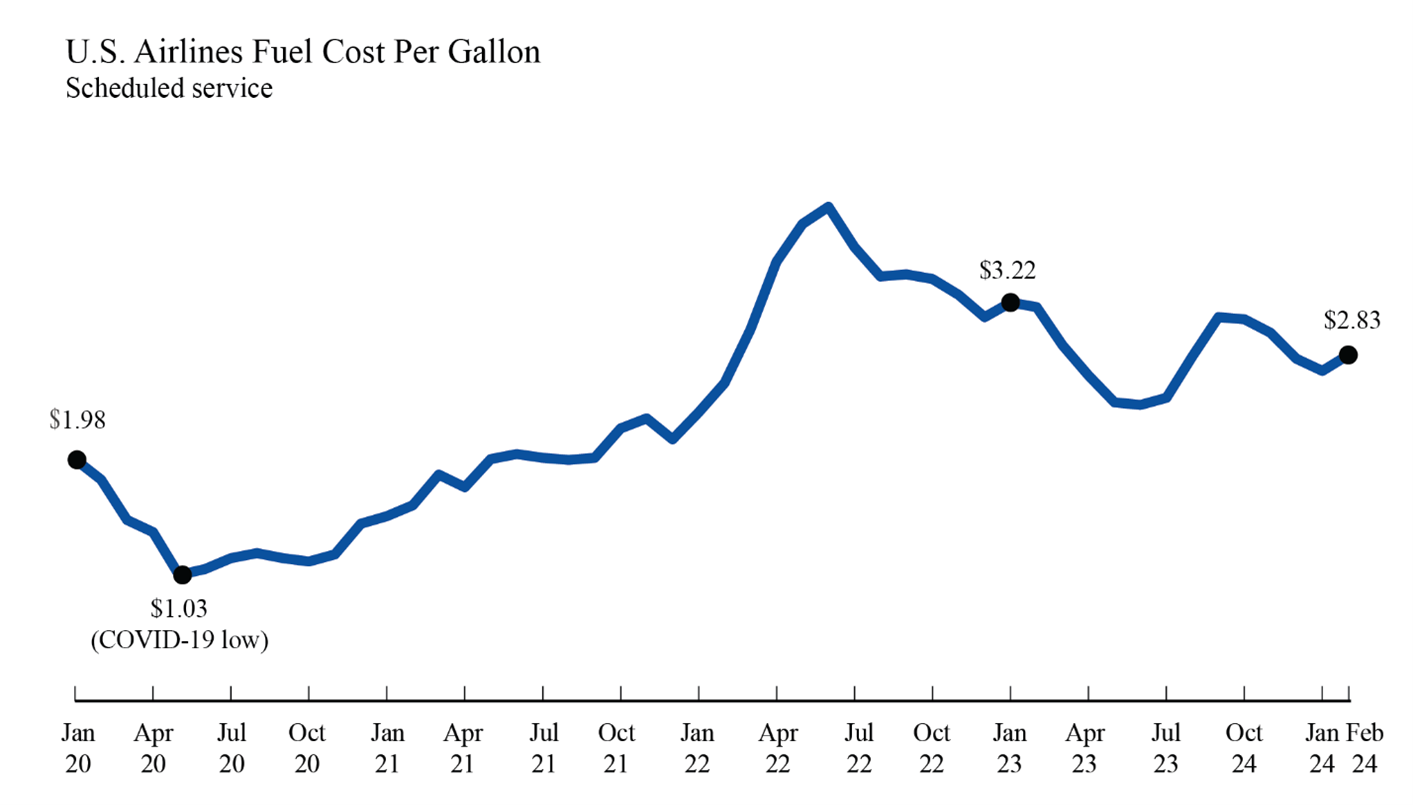
The recent escalation in baggage fees began in late March 2026, with JetBlue leading the charge. As of April 1st, a first checked bag now costs $39 on most domestic economy flights, up from $35. During peak travel periods – including spring break, holidays, and summer – the fee jumps to $49, a $9 increase from the previous $40. United Airlines mirrored this move, increasing its standard checked bag fee to $40 and peak season fees to $50. The surge in jet fuel prices, exceeding 85% since February 28th due to the war in Iran and subsequent disruptions to shipping through the Strait of Hormuz, is the primary driver. Airspace closures in parts of the Middle East have further exacerbated the situation, forcing airlines to take longer, more fuel-intensive routes. Reuters reports that the average price for a gallon of jet fuel reached $4.64 in early April, a significant jump from $2.50 before the conflict.
Industry Response and Ancillary Revenue Strategies
While JetBlue and United were the first to explicitly tie baggage fee increases to fuel costs, the broader airline industry has been increasingly reliant on ancillary revenue – fees for services beyond the base fare – to bolster profitability. According to a recent report by Bloomberg Tech, ancillary revenue, which includes baggage fees, seat selection, and onboard amenities, now accounts for a substantial portion of airline profits. This strategy allows airlines to present lower base fares while generating revenue from optional services. However, it also contributes to a more complex and often frustrating experience for passengers.
Technological Implications and Revenue Management
The implementation of dynamic baggage fees – varying prices based on demand, time of purchase, and travel dates – relies heavily on sophisticated revenue management systems. These systems utilize algorithms and machine learning to predict demand and optimize pricing in real-time. Airlines are leveraging data analytics to identify passengers most willing to pay for checked baggage and adjust fees accordingly. This approach is similar to the dynamic pricing models used by ride-sharing services and hotels. The ability to accurately forecast demand and optimize pricing is crucial for maximizing revenue in a volatile fuel market. Furthermore, the increased reliance on digital channels for booking and baggage fee payment necessitates robust cybersecurity measures to protect passenger data and prevent fraud. Airlines are investing in technologies like blockchain to enhance transparency and security in baggage tracking and fee processing, though widespread adoption remains limited.
Impact on Passengers and Potential Alternatives
The rising cost of checked baggage is prompting travelers to seek alternatives, such as shipping luggage ahead of time or utilizing carry-on bags. Shipping services like FedEx and UPS offer competitive rates for luggage transport, particularly for longer trips. However, this option requires careful planning and may not be suitable for all travelers. The Washington Post recently published packing hacks aimed at maximizing carry-on allowance, but these strategies have limitations, especially for families or those traveling with bulky items. Loyalty program members and holders of airline-branded credit cards typically retain free checked baggage privileges, highlighting the value of these programs in mitigating the impact of fee increases. Read more on Globally Pulse Technology for deeper insights into airline loyalty programs and their technological underpinnings.
Future Outlook and Regulatory Considerations
Industry analysts anticipate that other U.S. carriers will likely follow JetBlue and United in raising baggage fees, as the pressure from high fuel costs persists. The long-term outlook depends on geopolitical stability and the trajectory of oil prices. There is also growing scrutiny from regulators regarding airline fees and transparency. The Department of Transportation has been investigating airline practices related to baggage fees and is considering measures to enhance consumer protection. The increasing complexity of airline pricing models raises concerns about potential deceptive practices and the need for greater clarity in fee disclosures. The debate over ancillary revenue and its impact on passenger experience is likely to continue as airlines navigate the challenges of a dynamic and competitive market.
