West Coast Main Line Easter Disruption: A Technology and Infrastructure Perspective
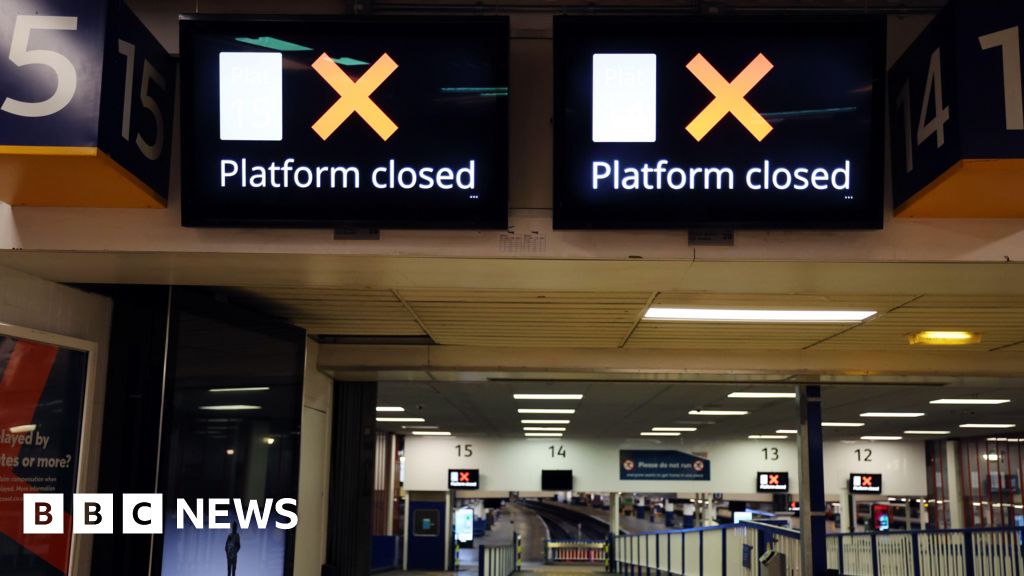
A six-day closure of the West Coast Main Line (WCML) over the Easter period, commencing April 3rd and concluding April 8th, will significantly disrupt rail travel between London Euston and Milton Keynes. While commonly framed as a travel inconvenience, the planned engineering works represent a crucial, if disruptive, upgrade to aging infrastructure and increasingly highlight the technological challenges facing Britain’s railway network. According to the BBC, the disruption is necessary for a £400 million project intended to boost the reliability of Europe’s busiest mixed-use railway.
The Scope of the Upgrades: Beyond Track Replacement
The works extend far beyond simple track replacement. Network Rail plans include laying new track at Willesden, upgrades to Harrow and Wealdstone station, and waterproofing a bridge in Ledburn, Buckinghamshire. Crucially, a significant portion of the investment – over £8 million – is slated for renewing overhead line equipment near Wembley, and £2 million for upgrading the power supply in Bushey. These aren’t merely cosmetic improvements; they address fundamental limitations in the existing infrastructure’s ability to support modern rail demands. The increasing reliance on digital signalling systems and more powerful locomotives requires a commensurate upgrade to the power distribution network.
The signalling upgrades, totaling over £7 million, are particularly noteworthy. Modern signalling systems, such as the European Train Control System (ETCS), rely on advanced communication and data processing to enhance safety and efficiency. According to Rail Engineer, ETCS, which is being rolled out across the UK network, offers continuous supervision of train movements, automatic train protection, and improved capacity. The current upgrades will pave the way for wider ETCS implementation on the WCML, as well as improve the reliability of existing systems.
The Technological Debt of Rail Infrastructure
The WCML, often described as Britain’s “economic backbone,” is grappling with significant technological debt – the implied cost of rework caused by choosing easy solutions now instead of better approaches that take longer. The line’s original construction dates back to the Victorian era, and subsequent upgrades have often been piecemeal, resulting in a patchwork of systems with varying levels of sophistication. This creates interoperability challenges and limits the potential for optimization. The £400 million investment is a necessary, though substantial, step towards addressing this debt.
Impact on Logistics and Freight
While passenger disruption receives the most media attention, the impact on freight transport is substantial. The WCML is a critical artery for moving goods throughout the UK, and the six-day closure will necessitate rerouting and potential delays. This highlights the growing importance of resilient supply chains and the vulnerability of relying on aging infrastructure. The use of real-time tracking and predictive maintenance technologies, as explored in recent reports by McKinsey & Company, is becoming increasingly critical for mitigating these risks and optimizing freight operations.
Digital Twins and Predictive Maintenance
Network Rail is increasingly exploring the use of digital twin technology – virtual replicas of physical assets – to simulate different scenarios and optimize maintenance schedules. These digital twins, fed with real-time data from sensors embedded in the infrastructure, can help predict potential failures and proactively address them before they cause disruption. The current upgrades provide an opportunity to integrate these sensors and build more comprehensive digital twins of the WCML, enhancing long-term reliability and reducing future disruptions. The application of machine learning algorithms to this data could further refine predictive maintenance strategies, reducing costs and minimizing downtime.
Looking Ahead: The Role of AI in Rail Management
The Easter disruption underscores a broader trend: the increasing reliance on technology to manage and maintain complex infrastructure. Beyond digital twins and predictive maintenance, artificial intelligence (AI) is poised to play a transformative role in rail operations. AI-powered systems can optimize train scheduling, improve energy efficiency, and enhance safety through automated anomaly detection. According to a recent whitepaper by Siemens Mobility, AI can also be used to personalize passenger information and improve the overall travel experience. Read more on Globally Pulse Technology about the future of AI in transport.
The current WCML upgrades represent not just a short-term inconvenience, but a crucial investment in the long-term resilience and efficiency of Britain’s rail network. The integration of advanced technologies, such as ETCS, digital twins, and AI, will be essential for addressing the challenges of aging infrastructure and meeting the growing demands of a modern economy.
