Global Implications of Political Shifts Ahead of Critical Diplomatic Engagements
The geopolitical landscape continues to experience significant shifts, highlighted by recent domestic political events in the United States and ongoing international efforts to address global challenges. These internal dynamics can have ripple effects on foreign policy positions, international alliances, and the global diplomatic agenda.
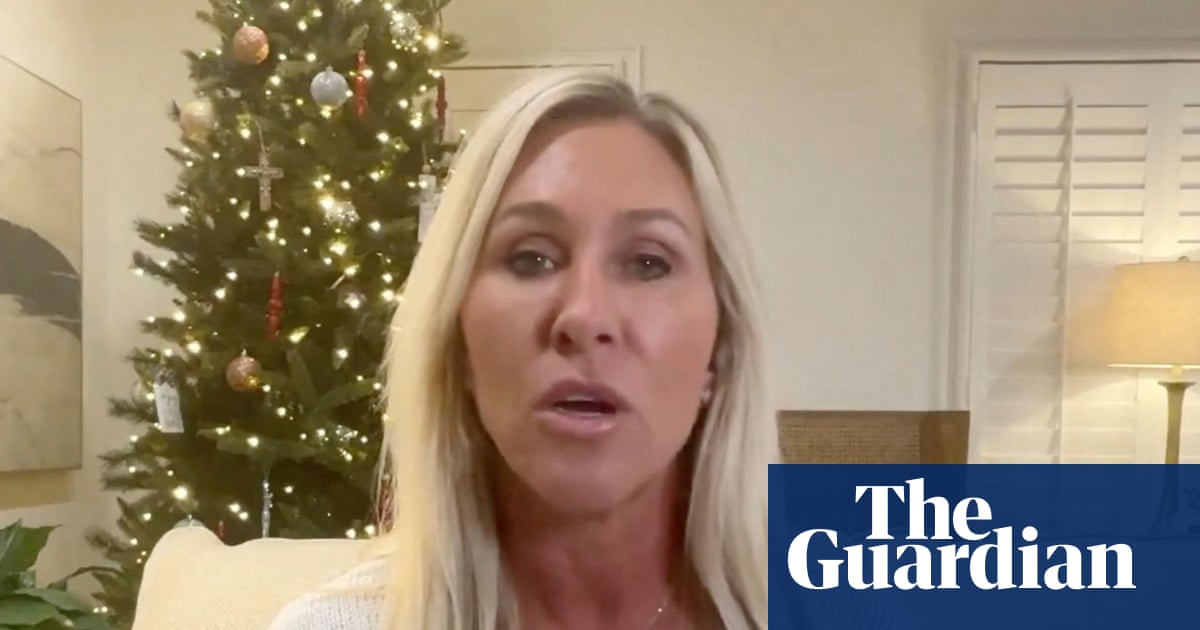
In a notable development, the surprise resignation of U.S. Representative Marjorie Taylor Greene sent ripples through American political circles, drawing varied reactions from criticism to praise across the political spectrum. This internal political maneuver occurred as the United Nations finalized a historic pandemic agreement and international talks aimed at resolving the conflict in Ukraine continued to face complexities.
Her former political adversary, Democratic Congresswoman Alexandria Ocasio-Cortez, criticized Greene’s voting record on healthcare, suggesting that her departure was strategically timed after her pension eligibility. Ocasio-Cortez observed that “she’s carefully timing her departure just 1-2 days after her pension kicks in,” adding that “her actions have not backed up the rhetoric. For all her talk, she’s still voting with them to gut healthcare.” This statement underscores the deep partisan divisions characterizing U.S. domestic policy debates, which often influence Washington’s capacity to engage cohesively on global issues. Greene had previously supported cuts to Medicaid and reductions in Affordable Care Act tax credits, only to later express concerns as premiums increased.
Conversely, Republican Congressman Thomas Massie of Kentucky, known for his independent stances, expressed his regret, stating on X (formerly Twitter) that he was “very sad for our country but so happy for my friend Marjorie. I’ll miss her tremendously.” This divergence of reactions illustrates the fragmentation within the U.S. political establishment.
Donald Trump, whose relationship with Greene had recently seen a public fallout, hinted at a potential future political career for her. Speaking to NBC News, Trump stated, “It’s not going to be easy for her” to revive her career in politics, but added, “I’d love to see that. In the meantime, she’s got to take a little rest.” Such statements from prominent figures can influence public perception and future political trajectories, a critical aspect given the U.S. role in international affairs.
International Diplomatic Landscape Amidst Domestic Pressures
These internal political developments coincide with a period of intense global diplomatic activity. On April 16, 2025, countries finalized a draft global agreement aimed at improving pandemic preparedness and response, a significant achievement after three years of negotiations. This draft, set to be submitted to the World Health Assembly in May for adoption, represents a pivotal step in global health governance, as detailed by the [un.org](https://www.un.org/en/countries-finalize-historic-pandemic-agreement-after-three-years-negotiations). The ability of nations to collaborate on such cross-border challenges is often impacted by their internal political stability and focus.
Meanwhile, diplomatic efforts to address the conflict in Ukraine continue to be fraught with challenges. Reuters reported on April 25, 2025, that Ukrainian and European officials expressed reservations about certain U.S. proposals regarding an end to the war, leading to counterproposals on critical issues ranging from territorial integrity to sanctions. This underscores the complexities of multi-lateral negotiations, where differing national interests and internal political pressures can impede progress, as discussed in a Reuters exclusive. Despite early negotiation attempts in March 2022, a resolution remains elusive, with observers noting the historical missed opportunities for peace, according to an analysis in Foreign Affairs.
The situation in the Middle East also remains a critical focal point for international diplomacy. The outgoing UN Special Coordinator for the Middle East Peace Process, Tor Wennesland, stated in an interview with UN News on July 24, 2025, that the war in Gaza represents “the biggest stress test” the UN has faced in its efforts for peace. Wennesland remarked, “we are at the point where diplomacy has failed in the situation where the geopolitics is superbly difficult.” His comments highlight the profound challenges facing diplomatic solutions in highly contested regions. This context emphasizes the broader international environment in which U.S. domestic political shifts are occurring.
Furthermore, the recent COP29 climate summit in Baku, Azerbaijan, concluded with a deal on climate finance after tense negotiations. Though a target of $300 billion annually by 2035 was set, many developing nations deemed this amount insufficient. These climate finance discussions are critical for global sustainability and demonstrate the ongoing need for international consensus and resource allocation amidst various global crises.
The interplay between domestic political developments inside key global players like the United States and the progress of international diplomacy remains a constant factor in shaping the global order. The ability of major powers to project stable and consistent foreign policy is often contingent on their internal political cohesion, influencing everything from peace agreements to global health initiatives and climate action.
