
Trump Defends Iran War Strategy, Offers No Clear Exit Timeline
Washington D.C. – President Donald Trump delivered a primetime address Wednesday seeking to justify the ongoing military conflict with Iran, now entering its second month, but offered few new details regarding an end to hostilities. The speech, described by analysts as largely a reiteration of previous statements, underscores a lack of clear strategic objectives and fuels concerns about the escalating tensions in the region, which have already sent shockwaves through global energy markets. The conflict’s continuation poses a significant risk to regional stability and international trade routes.
Justification and Military Claims
President Trump framed the war as necessary for the security of the United States and its allies, alleging that Iran posed an imminent threat through its nuclear program and destabilizing regional activities. He claimed the U.S. military had made significant gains, stating that Iran’s navy and air force had been largely neutralized and its ballistic missile capabilities crippled. According to Reuters, Trump asserted the U.S. was “nearing completion” of its objectives, though he did not elaborate on specific benchmarks for success. This assessment contrasts with independent analyses suggesting the conflict is far from conclusive.
Economic Implications and the Strait of Hormuz
A central point of contention remains the Strait of Hormuz, a critical waterway for global oil supplies. Trump indicated the U.S. would not take responsibility for securing the strait, instead calling on countries reliant on Gulf oil to bear the burden. This stance has drawn criticism from Western allies who have resisted direct involvement in the conflict, initiated by the U.S. and Israel without prior consultation. Analysts warn that Iran’s potential control over the Strait of Hormuz provides significant leverage, posing a severe threat to the global energy supply and potentially triggering a wider economic crisis. As NBC News reported, the prospect of continued disruption to oil flows is a major concern for global markets.
Domestic Political Context and Shifting Justifications
The address comes as President Trump faces growing domestic opposition to the war, with his approval ratings declining amid concerns about its cost and lack of clear objectives. The speech can be seen as an attempt to rally public support and address the confusion surrounding the administration’s evolving justifications for the conflict. Initially focused on preventing Iran from acquiring nuclear weapons, the rationale has broadened to include accusations of regional destabilization and support for terrorist groups. According to reports from Al Jazeera, analysts noted a lack of novelty in the President’s arguments, describing the speech as a “repetition of everything that he had said in the past.”
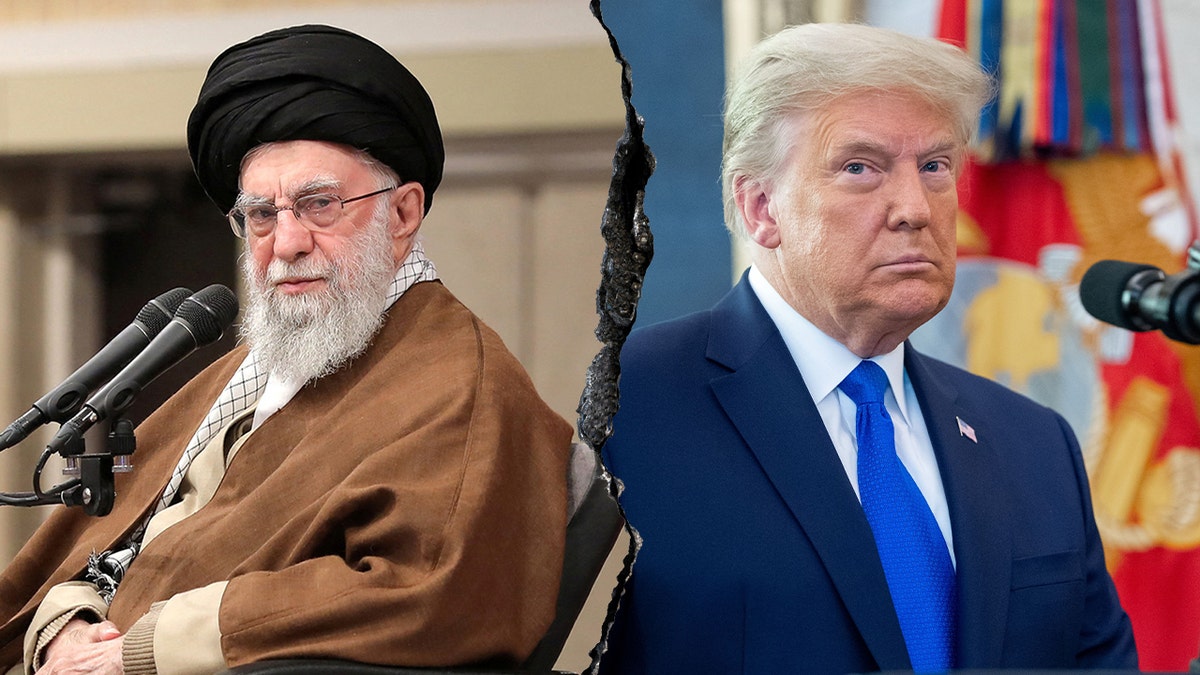
Lack of Defined Endgame and International Reactions
Notably absent from the President’s address was a definitive timeline for ending the conflict. While Trump suggested the U.S. could achieve its objectives “very shortly,” he also indicated that further military strikes were planned over the next two to three weeks. This ambiguity, coupled with the use of escalatory rhetoric, has raised concerns among international observers. The address also softened Trump’s previous criticism of NATO allies, but did not indicate a willingness to engage in broader diplomatic efforts to de-escalate the crisis. According to PBS, the speech lacked substantive details and failed to address key concerns about the war’s long-term implications. The United Nations has repeatedly called for de-escalation and a return to diplomatic solutions, but these calls have largely been ignored.
Five Objectives and Potential Exit Strategy
President Trump outlined five objectives for the conflict: dismantling Iran’s nuclear program, preventing the development of ballistic missiles, curbing regional aggression, protecting U.S. allies, and ensuring Iran never attains nuclear capability. He hinted at a potential exit strategy, suggesting the U.S. could “leave pretty quickly” and return if necessary, but this statement lacked clarity and appeared contingent on Iran’s actions. This approach mirrors previous statements and doesn’t signal a fundamental shift in policy. The continued uncertainty surrounding the war’s trajectory underscores the complex geopolitical challenges facing the region and the potential for further escalation. For more background on US-Iran relations, see the Council on Foreign Relations website.
