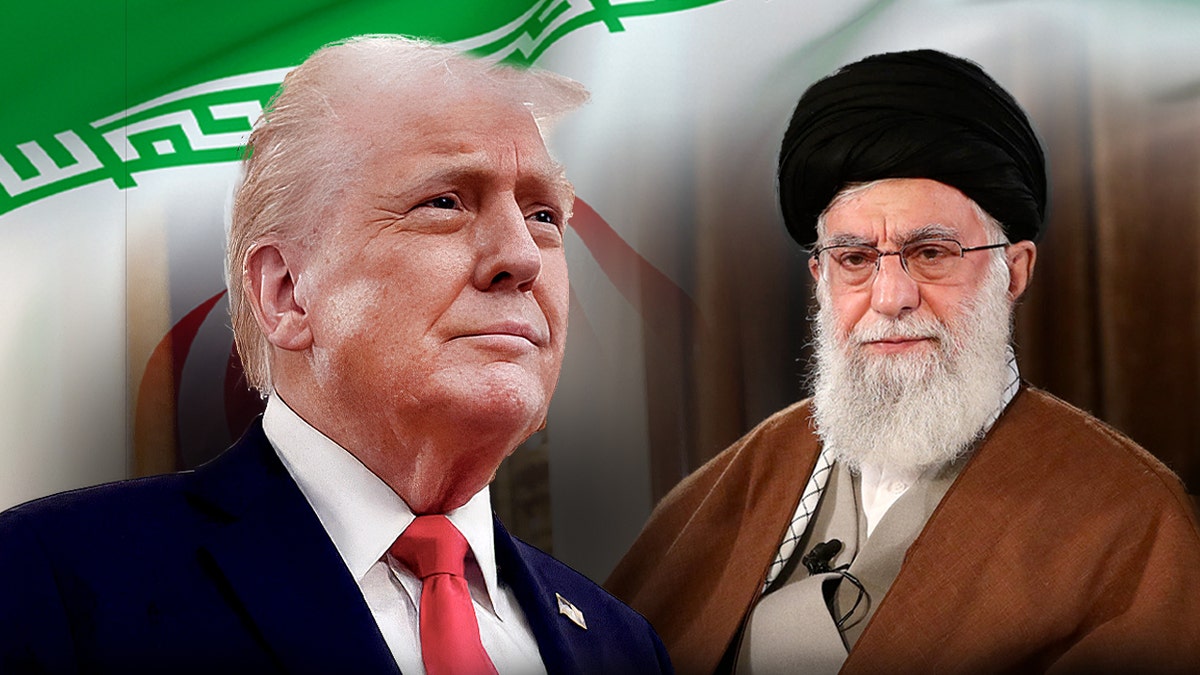
Markets React to Escalating Iran Conflict
Global markets are responding with volatility to escalating tensions in the Middle East, spurred by President Donald Trump’s vow to continue aggressive strikes against Iran. The South African rand experienced a significant drop, falling more than 1% in early trade on Thursday, reflecting investor anxieties, according to Reuters. Broader market sentiment soured, impacting key currencies as risk aversion increased following President Trump’s address.
Oil Prices Surge Amidst Geopolitical Uncertainty
The conflict is having a pronounced effect on energy markets. Oil prices have surged, reaching $110 per barrel on Friday, as Iran has demonstrated its capacity to disrupt the global economy, even while facing a militarily superior opponent, The Washington Post reported. This creates a complex dilemma for President Trump, balancing domestic political pressure with the potential for wider economic consequences.
Dollar’s Role and Shifting Global Dynamics
The escalating conflict is also prompting a reassessment of the dollar’s dominance in global finance. Trump’s actions, coupled with existing concerns about U.S. foreign policy, are contributing to a perceived drift away from the dollar as the world’s reserve currency. The Guardian noted that the aggression feeds a sense that the U.S. is operating outside global norms, further accelerating this trend. This shift is particularly evident in the energy sector, where discussions about alternative currencies for oil transactions are gaining traction.

Investor Sentiment and Market Adjustments
Initial investor optimism surrounding potential de-escalation following President Trump’s earlier comments has waned, leading to a more cautious market outlook. U.S. News & World Report highlights how markets responded to the perceived delay in strikes, indicating a growing recognition of the conflict’s protracted nature. This recalibration is reflected in asset allocation strategies, with investors increasingly favoring safe-haven assets.
Impact on Corporate Strategy and Investment
The conflict is forcing companies to re-evaluate their investment strategies and supply chain dependencies. Businesses with significant exposure to the Middle East are facing increased risks, including potential disruptions to trade routes and infrastructure. The uncertainty surrounding the Strait of Hormuz, a critical waterway for global oil and gas transport, is particularly concerning. President Trump’s stance on securing the Strait, suggesting other nations “get your own oil,” underscores the shifting geopolitical landscape and the potential for increased regional instability.
Economic Outlook and Potential for Further Volatility
The economic outlook remains highly uncertain. Further escalation of the conflict could lead to a more significant disruption of global energy supplies, triggering a broader economic slowdown. The failure to reach a resolution and reopen the Strait of Hormuz will likely exacerbate these concerns. Bloomberg reported that a year after President Trump’s introduction of so-called Liberation Day tariffs, the investment playbook inspired by those moves has been largely abandoned, illustrating the difficulty of predicting and navigating geopolitical risks.
For further insights on navigating geopolitical risk and its impact on global markets, explore more analysis on Globally Pulse Business.
