International Coalition Mobilizes to Reopen Strait of Hormuz Amidst Rising Global Concerns
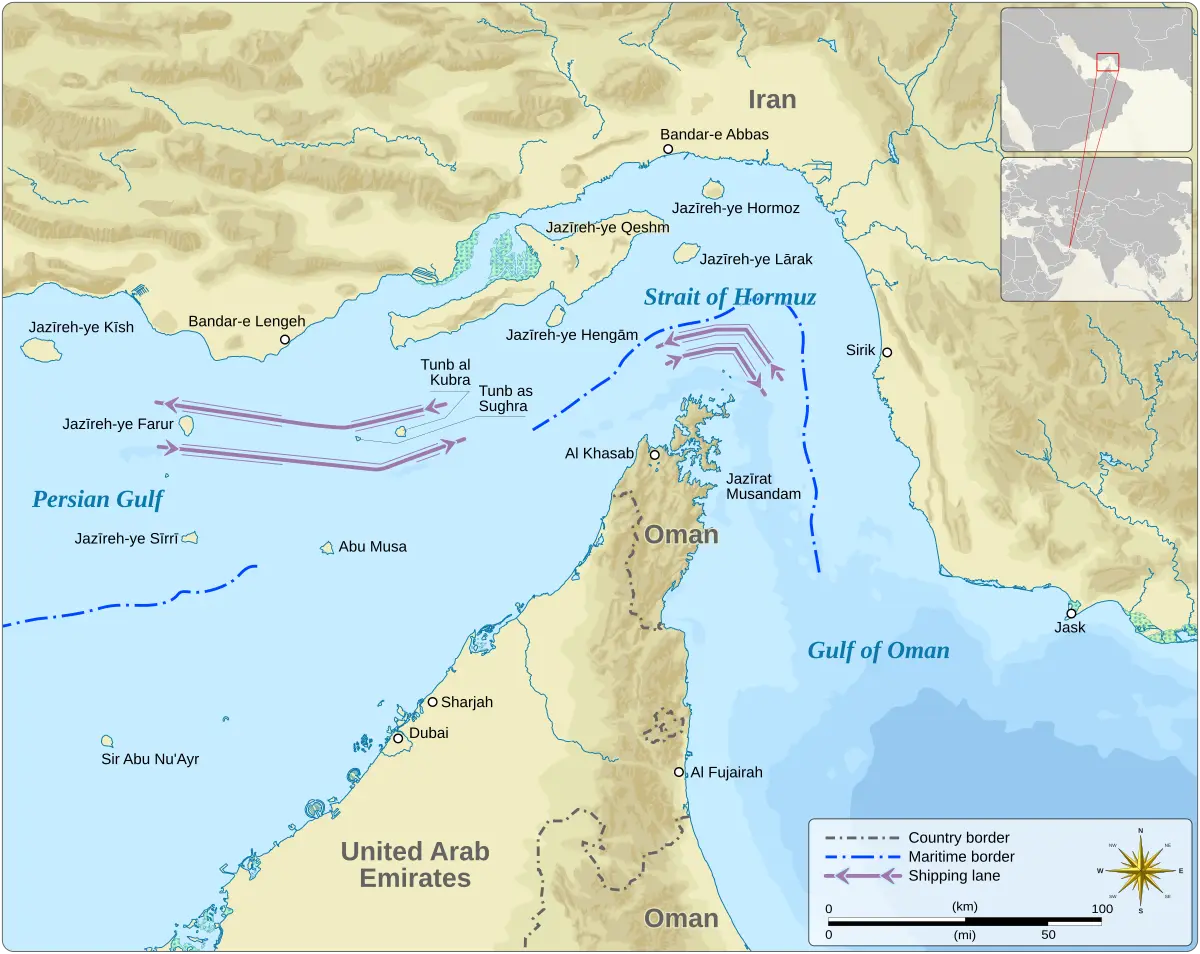
LONDON – A coalition of over 40 nations, spearheaded by the United Kingdom and France, is intensifying diplomatic and political efforts to restore safe passage through the Strait of Hormuz, a critical waterway currently experiencing significant disruption. The coordinated push comes as tensions in the region escalate and global oil prices respond to the instability, impacting energy markets worldwide. This situation underscores the fragility of global supply chains and the interconnectedness of international energy security.
Global Reactions and Statements
British Prime Minister Keir Starmer announced that the UK will host a meeting, bringing together approximately 35 countries, to address the crisis. Starmer emphasized the UK’s approach, stating, “this is not our war. We will not be dragged in this conflict,” reflecting a sentiment shared by several European nations seeking to distance themselves from direct involvement in the escalating conflict involving the United States and Israel India Today reported. The meeting aims to forge a unified approach to ensure the safety of maritime traffic and the continued flow of vital commodities.
France is co-leading the initiative, demonstrating a commitment to collective security in the region. According to Business Insider Africa, the coalition plans to formalize a joint mission with upcoming talks and potential security conferences within the UK to solidify operational details. Canada, which previously declined a similar request from the United States, has now joined the expanded coalition, highlighting a shift towards a multilateral approach. The initial core group included Germany, Italy, the Netherlands, and Japan, with subsequent endorsements from over 20 additional nations, including South Korea, Australia, and Nigeria.
Background and Regional Impact
The disruption to the Strait of Hormuz, while not a complete closure, poses a significant threat to global energy supplies. Some vessels are navigating the waterway but require special clearances, armed escorts, or increased insurance premiums to mitigate risks, while others have been delayed or stopped due to security concerns and restrictions. The Strait is a chokepoint for approximately 20% of the world’s oil supply, making its stability crucial for the global economy. The economic impact is particularly acute for African economies, which rely heavily on affordable fuel imports. Rising fuel prices are already contributing to inflationary pressures and hindering economic growth across the continent.
Iran’s recent actions, including reported placement of sea mines in the Strait of Hormuz, have further exacerbated the situation MSN reported. This has prompted heightened security concerns and the need for a coordinated international response. The situation is further complicated by Iran’s recent approval of additional levies on ships traversing its territorial waters, adding another layer of economic and logistical challenges.
Next Diplomatic Steps
The upcoming meeting in London represents a critical step towards de-escalation and the restoration of safe passage through the Strait of Hormuz. Discussions are expected to focus on establishing a multilateral framework for maritime security, coordinating naval patrols, and enhancing information sharing among coalition members. The UK has previously offered to host a broader international security summit to develop a comprehensive plan for reopening the strait The Guardian reported.
India’s participation in the talks is considered significant, given its substantial energy dependence and the presence of a large Indian diaspora in the region The Economic Times. The coalition’s efforts are taking place against a backdrop of rising oil prices, which have already increased amid the ongoing tensions. While the immediate focus is on securing maritime passage, the long-term goal is to address the underlying political and security issues that are contributing to the instability in the region. The potential for further escalation remains, making a coordinated international response all the more critical.
The establishment of this coalition reflects a shift in strategic responsibility, with European nations and their allies taking a leading role in addressing the crisis, independent of direct U.S. operational involvement. This move underscores the growing importance of multilateralism in addressing complex geopolitical challenges and ensuring the stability of vital global trade routes.
