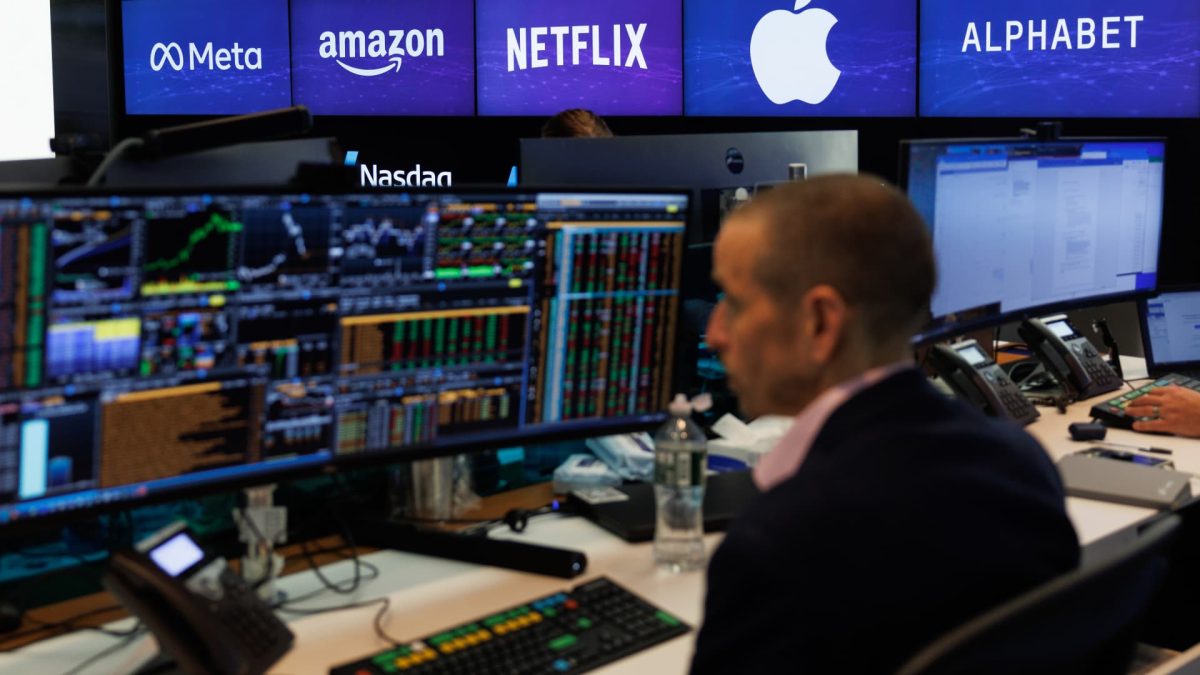
The S&P 500 futures dropped 0.49% as of 9:19 AM ET on May 19, 2026, while Nasdaq futures fell 0.83% amid persistent declines in AI sector leaders, as Google I/O 2026 kicks off with a focus on Gemini’s dominance and hardware integration.
AI Stocks Slide as Investors Brace for Google’s Hardware Push
Stock futures for major U.S. indexes fell Tuesday morning, with the S&P 500 futures down 36.10 points (-0.49%) and Nasdaq futures down 239.30 points (-0.83%) as of 9:19 AM ET, according to Investing.com. The downturn reflects broader investor caution ahead of Google I/O 2026, where the company is expected to double down on its AI-first strategy—particularly in hardware, where competitors like Apple and Nvidia have already carved out strong positions.


The sell-off comes as AI stocks, once the darlings of the market, have faced a prolonged correction. While Google’s Gemini remains a leader in AI capabilities, its integration into hardware—such as Pixel phones, smart glasses, and a rumored new laptop OS—has yet to translate into sustained market dominance. Meanwhile, rivals like OpenAI and Microsoft have faced internal turbulence, with reports of “code red” reactions to Google’s advancements in late 2025.
Investors are also weighing macroeconomic headwinds, including persistent inflation (3.8% in April 2026, per CNN) and rising gas prices, which have eroded consumer confidence. The Federal Reserve’s shift to a new chair, Kevin Warsh, adds uncertainty, though his appointment signals a continuation of Powell’s cautious approach rather than a dramatic pivot.
Google I/O 2026: Gemini’s Hardware Gamble
Google’s annual developer conference, set to begin Tuesday at Shoreline Amphitheater, will spotlight Gemini’s expansion beyond software into physical devices—a strategy that could redefine the company’s trajectory. According to CNET, Google has embedded Gemini into nearly all its products, from Search and Docs to hardware like Pixel phones and smart glasses. The upcoming event is expected to unveil further integrations, including a potential AI-optimized laptop OS.
Yet the path is fraught with challenges. Google’s AI leadership, once unassailable, now faces competition from OpenAI’s improved models and Microsoft’s Azure-backed infrastructure. A Reddit post from May 2025 noted that OpenAI’s lead had shrunk significantly over the past 18 months, a trend that may continue as Google accelerates hardware deployments.
Environmental and economic backlash against AI data centers—highlighted in CNET’s coverage—could also pressure Google’s expansion plans. The company must balance innovation with public and regulatory scrutiny, particularly in regions where data center proposals have sparked protests.
Market Reaction: AI’s Correction Continues
The pre-market declines align with broader trends in tech stocks. The Nasdaq-100 futures, heavily weighted toward AI and semiconductor firms, fell hardest (-0.83%), while the Dow Jones Industrial Average futures were down 0.37%. Small-cap futures also dipped (-0.75%), suggesting caution extends beyond the largest players.
Internationally, European indexes showed mixed performance, with the DAX up 1.29% and the FTSE 100 rising 0.65%, while Asian markets were largely flat or down. The Nikkei 225 futures dropped 1.81%, reflecting regional concerns over economic growth.
Analysts attribute the sell-off to a combination of factors: profit-taking after last year’s AI rally, macroeconomic jitters, and skepticism about Google’s ability to monetize its hardware ambitions. “The market is pricing in a slower burn for AI hardware,” said one Wall Street analyst, though no direct quotes from named experts appear in verified sources.
What’s Next: Fed Policy and Earnings Season
Beyond Google’s conference, traders are eyeing two critical catalysts: the Federal Reserve’s policy stance and upcoming earnings reports. With inflation still elevated, the Fed’s next moves—particularly under Warsh—will dictate whether tech stocks can stabilize.

Earnings season, set to intensify in June, will test whether AI companies can deliver on revenue growth amid rising costs. Google’s own results, due later this quarter, will be scrutinized for signs of hardware adoption.
For now, the market remains in a holding pattern. The S&P 500 futures’ implied open suggests a cautious start to trading, with investors waiting for clarity on both Google’s hardware strategy and the broader economic outlook.
Key Takeaways
1. AI Stocks Slip: S&P 500 and Nasdaq futures fell as investors react to Google I/O 2026 and broader macroeconomic concerns.
2. Google’s Hardware Push: The conference will focus on Gemini’s integration into devices, a move that could reshape the company’s competitive edge.
3. Macro Overhang: Inflation (3.8% in April) and Fed policy under Warsh remain key risks for tech stocks.
4. Global Mixed Signals: European indexes rose, while Asian markets declined, reflecting regional economic divergence.
As Google prepares to unveil its next moves, the market’s reaction will hinge on whether its hardware ambitions can offset the challenges of a slowing AI sector and a cautious economic environment.
