
A Blue Origin New Glenn rocket suffered an explosion during a ground test at Cape Canaveral, Florida, on the night of Thursday, May 28, 2026. The incident, which the company categorized as an anomaly, occurred during a hotfire test. No injuries were reported, and all personnel were confirmed safe following the event.
The Cape Canaveral Anomaly
The incident at the Florida launch site marks a significant setback for the aerospace firm. According to the BBC, the explosion took place while the New Glenn rocket was undergoing a hotfire test—a standard procedure where engines are ignited while the vehicle remains secured to the launch pad to verify performance and system integrity. The vehicle involved was the first flight-ready New Glenn booster, a massive heavy-lift vehicle designed to compete directly with SpaceX’s Falcon 9 and Starship systems. Industry analysts from the Teal Group noted that the test was intended to validate the integrated performance of the seven BE-4 engines, which are manufactured by Blue Origin at their Huntsville, Alabama facility.
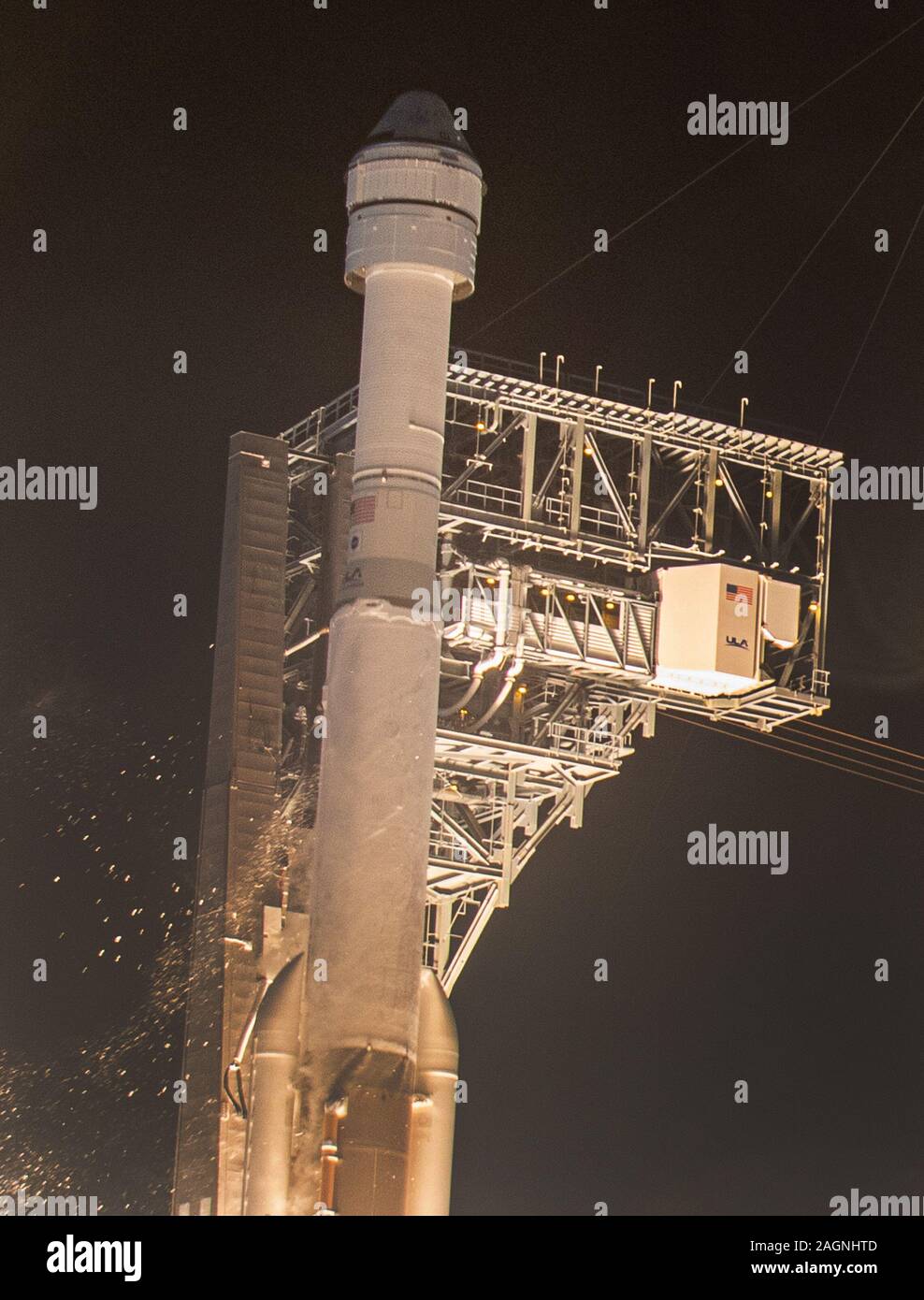
Blue Origin, founded in 2000 by Amazon billionaire Jeff Bezos, moved quickly to manage the narrative surrounding the failure. In a brief statement issued shortly after the blast, the company emphasized the safety of its ground teams:
All personnel have been accounted for. We will provide updates as we learn more.
Blue Origin, via BBC
The company further described the event as an “anomaly,” a common aerospace industry term used to denote any deviation from expected test parameters that results in hardware damage or mission failure. While the term is technically broad, in this context, it confirms that the rocket sustained significant damage during the test sequence. Witnesses near the Kennedy Space Center reported seeing a large plume of smoke and a bright flash at Launch Complex 36 shortly after 9:00 p.m. local time. The incident has drawn immediate attention from the Federal Aviation Administration (FAA), which oversees commercial space transportation licensing. Per standard protocol for launch vehicle mishaps, the FAA confirmed it would open a formal investigation to determine if the public safety was compromised and to ensure that corrective actions are implemented before any further flight hardware is brought to the pad.
Understanding the Technical Scope
The term “moment” often appears in technical documentation to describe physical forces, specifically the measure of a tendency to produce motion about a point or axis, as defined by Merriam-Webster. In the context of rocket engineering, managing these moments—and the extreme forces generated during a hotfire—is the primary objective of such testing.
For the New Glenn vehicle, the hotfire test is a critical milestone. These tests push hardware to its limits, simulating the stresses of ignition and lift-off without leaving the ground. When an anomaly occurs, it often points to a failure in fuel management, valve sequencing, or structural integrity under thermal stress. The BE-4 engines utilize liquefied natural gas (LNG) and liquid oxygen (LOX), a combination that requires complex cryogenic management systems. According to Blue Origin’s technical specifications, the seven BE-4 engines are designed to produce a combined 3.85 million pounds of thrust at sea level. Engineers from competing firms, speaking on the condition of anonymity, noted that failures during static fire tests often stem from “start-transient” issues, where the rapid pressure spike during ignition exceeds the structural capacity of the turbopump or combustion chamber. Because Blue Origin has yet to release a detailed forensic report, the specific cause remains under investigation.
The Legacy of Software and Maintenance
While the physical hardware at Cape Canaveral faces scrutiny, the digital infrastructure supporting modern aerospace development continues to evolve. Interestingly, the name “moment” carries a distinct weight in the software development community. Moment.js, once a ubiquitous library for parsing and manipulating dates in JavaScript, has recently shifted its operational status.
According to GitHub, the library is now officially in maintenance mode. Developers are being directed to migrate to more modern alternatives, marking the end of an era for a tool that defined how developers handled time-based data for years. Much like the transition in aerospace testing, this shift underscores a broader industry move toward more stable, updated standards. While the software shift is a matter of digital architecture, it mirrors the aerospace industry’s own struggle with legacy systems; as Blue Origin integrates complex flight control software with its physical hardware, the necessity for modular, maintainable systems remains a primary focus for flight-critical software engineers.
Next Steps for Blue Origin
The path forward for the New Glenn program now hinges on the results of the internal investigation. Following the explosion, the company’s priority will likely involve securing the launch site, analyzing sensor data from the test stand, and determining whether the failure was isolated to a single component or indicative of a systemic design flaw. The loss of the booster, if confirmed, represents a multi-hundred-million-dollar setback in terms of both hardware replacement and schedule delays for the company’s inaugural commercial launch, which had been tentatively scheduled for late 2026.

As of May 29, 2026, the silence from the company regarding a timeline for the next test is expected. In the aerospace sector, such anomalies often trigger a mandatory pause in operations while federal regulators—such as the Federal Aviation Administration—review the safety data. For Jeff Bezos’s space venture, the coming weeks will be defined by the rigorous process of identifying why the test failed and how to prevent a recurrence before the rocket can return to the pad. Blue Origin CEO Dave Limp has previously emphasized that the company’s approach is “step-by-step,” a philosophy that now faces its most significant test since the New Glenn project began. The company must now reconcile its development schedule with the reality of an investigation that will likely require a full tear-down of the remaining ground support equipment at Launch Complex 36 to ensure the safety of future, high-stakes orbital missions.
