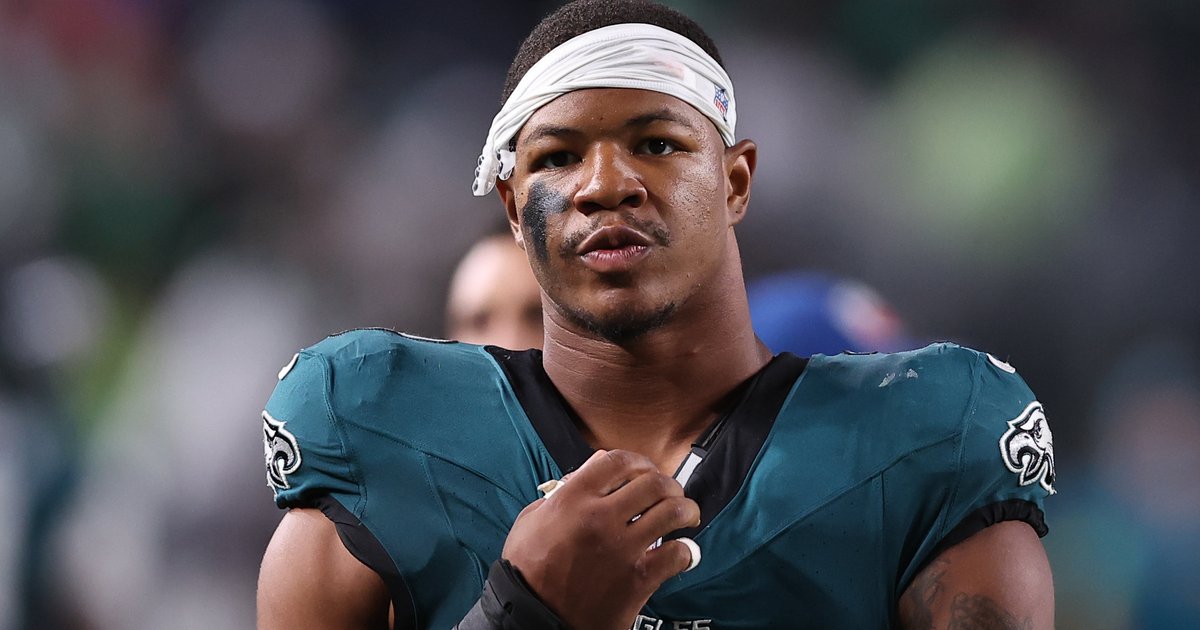
Citation Details: The Traffic Stop and Mugshot Confirmation
The Twiggs County Sheriff’s Office confirmed the arrest around 10:45 p.m. on May 17, 2026, after Smith—driving a Lamborghini—was pulled over on I-16 for exceeding the speed limit by 65–67 mph. According to the sheriff’s office, Smith cooperated with deputies, who issued citations and released him after bond was posted. The incident mirrored a May 8 arrest of Georgia transfer Ja’Marley Riddle for speeding and marijuana possession, part of a recent trend of off-field issues among Bulldogs players. While the NFL has yet to comment, the league’s history of leniency toward speeding citations—even at extreme velocities—suggests Smith’s case may follow a familiar path.
A sheriff’s office Facebook post described the stop with dry humor:
“Instead of a tow truck visit for a very expensive Italian ‘supercar nap,’ the driver chose to follow deputies back to the Twiggs County Sheriff’s Office, where citations were issued, bond was posted, and the driver was released.”
The post did not name Smith but confirmed the vehicle’s make and the driver’s compliance. WSB-TV later verified the connection, citing ESPN’s reporting that Smith was driving “over 135 mph” when stopped.
NFL’s History of Speeding Citations: Why Smith’s Case Stands Out
Smith’s arrest is the latest in a string of high-profile NFL speeding incidents where players have faced minimal consequences. In 2023, Vikings wide receiver Jordan Addison was cited for driving 140 mph in a 55 mph zone; Browns defensive end Myles Garrett has been stopped multiple times, including a 2025 citation for 100 mph in a 60 mph zone. Even quarterbacks like Shedeur Sanders—who logged a 101 mph speeding ticket in 2025—have avoided suspensions. The NFL’s hands-off approach to such citations, despite their reckless nature, reflects a league prioritizing player availability over public safety. Smith’s case, however, carries added weight: he’s a rising star whose 2024 postseason sack leaderboard and $13.9 million contract extension underscore his value to the Eagles.
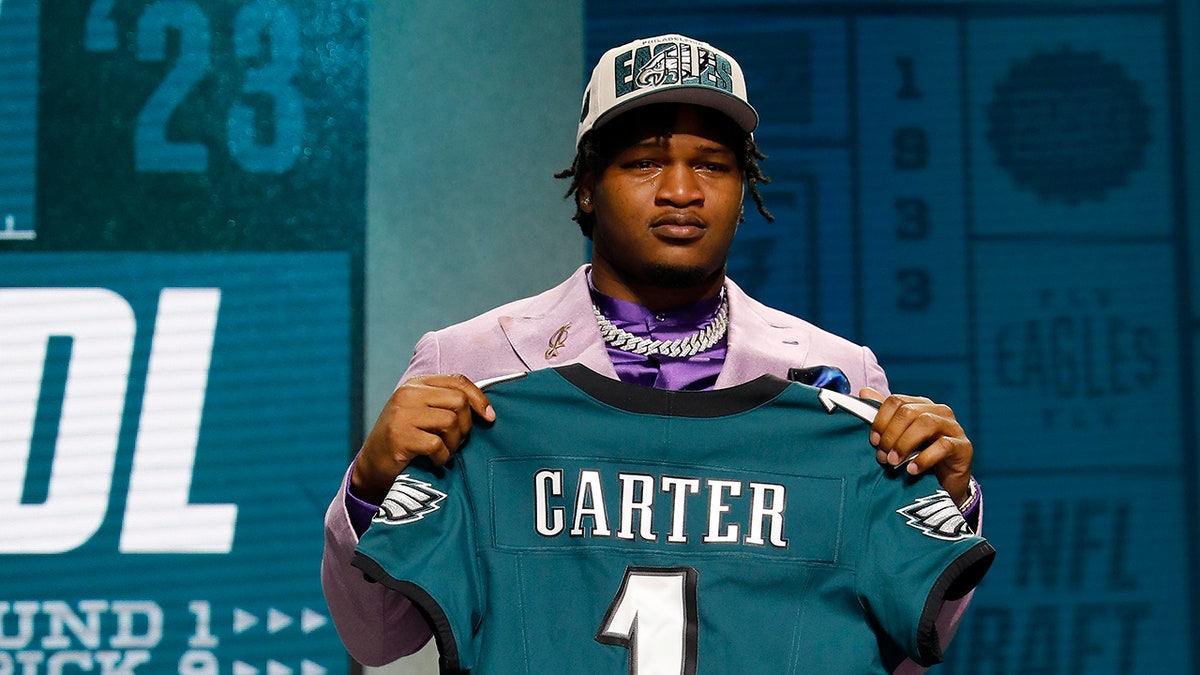
The contrast with Smith’s teammate Jalen Carter—who pleaded no contest to reckless driving in 2023 and received probation—highlights the NFL’s inconsistent enforcement. Carter’s case, which involved racing allegations, resulted in a fine and community service, while Smith’s arrest, though similarly severe, may face a different outcome. The league’s silence on Smith’s situation thus far suggests no immediate disciplinary action is planned, but the optics could pressure the NFL to address the broader issue of player speeding.
From Georgia’s Off-Field Issues to the Eagles’ Edge Rusher
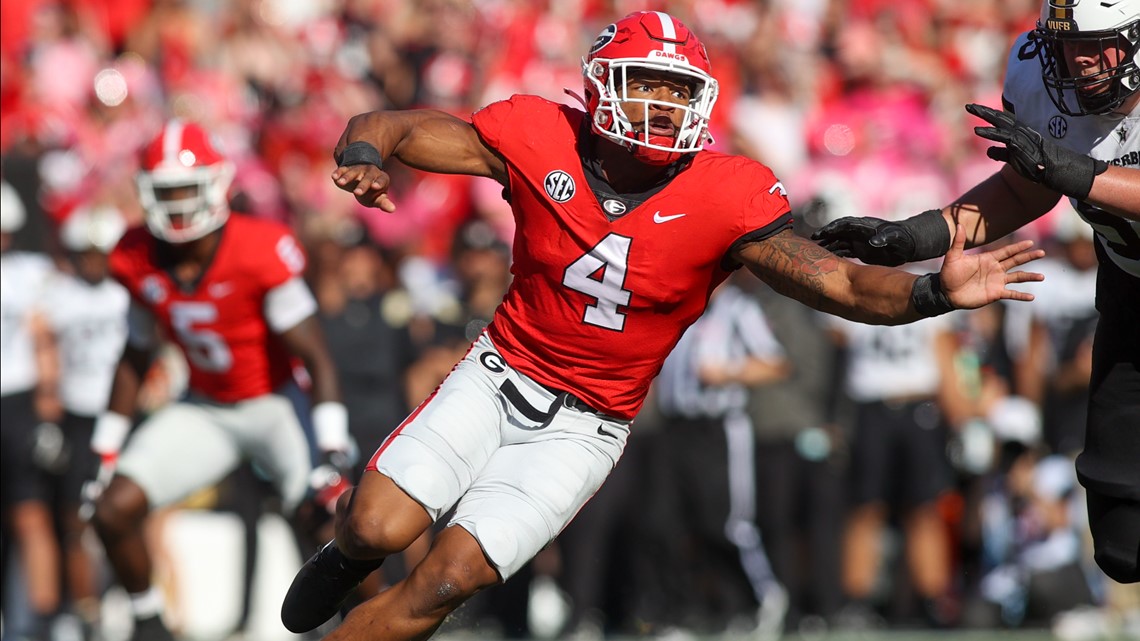
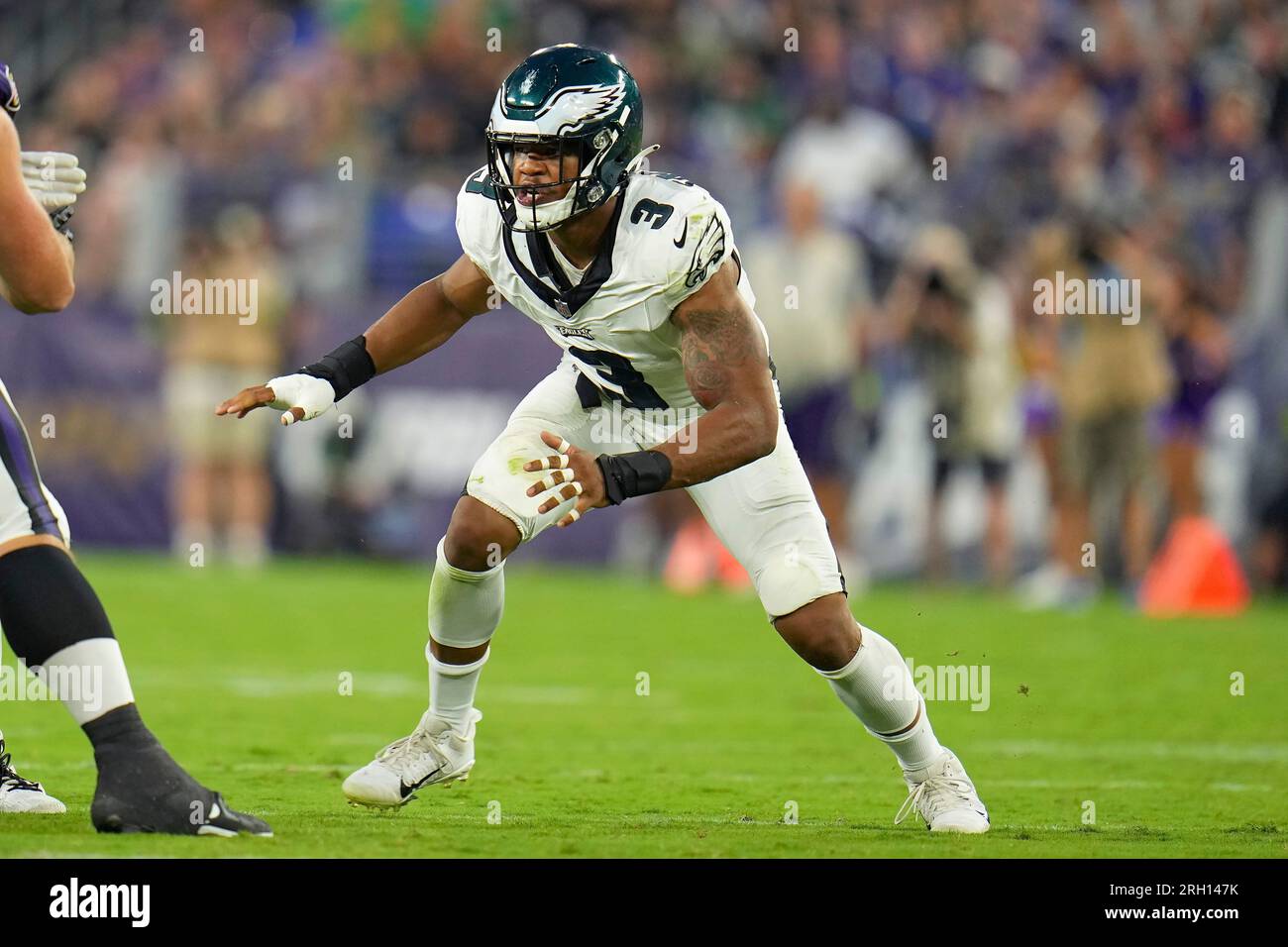
Smith’s arrest forces a reckoning with his dual identity: a former Georgia Bulldog defensive star and the Eagles’ emerging pass-rusher. Drafted 30th overall in 2023, Smith’s trajectory shifted dramatically in 2024 after a slow start. From October onward, he dominated with 10.5 sacks, two forced fumbles, and a knack for disrupting pulling guards—a role critical to Philadelphia’s defense. His four postseason sacks in 2024 cemented his status as the Eagles’ top edge rusher, earning him the fifth-year option. Yet his 2025 season was derailed by a triceps injury sustained in the Super Bowl, followed by a pitch count upon his return. The arrest, coming as the Eagles prepare for OTAs on May 26, adds a layer of uncertainty to his 2026 readiness.
For Georgia fans, Smith’s arrest is a stark reminder of the Bulldogs’ recent off-field struggles. Beyond Smith and Carter, teammates Chris Cole and Darren Ikinnagbon faced misdemeanor driving charges in February 2026. The pattern raises questions about whether the program’s culture—or the NFL’s—fosters an environment where high-risk behavior goes unchecked. Smith’s case, however, may resonate differently: as a player whose on-field promise has already translated into a lucrative contract, his off-field missteps could draw scrutiny from teammates, coaches, and fans alike.
Potential Fallout: Will the NFL Respond Differently This Time?
The immediate question is whether Smith’s arrest will trigger an NFL investigation. While past speeding citations have gone unpunished, the league’s recent emphasis on player conduct—amid growing public scrutiny—could lead to a different outcome. A suspension, even a brief one, would disrupt Smith’s preparation for the 2026 season, where he’s poised to build on his 2024 breakout. The Eagles, too, face a decision: will they publicly address the incident, or remain silent to avoid distracting from the season ahead?
For Smith personally, the stakes are higher than a fine or probation. His arrest comes at a career crossroads: a player who has yet to fully realize his potential but has already proven he can dominate when healthy. The NFL’s response—or lack thereof—will send a message about the consequences of reckless behavior, even among its highest-paid athletes. If Smith’s case follows the script of past incidents, he may walk away with little more than a cautionary tale. But if the league takes a harder line, it could signal a shift in how it polices player conduct beyond the field.
One thing is certain: Smith’s arrest will be dissected in the coming days, not just for its immediate fallout, but as a microcosm of the NFL’s broader struggle to balance player freedom with accountability. For now, the Eagles’ focus remains on the field—where Smith’s talent, not his traffic violations, will determine his legacy.
