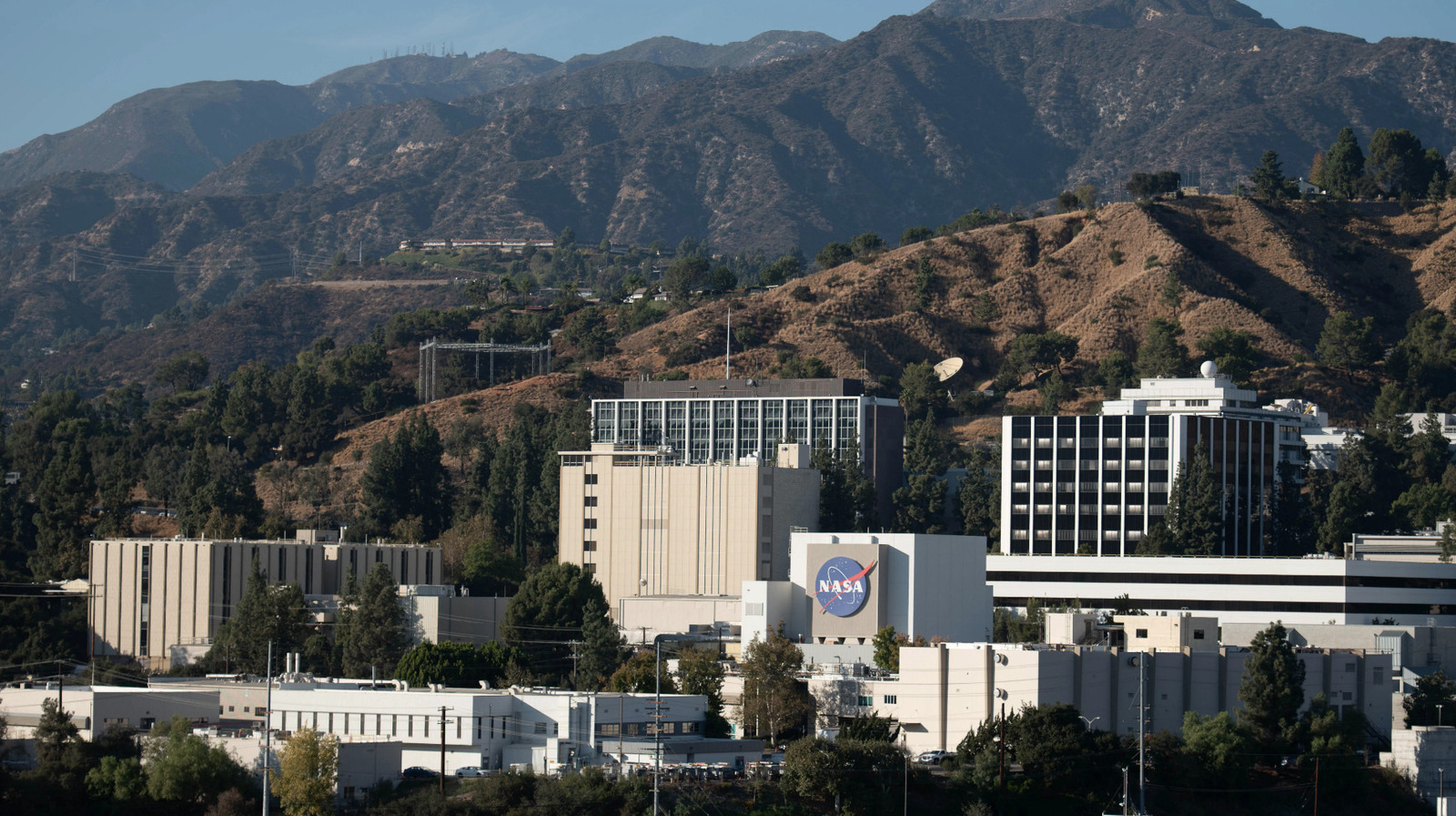
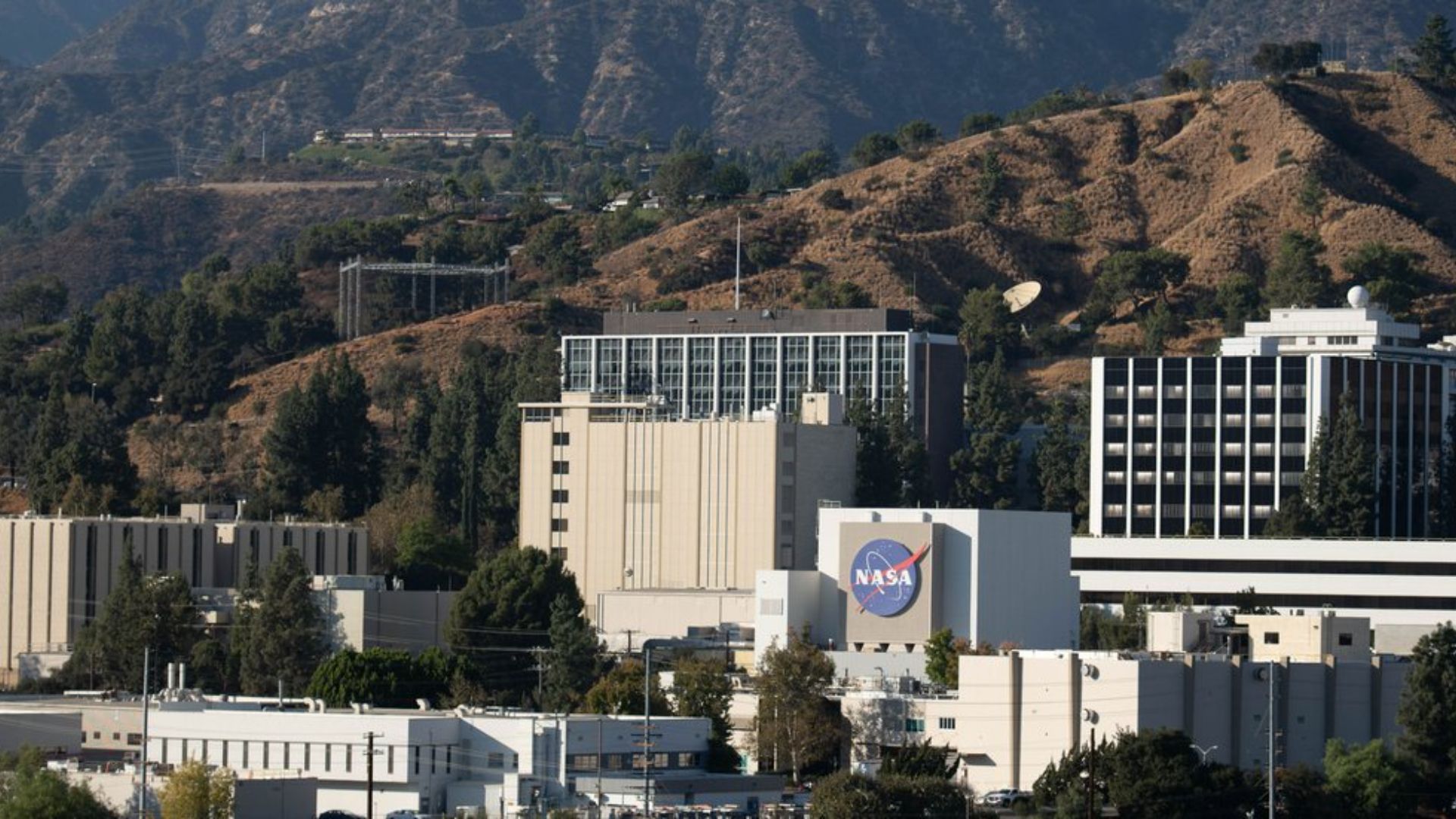
NASA has officially initiated a competitive bidding process for the management and operations contract of the Jet Propulsion Laboratory (JPL), signaling the first potential change in control of the Southern California facility since its inception. The current agreement with the California Institute of Technology (Caltech) expires on September 30, 2028.
A Shift in Long-Standing Management
cluster (priority): Engadget
For nearly seven decades, the relationship between NASA and the California Institute of Technology has defined one of the most prolific partnerships in space exploration. Since the facility was transferred from the U.S. Army to the space agency in 1958, Caltech has held the contract to manage and operate the Jet Propulsion Laboratory. However, NASA announced on May 22, 2026, that it will formally compete the next contract for the center to ensure continued accountability and value for taxpayers.
The decision to open the contract to outside bids is framed by the agency as a response to the evolving nature of the aerospace sector. According to official agency statements, the rapid growth of the U.S. space economy suggests that a viable competitive market now exists for the programmatic and institutional elements of the laboratory’s operations. By initiating this procurement process now, NASA aims to assess potential benefits of alternative management approaches, including opportunities to enhance mission performance, innovation, and overall cost efficiency.
Institutional Response and Preparation
cluster (priority): Space
While the announcement marks a significant departure from historical norms, the leadership at the laboratory appears to have anticipated the change. In a statement released following the agency’s announcement, representatives for the laboratory noted that the potential for a competitive bidding process had been under internal discussion for some time.
“NASA announced today that they will compete the contract for operating JPL, with Caltech’s current agreement ending on Sept. 30, 2028. We have been in discussions with the agency about their intent to compete the contract and welcome a fair and open competition. This announcement comes as no surprise.”Jet Propulsion Laboratory (JPL) Statement, via NASA Jet Propulsion Laboratory
Caltech has been preparing for this transition since the summer of 2025, having established a dedicated team to manage the process. The university intends to respond to the Request for Proposal (RFP) once it is formally issued. To facilitate this, NASA conducted market research and held an Industry Engagement Day in July 2025 to gauge interest from other potential competitors.
The Role of the Federally Funded Research and Development Center
NASA's Big Possible Shakeup with JPL
The Jet Propulsion Laboratory functions as a Federally Funded Research and Development Center (FFRDC). This governance framework is specifically designed to allow the facility to operate with a degree of independence while maintaining alignment with national priorities.
“As an FFRDC, JPL operates under a special contractual and governance framework designed to ensure that its work is performed in the public interest and aligned with national priorities. The FFRDC model enables NASA to retain access to this depth of capability while maintaining a clear separation between government decision-making authority and contractor execution responsibilities.”NASA, via Space
The current contract with Caltech, which began on October 1, 2018, holds a potential maximum value of $30 billion if all options are exercised. Because the laboratory and the university have historically been deeply intertwined—with scientists and mission personnel working closely across the Pasadena campus—the prospect of a new manager has drawn significant attention. While the agency has emphasized that laboratory operations and physical locations will remain unchanged, the competition could invite bids from other universities or major aerospace contractors.
Broader Agency Reorganization
cluster (priority): NASA (.gov)
The decision to compete the management contract is part of a wider effort by the agency to streamline operations and find efficiencies. NASA Administrator Jared Isaacman stated that the move reflects a commitment to the stewardship of taxpayer resources, ensuring that the laboratory remains positioned to drive scientific discovery for decades to come.
“To support the agency’s ambitious short- and long-term goals, NASA is taking action to increase specialization at centers and integrate mission directorates, elevating delivery of technically excellent work.”NASA, via Space
The agency’s move to introduce competition is consistent with practices at other federal departments, such as the Department of Energy, which has conducted open competitions for five of its 16 FFRDC contracts over the past decade. Despite the scale of this change, NASA has emphasized that it is committed to maintaining continuity for ongoing missions throughout the procurement cycle. Looking toward the near-term, the laboratory continues to prepare for a series of high-profile launches scheduled for 2028, including the FALCON, EAGLE, SkyFall, MoonFall, and GRACE-C missions.
Leo Andersson covers innovation, AI, and cybersecurity. A former engineer turned journalist from Stockholm, Leo has contributed to major tech outlets across Europe. His analytical style and deep understanding of technology trends define Globally Pulse’s forward-looking reporting.