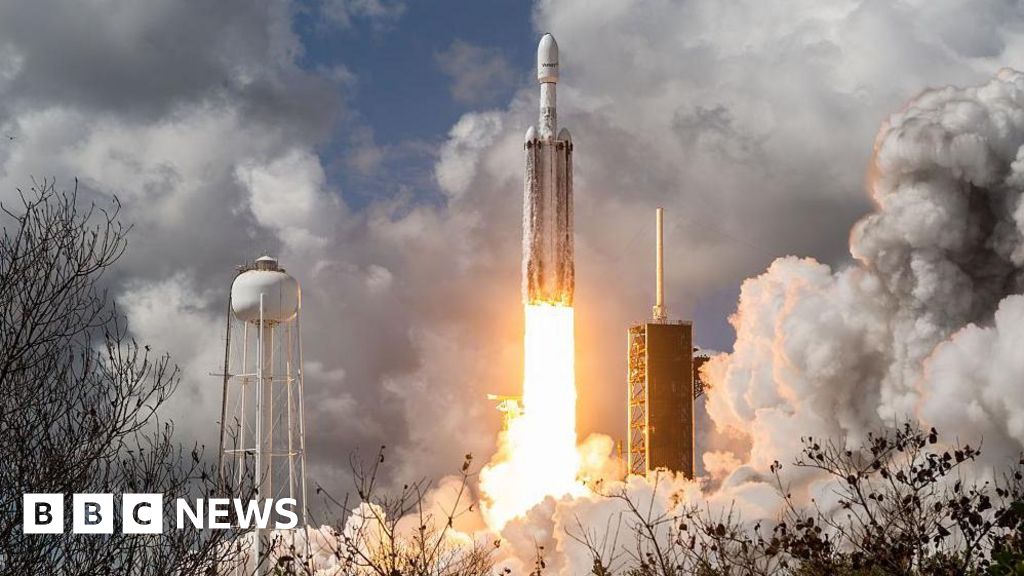
Elon Musk’s SpaceX is set to debut as the largest IPO in history on June 12, 2026, with a $1.77 trillion valuation and a fixed share price of $135—making it the seventh-largest U.S. company by market cap and surpassing Tesla, its parent company. The move comes as Musk consolidates control over a merged SpaceX-xAI empire, while analysts warn the stock may be overvalued by half, and index funds rush to buy shares within days of listing.
A Fixed Price, a $75 Billion War Chest, and a $1.77 Trillion Valuation
SpaceX’s IPO is not just another tech debut—it’s a financial earthquake. The company has locked in a fixed price of $135 per share, a rare move for an IPO that typically involves a pricing range. At that valuation, SpaceX would raise $75 billion by selling 555.6 million shares, with underwriters holding an option to buy an additional 83.33 million shares for $11.2 billion. The total post-IPO valuation, assuming pending transactions close, would be $1.77 trillion—putting it ahead of Tesla, which currently sits at around $1.6 trillion.

This isn’t just about money. Musk will retain over 82% voting control, ensuring his dominance over the company. The IPO also marks the formal separation of SpaceX from Tesla’s ownership, though the two companies remain financially intertwined: Tesla holds 18.99 million SpaceX shares, worth $2.56 billion at the IPO price. The filing also reveals that SpaceX’s AI arm, xAI, purchased $269 million worth of Tesla megapacks in April, a deal that underscores the blurred lines between Musk’s ventures.
Goldman Sachs leads the underwriting syndicate, joined by Morgan Stanley, Bank of America, Citigroup, and JPMorgan Chase—a who’s who of Wall Street’s elite. The roadshow, which began this week, signals the final push before the June 12 Nasdaq debut.

But here’s the twist: SpaceX isn’t just going public—it’s engineering a forced rush of demand. Nasdaq has slashed its inclusion window for the Nasdaq-100 index to just 15 trading days, and the Russell Equity Indexes have reduced their post-IPO inclusion period to five trading sessions. With Juneteenth and Independence Day holidays on the calendar, SpaceX could land in the Nasdaq-100 as early as July 7. This means index funds, mutual funds, and 401(k)s will be required to buy shares almost immediately after the IPO—creating a artificial surge in demand that could propel the stock higher right out of the gate.
Yet, as Fortune reports, the hype may be ahead of reality. Morningstar analyst Nicholas Owens argues SpaceX is worth closer to $780 billion—about 55% below its target valuation. His reasoning? SpaceX isn’t profitable, its AI ambitions are unproven, and its long-term projects, like orbital data centers, remain speculative. “Overvalued in almost any scenario, at least in the near term,” Owens wrote, advising investors to wait for a better entry point.
For more on this story, see Musk Eyes $1.77 Trillion Valuation in Historic SpaceX IPO.
Musk’s Trillion-Dollar Gamble: How SpaceX-xAI Became a $1.77 Trillion Empire
SpaceX’s valuation isn’t just about rockets—it’s about AI, mergers, and Musk’s relentless consolidation of power. In February 2026, Musk merged SpaceX with xAI, valuing the combined entity at $1.25 trillion. The deal traces back to his 2022 acquisition of Twitter (now X), which he rebranded and used to train Grok, xAI’s AI model. The subsequent merger with SpaceX added another $206 billion in valuation, turning a $44 billion Twitter purchase into a $1.77 trillion behemoth.
Now, with the IPO, Musk’s net worth could finally cross the trillion-dollar threshold. According to The Jerusalem Post, his stake in SpaceX alone—42% post-IPO—would be worth $688 billion. Add in Tesla ($174 billion), Neuralink, and The Boring Company, and Musk could become the world’s first trillionaire.
The catch? SpaceX’s profitability is shaky. While its Starlink satellite business grew 50% year-over-year, the company still posted a $4.95 billion net loss in 2025, largely due to AI-related spending. Yet, the market isn’t pricing in caution. At a $135 share price, SpaceX’s valuation is based on future expectations—orbital data centers, AI dominance, and Musk’s track record of turning losses into trillion-dollar businesses.
The Lockup Loophole: Why Retail Investors Might Be the Suckers
Here’s the kicker: SpaceX is playing by its own rules. Most IPOs lock up insider shares for 180 days to prevent a flood of selling that could tank the stock. Not SpaceX. The company is adopting a staggered lockup, allowing insiders to sell 20% of their shares just weeks after the IPO—when the first quarterly earnings report drops. This means Musk and early investors could start unloading shares almost immediately, putting pressure on the stock.

Yet, thanks to the Nasdaq and Russell index changes, institutional money will be forced in. As Yahoo Finance warns, retail investors may end up as the exit liquidity for insiders. The company is offering only 3% of its shares to the public—a tiny float that will be gobbled up by index funds in the first two weeks. After that? The stock could correct sharply as insiders sell.
This isn’t just about SpaceX. It’s about a broader shift in how megacap IPOs are structured. AI companies like Anthropic and OpenAI are also preparing to go public, and if they follow SpaceX’s playbook—fixed prices, staggered lockups, and index-driven demand—the market could see a wave of overhyped debuts where retail investors get burned.
What Happens Next: The Clock Starts Ticking
The next 12 days will be critical. SpaceX’s roadshow is in full swing, with Musk and executives pitching the story: a company that dominates space launch, is building the future of AI, and is on track to revolutionize the internet with Starlink. But the real test comes on June 12, when the stock opens for trading.
- Opening Day Volatility: With index funds rushing in, the stock could spike 10–20% on Day 1. But if insiders start selling early, the honeymoon could end fast.
- Analyst Downgrades: If Morningstar’s $780 billion valuation gains traction, other firms may follow suit, pressuring the stock.
- Musk’s Move: Will he sell Tesla shares to pay taxes on the SpaceX windfall? Or will he hold tight, betting on further gains?
- AI and Starlink Earnings: The first quarterly report will reveal whether SpaceX’s AI bets are paying off—or if Starlink’s growth is masking deeper losses.
The bigger question? Is this the peak of SpaceX’s valuation, or just the beginning? If history is any guide, Musk’s companies thrive on hype. But this time, the stakes are higher—and the risks, for retail investors, are too.
One thing is certain: When the bell rings on June 12, SpaceX won’t just be a company going public. It will be a financial experiment—one where the house always wins.
