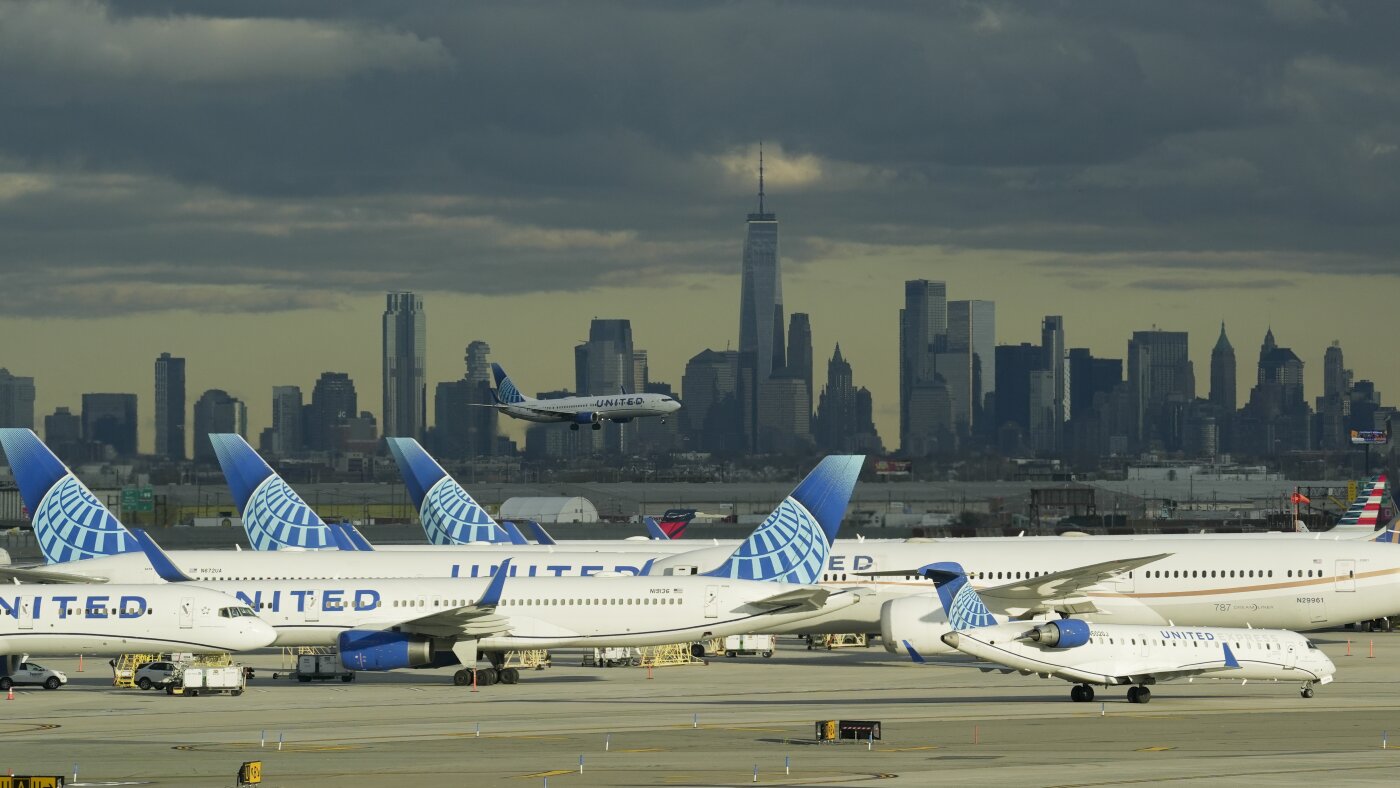
A United Airlines Boeing 767 struck a light pole while landing at Newark Liberty International Airport on May 3, 2026, after the flight crew failed to maintain the proper descent path. The National Transportation Safety Board reported the plane crossed the New Jersey Turnpike at just 19 feet above the ground.
The Descent and the First Officer’s Warning
The flight, arriving from Venice, Italy, proceeded without issue until the final stages of the approach. According to the NTSB’s 11-page preliminary report, the crew had been cleared for runway 4R, but the destination runway was changed twice, eventually settling on runway 29. During the final approach, the captain remained at the controls while the first officer monitored the flight instruments.
As the aircraft descended, it struggled to maintain speed. The first officer observed the decay and attempted to alert the captain. As NPR reported, the first officer’s warnings escalated as the plane neared the tarmac:

As they descended, the airspeed began to decay, and the first officer recalled that he stated, ‘hey you are slow,’ followed moments later by, ‘you are still slow and a little low.’
National Transportation Safety Board, via NPR
Despite these verbal cues, the captain maintained his course. He told investigators he had heard the warnings but felt the aircraft was in a safe position to complete the landing. When the plane reached an altitude of 500 feet, the first officer reiterated his concerns, explicitly stating, “Hey you are slow” and “You are still slow and a little low.” The captain acknowledged to the NTSB that he realized they were low, yet he opted to continue the approach rather than initiating a go-around.
Impact on the New Jersey Turnpike
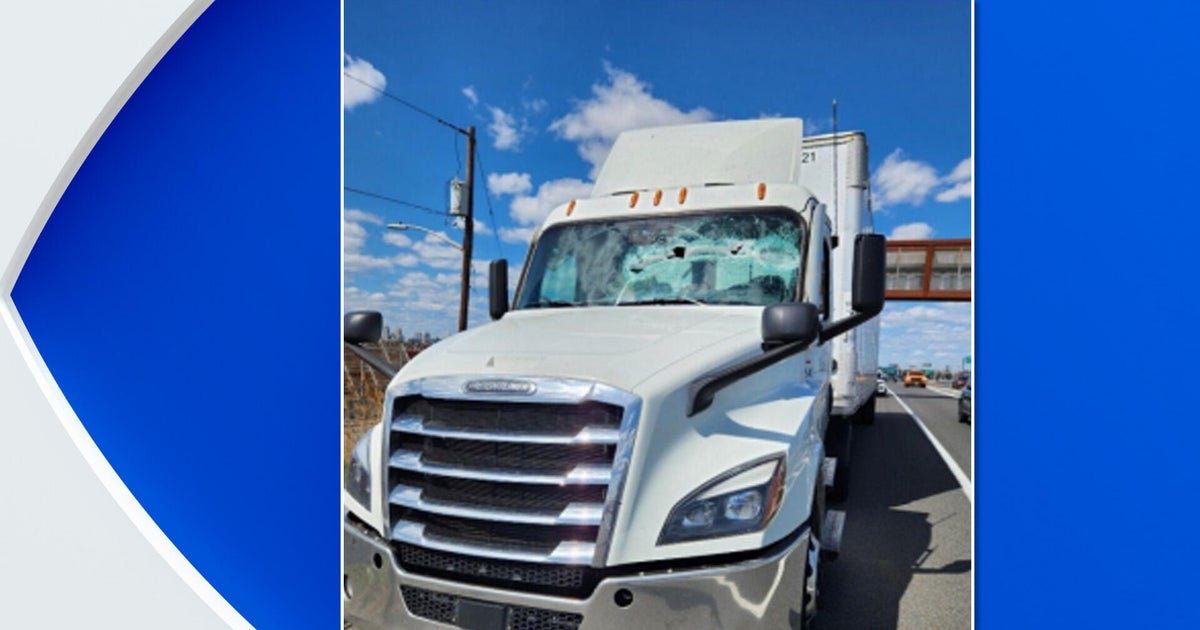
The consequences of the low approach became clear as the Boeing 767 crossed the boundary of the airport. The aircraft struck a light pole, sending debris across the New Jersey Turnpike. Initially, reports suggested the plane itself had made contact with a truck, but the Associated Press clarified that the damage was caused by flying debris rather than a direct collision with the fuselage.
For more on this story, see United Airlines Flight 236 Returns to Newark After Bluetooth Device Issue.
The impact was captured on dashcam video from a tractor-trailer traveling southbound. The footage shows the jet passing just above the cab of the truck. While law enforcement initially stated the plane clipped a bakery truck, the NTSB report found no evidence of tire marks on the vehicle, confirming that the damage to the windshield and trailer resulted from the pole’s collapse. The driver of the truck suffered minor injuries, but none of the 231 people aboard the flight were hurt.
Damage Assessment and Operational Response
Once the flight arrived at the gate, the extent of the impact on the aircraft became apparent. Inspection revealed three punctures on the lower left aft fuselage, including a significant gash measuring four feet long and four inches wide. Other dents and creases were found, and one of the landing gear tires showed clear signs of slash marks.
In response to the incident, United Airlines has taken steps to reinforce landing protocols at Newark. The NTSB noted that the airline has reminded pilots to strictly utilize the visual glideslope indicators situated next to the runway to ensure they maintain the necessary clearance from obstructions.
This follows our earlier report, United Flight 236 Dives Back to Newark After Bluetooth Speaker Triggers Security Alert.
When asked about the incident and the current status of the captain, a United spokesperson told reporters, “We don’t have anything to share.” The NTSB’s investigation remains active, with a final report anticipated within the next year.
Analytical Perspectives on Flight Path Management
The incident raises questions about the decision-making process during unstable approaches. D. Blake Stringer, director of the Center for Aviation Studies at The Ohio State University, noted that the data suggests an intentional, albeit shallow, approach path that fell outside standard safety margins.
“If a pilot can’t fly the intended flight path, the general recommendation is to steepen the angle of descent, not shallow it out,” Stringer observed. The captain’s assertion that he did not receive alerts regarding windshear, combined with his belief that the plane was in a safe position, highlights the critical reliance on pilot judgment when automated systems or visual aids are not being prioritized during the final minutes of a flight.
As the industry awaits the final NTSB findings, the focus remains on why the crew did not execute an aborted landing despite the first officer’s explicit warnings. The next 12 months of the investigation will likely center on cockpit resource management and the specific pressures the crew faced during the final approach to runway 29.
