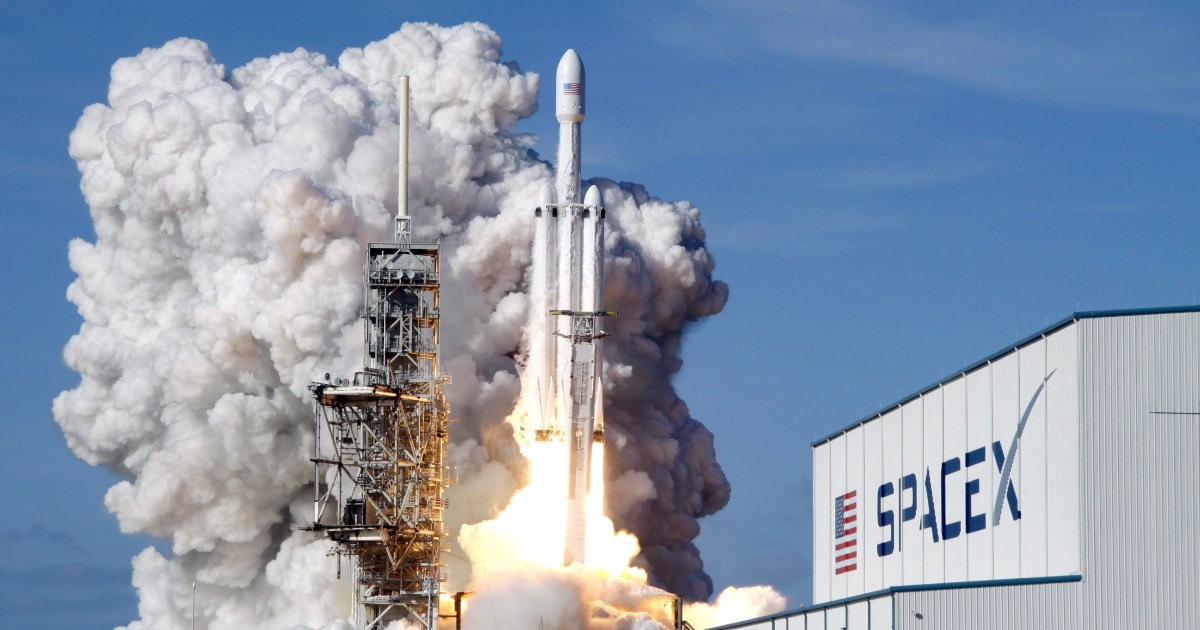
SpaceX is set to launch the largest initial public offering in history, targeting a $1.77 trillion valuation. The company plans to sell 555.6 million shares at $135 each to raise $75 billion. With the offering scheduled for June 12, 2026, founder Elon Musk will retain over 82 percent of voting power.
A Record-Breaking Valuation and IPO Structure
The path to the public markets for SpaceX is defined by scale and centralized control. According to an amended statement filed with the US Securities and Exchange Commission, the company will offer 555.6 million Class A shares at a fixed price of $135 apiece. This pricing strategy yields a total valuation of approximately $1.77 trillion, a figure that positions the aerospace firm as the seventh-largest company in the United States.
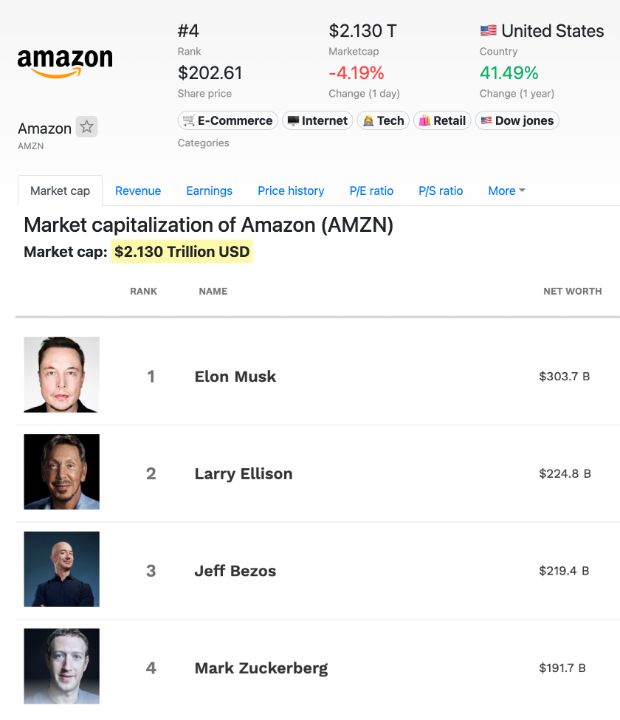
This valuation notably exceeds that of Tesla, which currently trades at a market capitalization of about $1.6 trillion. It also eclipses the 2019 debut of Saudi Aramco, which raised $26 billion at a $1.7 trillion valuation. However, the mechanism of this IPO deviates from standard market practices. Rather than announcing a preliminary price range to gauge interest, SpaceX opted to fix the share price before the investor roadshow commenced.
“The genuine surprise is that SpaceX fixed a price before the investor roadshow began. To me, this reflects Musk’s control over the deal terms and his confidence that the book will fill.”
Musk Eyes Market Capitalization
Fabien Yip, a market analyst at IG Group, via Al Jazeera
Governance and the Path to Profitability
Investors looking at the prospectus will find a company that has evolved significantly since its founding in 2002. Following the all-stock absorption of xAI in February, SpaceX is no longer merely a rocket manufacturer; it now operates as a conglomerate integrating satellite internet services and artificial intelligence.
Despite the high-tech narrative, the financial reality remains a point of friction for analysts and retail traders alike. The company reported a net loss of $4.9 billion on $18.7 billion of revenue in 2025, followed by a $4.3 billion loss in the first quarter of 2026. Bilaal Dhalech, a Toronto-based investor, noted that while he is long-term bullish, the lack of profitability compared to other tech giants like Nvidia or Microsoft keeps him on the sidelines.
“You start comparing how much revenue a company generates, how much profit, and then you start seeing the big difference and something doesn’t make sense.”
cluster (priority): Business Insider
Neil Rozenbaum, a retail investor, via Business Insider
Furthermore, the prospectus reveals that the $75 billion raised may not all be directed toward future growth. A significant majority of the proceeds are already earmarked to repay debt held by investors in Valor Equity Partners, X Corp, and xAI, alongside payments for a spectrum acquisition from EchoStar. This leaves less than $18 billion for the company’s stated goals, which include expanding AI compute and establishing a community on Mars.
Investor Sentiment and Market Mechanics
Elon Musk's SpaceX Confidentially Files For IPO In United States, Eyes $1.75 Trillion Valuation
The retail response to the IPO has been characterized by skepticism regarding the valuation. Some traders view the company’s ambitions—such as asteroid mining and Martian colonization—as speculative. Marko Greguric, a 27-year-old trader, described the prospectus as reading like a “crazy sci-fi book.”
Beyond the individual investor sentiment, institutional mechanics are also shifting to accommodate the listing. The Nasdaq has adjusted its rules, allowing major IPOs to enter the Nasdaq 100 index after only 15 trading days, while removing the 10 percent minimum float requirement. With SpaceX expected to float barely 4 percent of its shares, index funds will be required to absorb the stock mechanically.
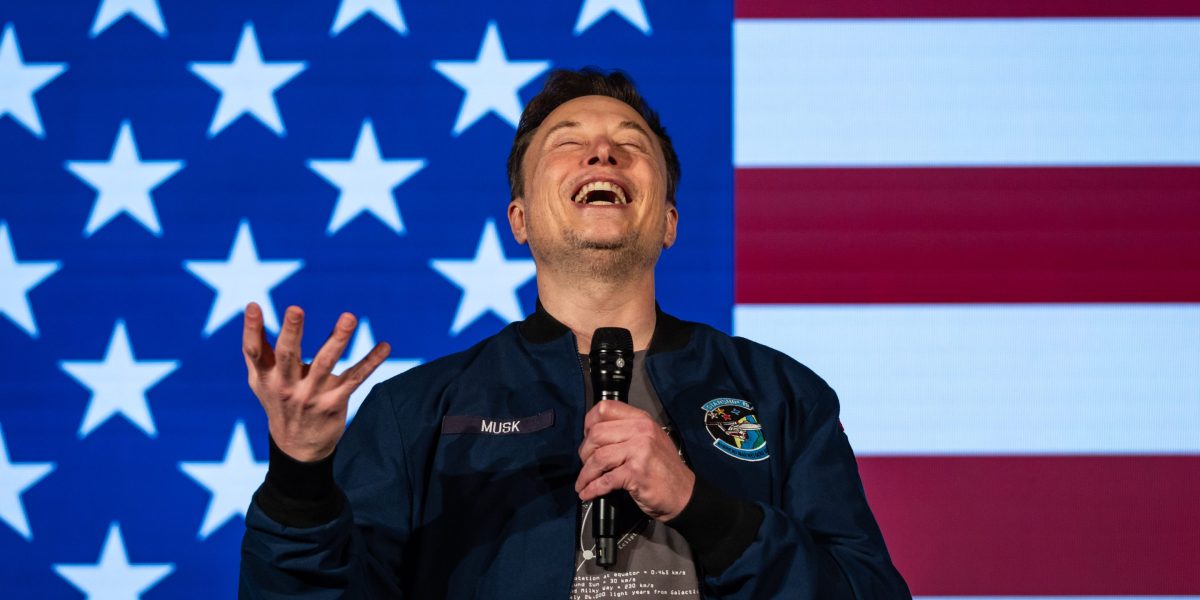
This provides early investors with a clear exit strategy, though it leaves public shareholders with limited influence. Because of a dual-class stock structure, Elon Musk will retain roughly 82.4 percent of the voting rights. This control allows him to elect or eject the majority of the board, effectively rendering SpaceX a “controlled company” exempt from standard Nasdaq governance rules.
Looking Toward the June 12 Debut
cluster (priority): Fortune
As the June 12 trading date approaches, the market is bracing for a “hot IPO summer,” with companies like Anthropic and OpenAI rumored to be next in line. The central question for Wall Street is whether there is sufficient liquidity in the public markets to absorb these massive capital calls.
For now, prospective shareholders must weigh the vision of a multiplanetary future against the immediate financial performance of the firm. While some retail investors remain hopeful, many are choosing to wait for the volatility to subside. As Neil Rozenbaum noted, “Would I want to own SpaceX eventually? Yes, but probably not on day one.” The coming weeks will determine whether the market’s appetite matches the scale of Musk’s ambitions.