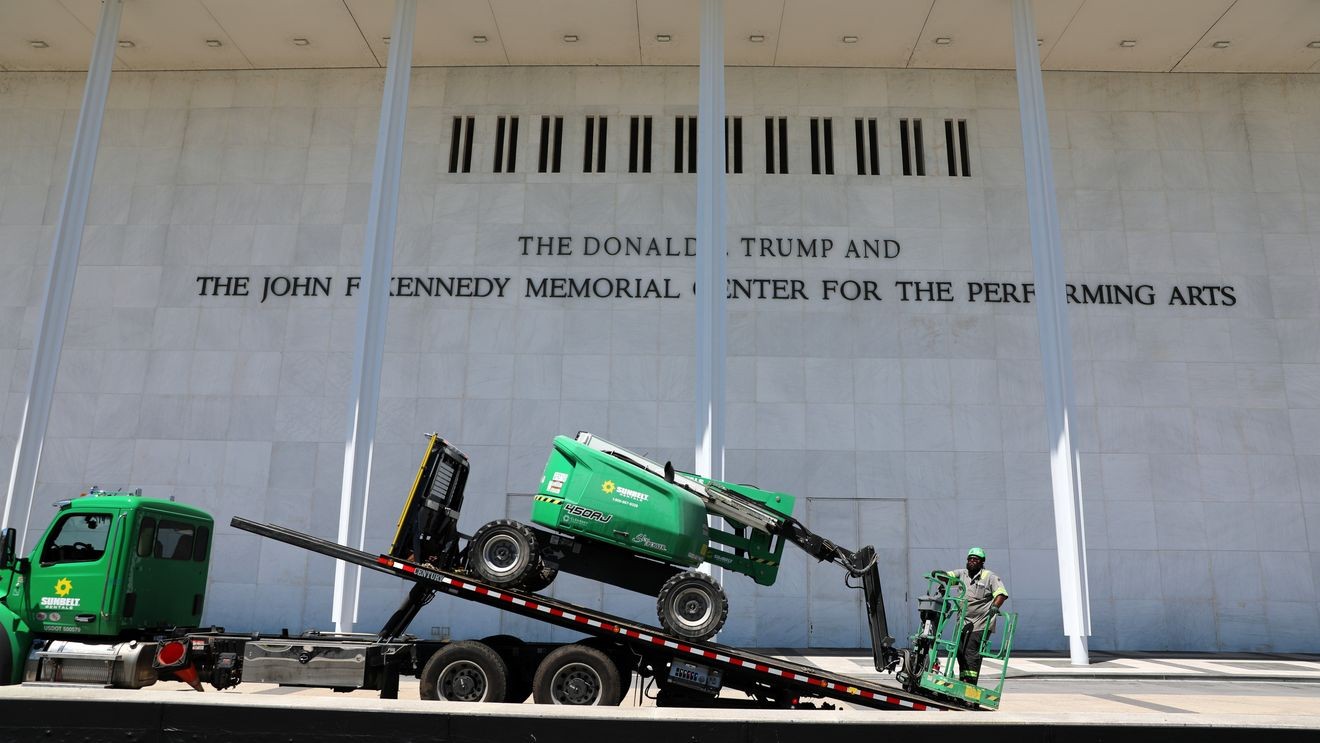
The Kennedy Center is removing references to President Donald Trump after a federal judge ruled his name was illegally added to the performing arts institution, with staff required to update documents by June 12, 2026, per a memo from the center’s Office of General Counsel. The ruling, issued by U.S. District Judge Christopher Cooper on May 29, also blocked the administration from closing the venue for renovations, marking a legal setback for Trump’s efforts to reshape Washington’s landmarks. The president, who had previously rebranded the center as the “Trump Kennedy Center,” accused the judge of being an “anti-Trump Hater” and predicted the venue would “soon be closed, probably never to open again.”
Legal Battle Over the Name: What the Court Ruled
The court’s decision centered on the legal authority to rename the Kennedy Center. Judge Cooper’s 94-page opinion stated that Congress, not a private board, holds the power to alter the institution’s name, citing that “Congress gave the Kennedy Center its name, and only Congress can change it.” The judge ruled that the board’s 2023 decision to add Trump’s name violated the original 1964 legislation establishing the center, which designates it as “The John F. Kennedy Center for the Performing Arts.”
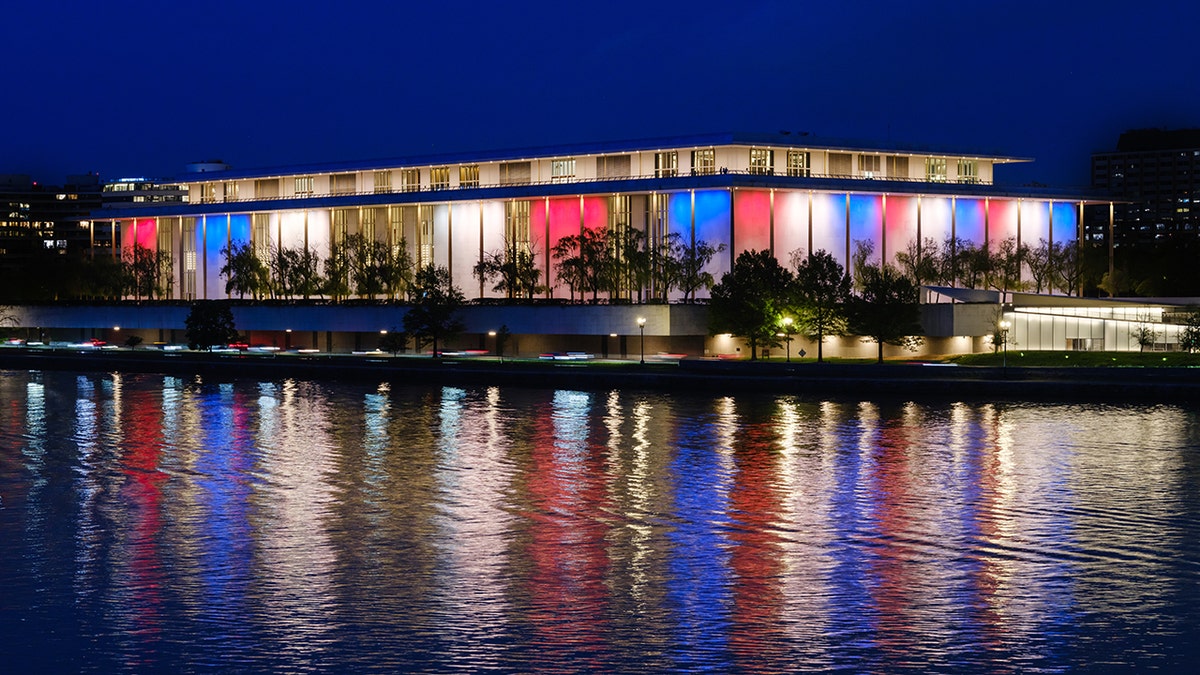
“The law makes crystal clear that the Center is to be named for President Kennedy, and it cannot bear any other formal name or public memorial based on the Board’s unilateral say-so,” Cooper wrote. The ruling ordered the center to remove all references to “Trump Kennedy Center” or “Donald J. Trump and John F. Kennedy Memorial Center for the Performing Arts” by June 12. The directive also mandates updating signage, website content, and internal documents, including email signatures and letterhead, to reflect the original name.
The Kennedy Center’s vice president of public relations, Roma Daravi, acknowledged compliance with the court’s order but emphasized the institution’s intent to “evaluate all legal options to preserve this revitalization and recognize President Trump’s leadership.”
Trump’s Response: From Legal Pushback to Public Outcry
Hours after the ruling, Trump signaled a shift in strategy, stating he would “instruct the Department of Commerce to make all necessary arrangements with Congress to allow a full and complete transfer of this Institution, giving them the responsibility for its Operation, Maintenance, and Management.” This move appeared to concede control of the center to Congress, which has historically overseen its annual funding and operations.
On social media, Trump lambasted the court’s decision, calling Judge Cooper an “anti-Trump Hater” and claiming the Kennedy Center would “soon be closed, probably never to open again.” His rhetoric mirrored broader frustrations with recent legal defeats, including the Supreme Court’s rejection of his tariffs in February. “It’s impossible for me to be treated fairly,” Trump wrote, tying the ruling to his broader narrative of systemic bias against him.
The president’s actions also extended beyond the Kennedy Center. On June 5, 2026, his administration announced completion of renovations to the Lincoln Memorial Reflecting Pool, which he had painted “American flag blue.” The White House East Wing was demolished to make way for a new ballroom, and Trump plans to construct a 250-foot arch between the Lincoln Memorial and Arlington National Cemetery, a project that has drawn criticism for its scale and cost.
Broader Implications: The Kennedy Center’s Role in Washington’s Landmarks
The legal dispute over the Kennedy Center’s name reflects a broader pattern of Trump’s efforts to imprint his legacy on Washington’s cultural and historical institutions. The center, originally established in 1964 as a tribute to President John F. Kennedy, has become a flashpoint in the debate over how public spaces should reflect political figures. Its name change under Trump’s administration was part of a broader trend of rebranding landmarks, including the proposed “Trump Tower” for the National Archives and the renaming of the Department of Transportation as the “Department of Trump’s Transportation.”
The court’s ruling underscores the legal boundaries of executive authority over federal institutions. While Trump’s administration has sought to expand its control over agencies and boards, the Kennedy Center case highlights the limits of such efforts. “The court’s decision reinforces that Congress holds the constitutional authority to name federal institutions,” said legal analyst Sarah Lin of the Brookings Institution, citing the 1964 legislation that established the center. “This isn’t just about a name—it’s about the separation of powers and the rule of law.”
The outcome also raises questions about the long-term fate of the Kennedy Center. While Trump has distanced himself from the venue, his administration’s previous plans to close it for a two-year overhaul remain on hold. The center’s leadership has not yet outlined a clear path forward, but the June 12 deadline for name changes suggests a focus on immediate compliance rather than long-term strategy.
Reactions and Next Steps: What Comes Next?
The ruling has sparked mixed reactions. Supporters of the decision argue that the Kennedy Center’s original name is a constitutional imperative, while critics view the court’s intervention as an overreach into executive authority. “This is about preserving the integrity of federal institutions,” said Rep. Emily Carter (D-NY), a member of the House Committee on Education and Labor. “The name of the Kennedy Center is not a political tool—it’s a historical legacy.”
Meanwhile, Trump’s allies have framed the case as part of a broader “witch hunt” against the administration. “This is the same playbook as the Mueller investigation,” said former White House advisor Michael Pence. “The courts are being used to undermine the will of the people.”
Looking ahead, the Kennedy Center’s board faces pressure to navigate the legal and political fallout. With the June 12 deadline approaching, staff are scrambling to update internal documents and signage. The center’s future remains uncertain, but the court’s ruling has set a clear legal precedent: the name of the Kennedy Center will revert to its original designation, at least for now.
As the 2026 election season intensifies, the case may serve as a cautionary tale for future administrations seeking to reshape federal institutions. For now, the Kennedy Center’s name remains a symbol of the ongoing struggle between executive power, congressional authority, and the legacy of the past.
<a href="https://wjla.
