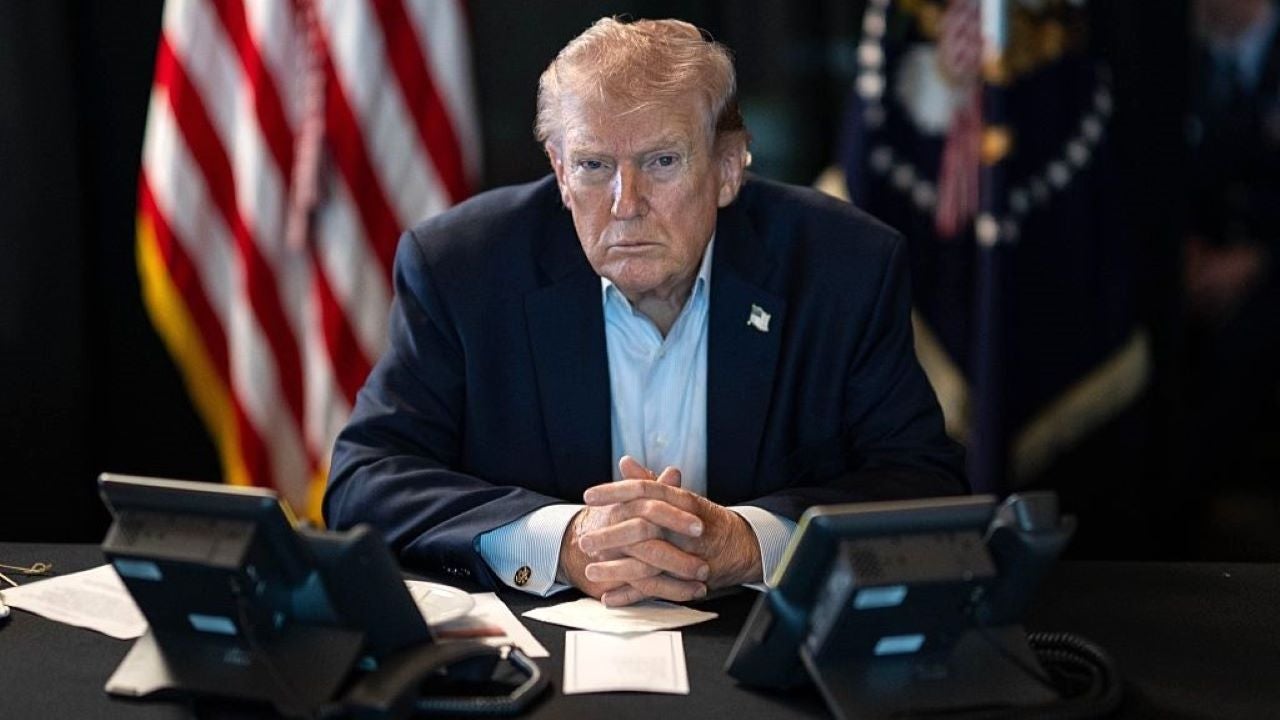
Oil prices plummeted over 6% on Thursday after President Donald Trump signaled U.S.-Iran negotiations were in the final stages, though market uncertainty persisted amid ongoing supply disruptions in the Middle East. Brent crude fell $6.64, or 5.97%, to $104.64 a barrel, while U.S. West Texas Intermediate dropped $6.49, or 6.23%, to $97.66, according to The Guardian.
Trump’s Diplomatic Pause and Market Volatility
Trump’s remarks on Wednesday, which came after he halted imminent airstrikes on Iran to allow more time for diplomacy, sparked a sharp sell-off in oil markets. The president emphasized that negotiations were “in the final stages” but warned of potential military action if Iran failed to provide “100% good answers.” “We’re all ready to go,” he told reporters, adding, “If I can save war by waiting a couple of days, if I can save people being killed by waiting a couple of days, I think it’s a great thing to do.” CNBC reported the comments, which coincided with a 2% decline in U.S. crude to $96.35 per barrel.
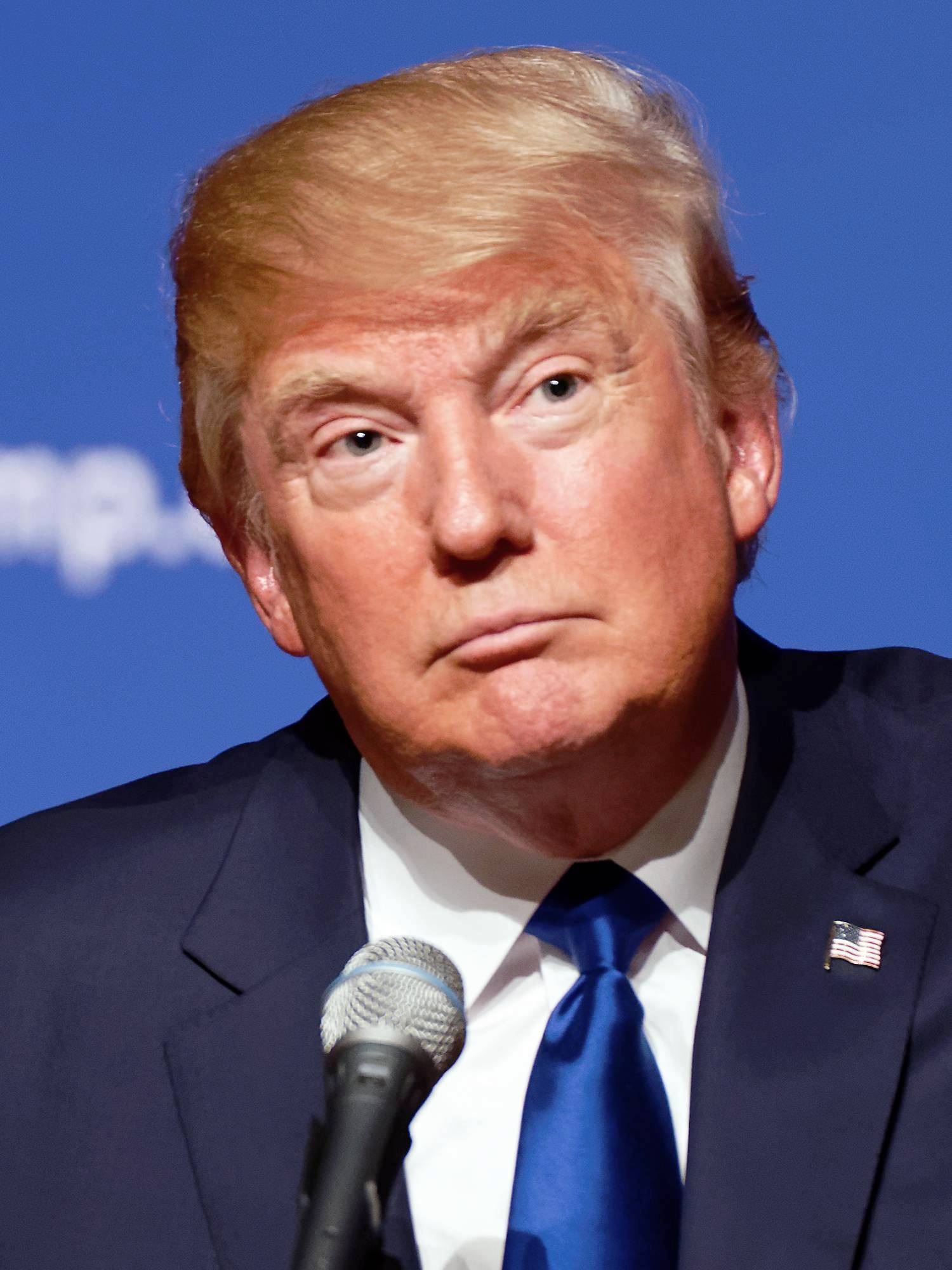
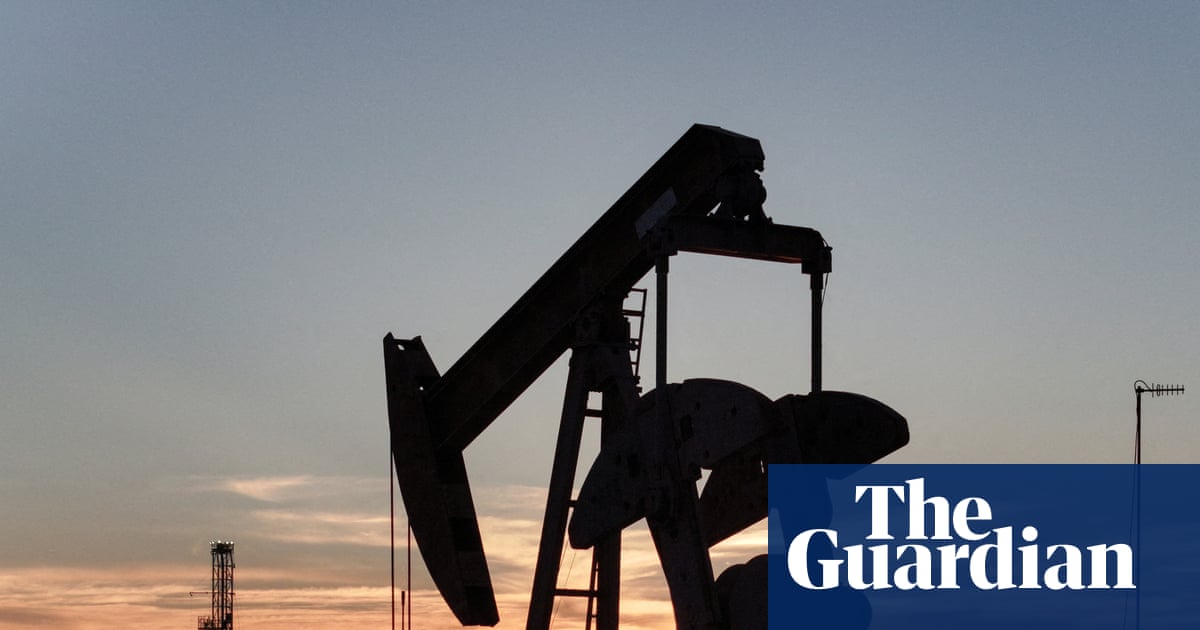
The price swings reflected investor anxiety over the potential for renewed conflict, even as Trump’s pause offered a temporary reprieve. The International Energy Agency (IEA) warned that global oil markets could enter a “red zone” this summer if the Strait of Hormuz, a critical trade route, remained closed. “Global oil stockpiles will deplete as demand picks up during summer travel,” IEA chief Fatih Birol stated, per CNBC. Ship traffic through the strait remains severely disrupted, with only three supertankers passing through on Wednesday after waiting over two months for clearance.
Iran’s Military Resilience and Expert Assessments
While Trump’s diplomatic overtures eased immediate price pressures, defense experts raised doubts about Iran’s ability to rapidly rebuild its military arsenal. Draganfly CEO Cameron Chell, citing U.S. intelligence assessments, told Fox News that Iran’s missile production had been “severely crippled” by recent strikes. “It’s probably more than six months at the very minimum to be able to produce something again,” Chell said, adding that any resumption of production would rely on “overt supply and overt manufacturing, all of which would be substandard or subpar.”
Chell’s comments countered a CNN report suggesting Iran had restarted some weapons production during the six-week ceasefire. However, he emphasized that only “less sophisticated drones” like the Shahed 136 and 139 could be replenished at scale, not precision-guided missiles. The White House dismissed the CNN report as “fake news,” with Pentagon Press Secretary Joel Valdez accusing the outlet of “painting Operation Epic Fury as anything other than a historic accomplishment.”
Analysts’ Warnings and Price Projections
Despite the short-term price drop, analysts warned that global oil markets remain vulnerable to prolonged supply shocks. Citi analysts predicted Brent crude could rise to $120 a barrel in the near term, citing underpriced risks of extended disruptions. Wood Mackenzie estimated prices might approach $200 if the Strait of Hormuz remained closed through year-end. “The market is underpricing the risk of prolonged supply disruption,” Citi stated, per The Guardian.

The premium on Brent contracts for near-term delivery over longer-dated contracts— a key indicator of supply tightness—remained at $20 a barrel, far below last month’s $35 highs. Russian Deputy Prime Minister Alexander Novak also signaled shifting dynamics, noting that some countries were easing sanctions on Russian oil as global markets “cannot function without it,” according to The Guardian.
What’s Next for Markets and Diplomacy?
The coming weeks will test whether Trump’s diplomatic push can translate into a durable peace. Iran’s foreign ministry spokesperson, Esmaeil Baghaei, claimed the country was “ready to develop protocols for safe shipping traffic,” but provided no specifics. Meanwhile, the U.S. military remains on standby, with Trump’s “all ready to go” rhetoric underscoring the fragile balance. “You’ve got to take all these pronouncements with a grain of salt,” said John Kilduff of Again Capital, The Guardian reported. “But the market was also quick to reward it and price in the hope of a resolution.”
