
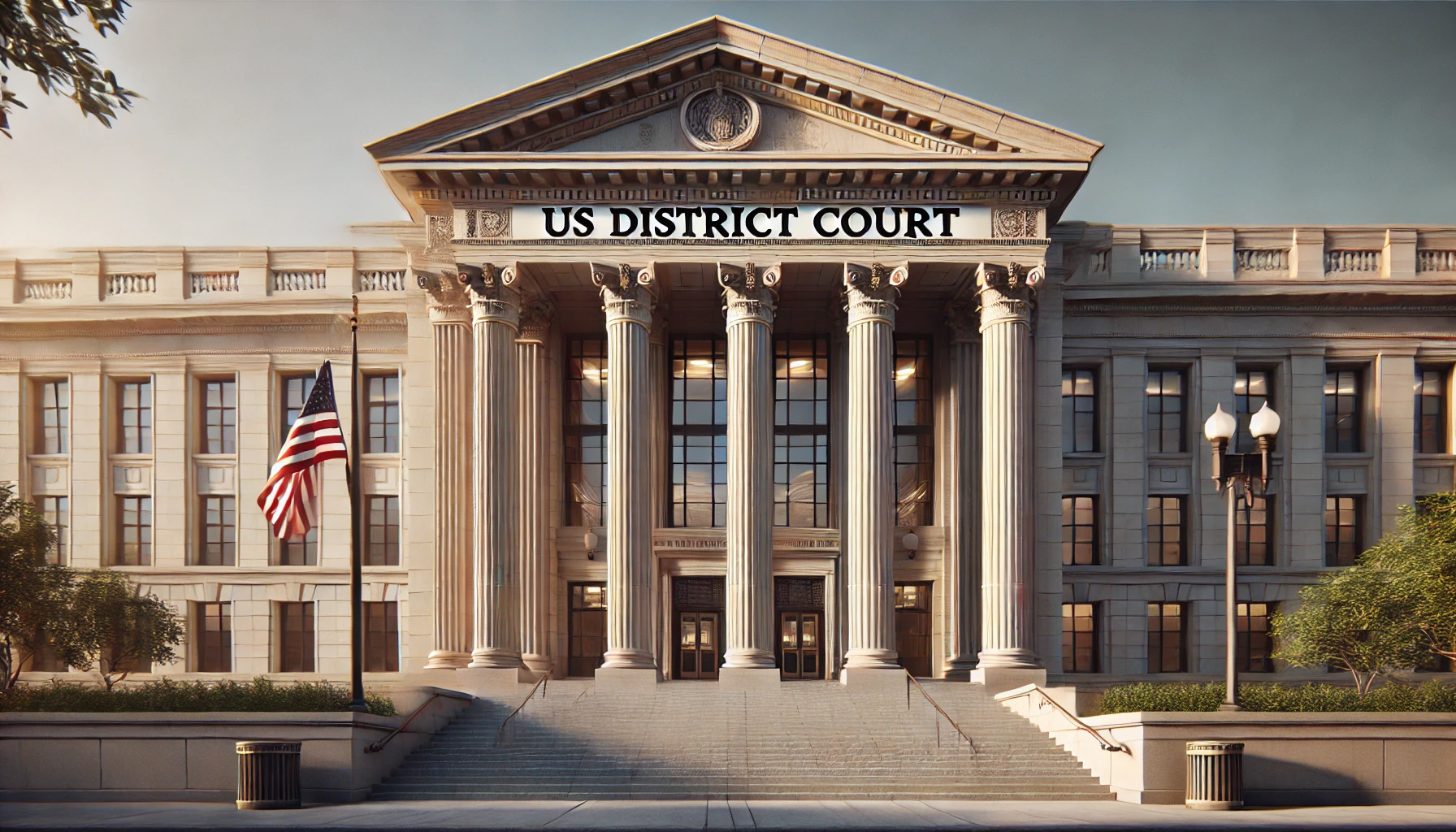
A U.S. federal judge in Providence, Rhode Island, struck down a Trump administration policy on Friday, June 5, 2026, that had blocked immigrants from 39 countries from receiving decisions on asylum, work permits, and green cards. The ruling declares the agency’s processing holds unlawful, arbitrary, and contrary to established federal immigration statutes.
Judicial Scrutiny of USCIS Processing Freezes
U.S. District Chief Judge John McConnell Jr. issued a sharp rebuke of the U.S. Citizenship and Immigration Services (USCIS) in his Friday ruling. The decision targets a series of policies implemented by the agency starting in November 2025, which effectively froze the processing of immigration benefit applications for nationals from 39 countries across Africa, Asia, Latin America, and the Middle East. These nations were previously identified by the administration for full or partial travel bans, citing security and vetting concerns.
In his written opinion, Judge McConnell—who was appointed by Barack Obama—argued that the agency’s internal directives had created an untenable situation for thousands of applicants. As reported by the Dallas News, the judge stated that the policies had effectively “threw the lives of countless immigrants living in the United States into indeterminate legal limbo.”
Court Findings on Administrative Overreach
The court’s decision is broad, impacting all pending USCIS cases for individuals from the affected countries, regardless of whether they were named plaintiffs in the lawsuit. According to The Guardian, the lawsuit was brought in March 2026 by a coalition of labor unions and immigrant advocacy groups. The judge found that the government’s justifications for the delays—often framed as national security matters—were pretextual and designed to mask anti-immigrant sentiment.
Judge McConnell’s ruling emphasized that the delay in processing was not the fault of the applicants, who had otherwise complied with the law. He wrote:
“In legal terms that means USCIS’s actions are contrary to law and arbitrary and capricious.” — Judge John McConnell Jr., U.S. District Chief Judge
The judge further noted that the agency had failed to provide reasoned explanations for the holds, ignoring the reliance interests of those seeking legal status. He characterized the agency’s conduct as a violation of both the specific immigration laws passed by Congress and the administrative laws governing federal agency actions.
Advocacy Responses to the Judicial Victory
Organizations involved in the litigation hailed the decision as a necessary check on executive power. Skye Perryman, the president and CEO of Democracy Forward, which represented the plaintiffs, framed the ruling as a victory for the rule of law.
“This ruling reaffirms a basic principle: the federal government cannot shut down lawful immigration pathways or discriminate against people based on where they come from.” — Skye Perryman, president and CEO of Democracy Forward
The New York Immigration Coalition (NYIC) also issued a statement following the ruling. Murad Awawdeh, the organization’s president and CEO, argued that the Trump administration had acted with “anti-immigrant malice” and noted that the ruling confirmed the government’s failure to grant fair hearings to those seeking safety and stability.
Operational Challenges for Federal Immigration Authorities
While the ruling provides a clear legal victory for the plaintiffs, the operational path forward remains complex. The Department of Homeland Security (DHS) did not immediately respond to requests for comment regarding how it intends to comply with the order or whether the agency will seek an appeal.
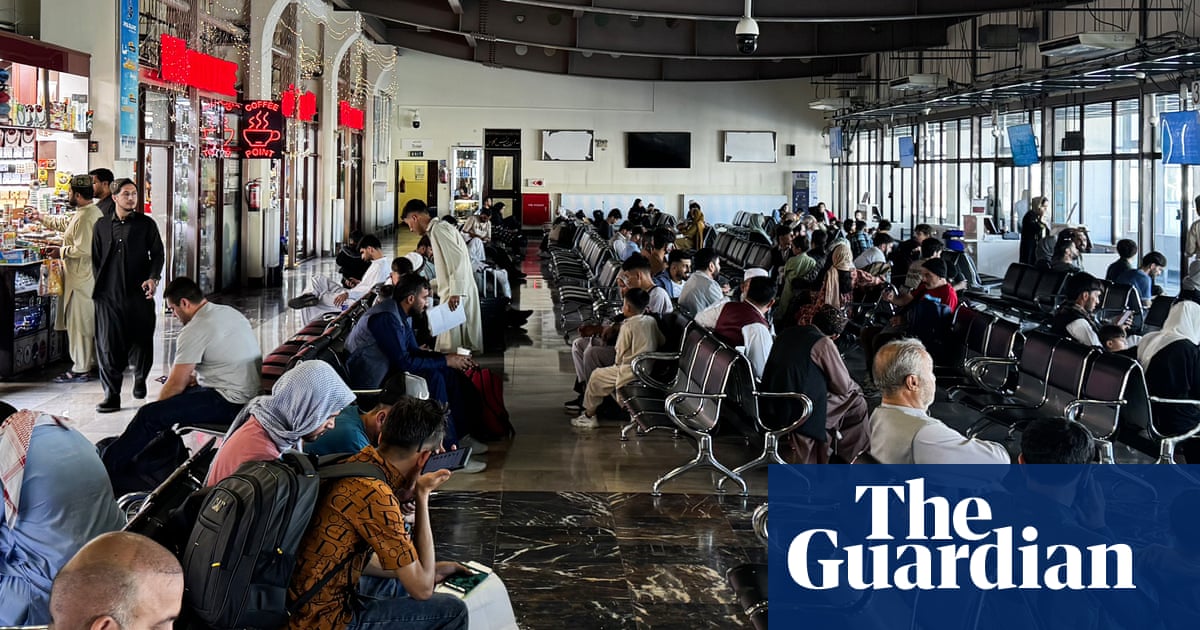
The ruling specifically addresses USCIS processing, which handles applications for work permits, citizenship, and asylum for individuals already present in the U.S. It does not alter the status of those stopped at the border, whose cases are handled by immigration judges. As legal teams prepare to assess the full impact, the decision serves as a significant hurdle for the administration’s ongoing immigration crackdown, which saw further legislative support in the Senate on the same day the ruling was handed down. For now, thousands of applicants who have been “stuck waiting, for months on end, for benefit requests that USCIS refuses to adjudicate” remain in a state of administrative flux until the agency formally updates its processing procedures in light of the court’s order.
