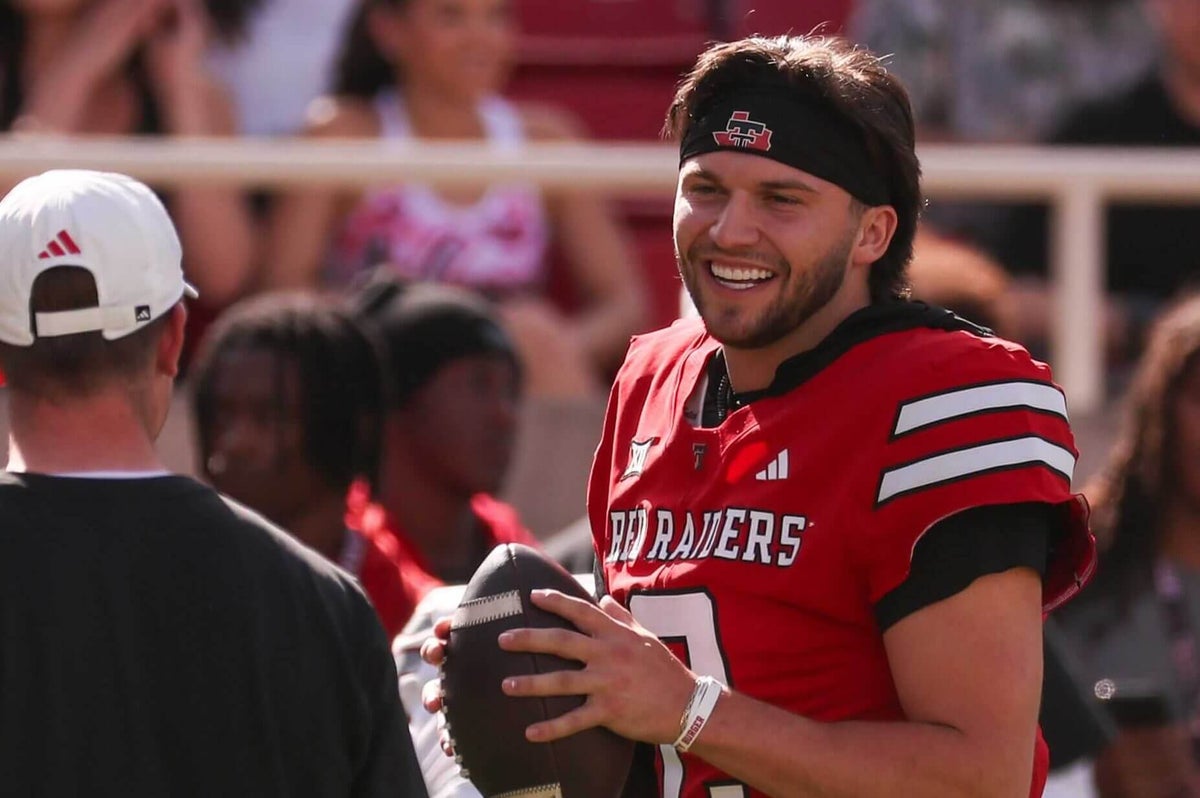
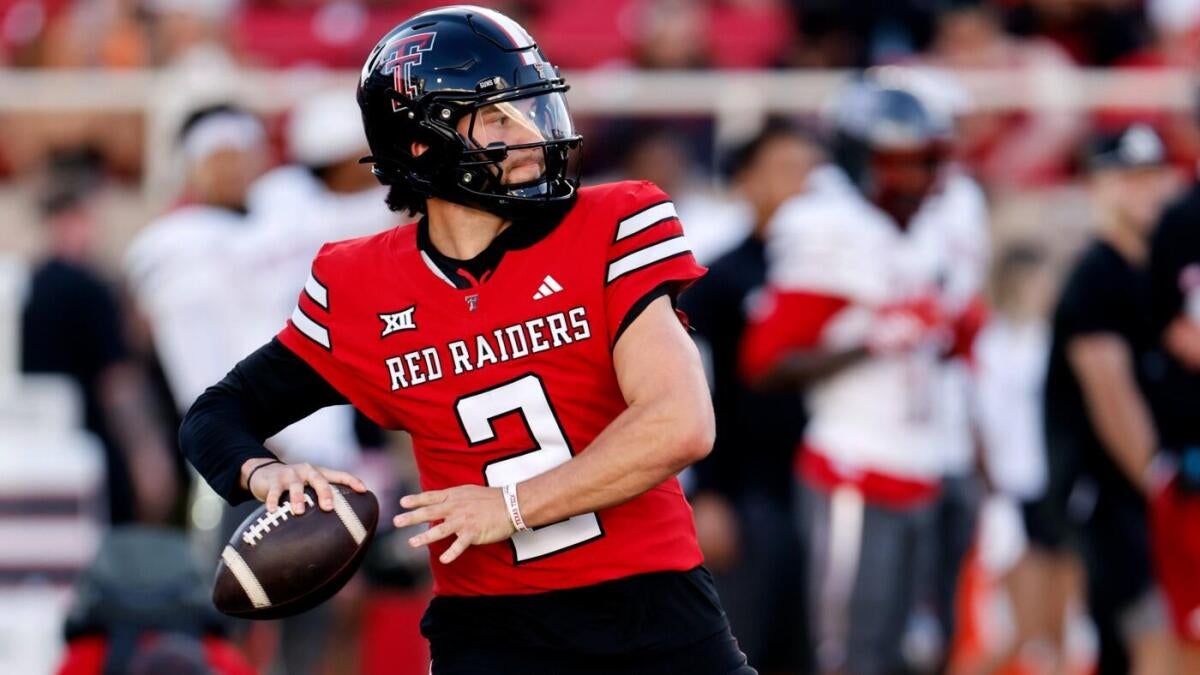
Texas Tech quarterback Brendan Sorsby formally entered the NFL supplemental draft on Tuesday, June 16, 2026, after the university informed him he would not be permitted to play during the 2026-27 season. The decision follows a legal dispute involving the NCAA and a temporary injunction that had briefly restored his eligibility.
The Legal Collapse and Texas Tech’s Ultimatum
The path to the supplemental draft opened not through a planned career move, but through a definitive ultimatum from Texas Tech. According to reporting by NBC Sports, official paperwork filed to dismiss Sorsby’s lawsuit against the NCAA revealed that the university contacted the quarterback on June 15, 2026. The school stated that despite a local judge’s temporary injunction allowing him to participate, the university would not field him for the upcoming season.
“On June 15, 2026, Plaintiff was informed by Texas Tech that, notwithstanding the Temporary Injunction Order, the University would not permit Plaintiff to play for his football team during the 2026-27 football season, thereby rendered the relief afforded by the Temporary Injunction Order moot.”
Photo: CBS Sports
Brendan Sorsby’s legal counsel, via NBC Sports
This decision came shortly after the Big 12 filed a federal lawsuit in Dallas, seeking the authority to sanction Texas Tech if the school played Sorsby. Faced with the threat of conference-level penalties, Texas Tech effectively ended Sorsby’s tenure before it began, leaving the player with no remaining path to collegiate participation. In the landscape of modern collegiate athletics, conference governance frequently dictates roster eligibility, and individual institutions are often bound by the collective bylaws of their conference partners to avoid internal sanctions, fines, or loss of postseason revenue.
Financial Stakes and Contractual Realities
Sorsby’s transition to the professional level carries significant financial implications. While Texas Tech previously secured Sorsby with a $5 million NIL deal, his earnings in the NFL will be determined by the mechanics of the supplemental draft. As CBS Sports reports, if a team selects Sorsby in the second round—using a pick equivalent to the slot held by Eli Stowers—he would be eligible for a four-year contract totaling $8,892,964.
The structure of such a deal is highly specific: $7,277,752 would be fully guaranteed, featuring a $2,927,608 signing bonus. The only non-guaranteed portion of that hypothetical contract would be $1,615,212 of his $2,097,678 base salary for 2029. Given that Sorsby has already received approximately $2 million from his Texas Tech NIL agreement, he faces a complex financial recovery as he attempts to break even against his lost collegiate earnings. The supplemental draft is unique in that it functions as a mechanism for players who were not eligible for the primary April draft but have since become available; teams that select a player in this process must forfeit a pick in the corresponding round of the following year’s standard NFL Draft, a high cost that makes teams extremely selective.
Gambling Violations and Recovery Concerns
The catalyst for this entire saga remains Sorsby’s history of sports gambling. Investigations found that Sorsby placed 9,000 bets totaling approximately $90,000 during his four-year college career, including wagers on Indiana football games during his 2022 freshman season. The New York Times notes that Sorsby has been receiving treatment for a gambling addiction, a factor that complicated the public and institutional support for his return to the field.
Jon Gruden Shares Thoughts On Brendan Sorsby Leaving Texas Tech
Medical professionals specializing in gambling addiction have expressed concern regarding the timing of a return to high-pressure environments. While Sorsby’s legal team argued that removing him from the structure of a football team could be detrimental, critics of Texas Tech’s initial decision to support his eligibility—including university officials like coach Joey McGuire and athletic director Kirby Hocutt—faced intense scrutiny for prioritizing on-field prospects over the recovery of a student-athlete under duress. Under NCAA rules, gambling on one’s own sport or involving one’s own institution is treated as a severe integrity violation, which historically triggers multi-year suspensions or permanent loss of eligibility. The complexity of Sorsby’s case was exacerbated by the shift in the legal landscape regarding athlete compensation and the jurisdictional tug-of-war between state courts, the NCAA, and the Big 12 conference.
What Follows the Supplemental Draft
The NFL supplemental draft is scheduled to occur no later than July 16, 2026, ahead of the league’s training camps. Sorsby has already set a pro day for July 10 at Carroll High School in Southlake, Texas. If he goes undrafted, he will become a free agent, though analysts remain skeptical that any team will forfeit a high draft pick for a player with his recent history. The league has not selected a quarterback in the supplemental draft since 2011, and the presence of a strong 2027 quarterback class may further limit his professional prospects.
For an NFL team, the evaluation of a supplemental draft candidate goes beyond raw physical talent. Scouts must weigh the player’s potential against the “opportunity cost” of losing a future draft pick. Furthermore, the league’s personal conduct policy requires teams to perform extensive due diligence on any player with a history of disciplinary or legal issues. For Sorsby, the Pro Day in Southlake represents his final opportunity to prove to NFL organizations that he is not only physically prepared for the speed of the professional game but also that he has addressed the underlying behavioral issues that led to his departure from the college ranks. Should he fail to be selected, he would have to compete for a roster spot as an undrafted free agent, a path that typically offers significantly less guaranteed money and lower job security than the supplemental draft route.
Aaron Patel leads the Sports Desk, covering global tournaments and athlete profiles. Formerly with Sports Now Online, he has reported from the Olympics and FIFA World Cup. His editorial leadership emphasizes integrity, sportsmanship, and human stories behind the scores.