
The 2026 NBA Draft concluded its first round on June 23 at Barclays Center in Brooklyn, featuring high-profile selections including AJ Dybantsa at No. 1 by the Washington Wizards. Broadcast across ABC and ESPN, the event followed a series of league-wide trades, with analysts noting an unusually stable and predictable draft class.
A Predictable First Round and League-Wide Trends
The 2026 NBA Draft unfolded with a level of consensus rarely seen in recent years. According to reporting from The New York Times, 28 of the top 30 ranked prospects were selected within the first 30 picks, and every selection made during the opening round aligned with established scouting expectations. This lack of draft-night volatility stood in stark contrast to previous years, where unexpected trades or reach picks frequently disrupted the board. In the modern NBA landscape, the draft serves as the primary mechanism for team-building, governed by the league’s Collective Bargaining Agreement, which dictates rookie scale contracts and salary cap slots. The predictability observed in 2026 reflects a broader trend where front offices utilize advanced analytics and proprietary databases to minimize the variance traditionally associated with amateur talent evaluation.
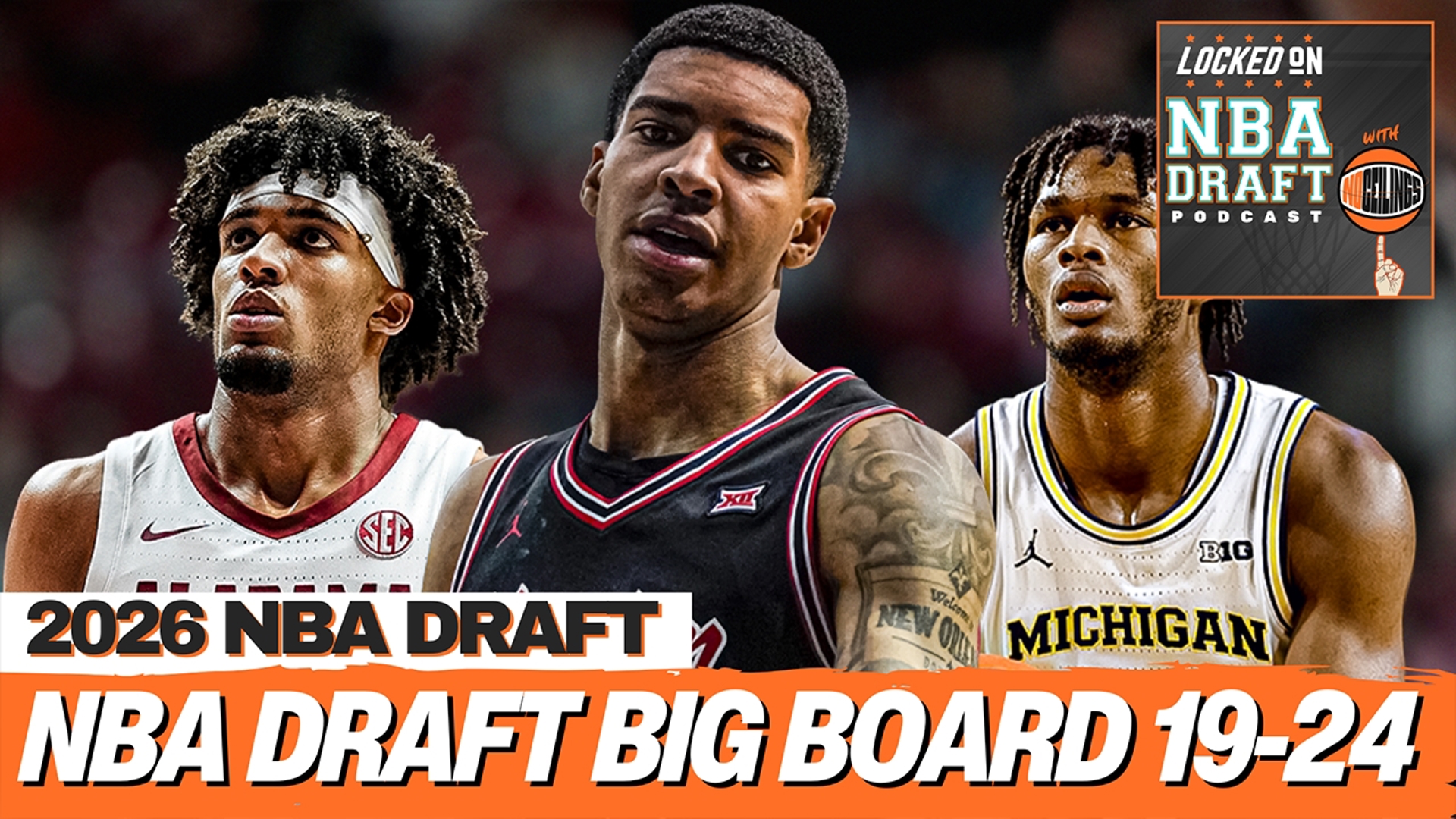
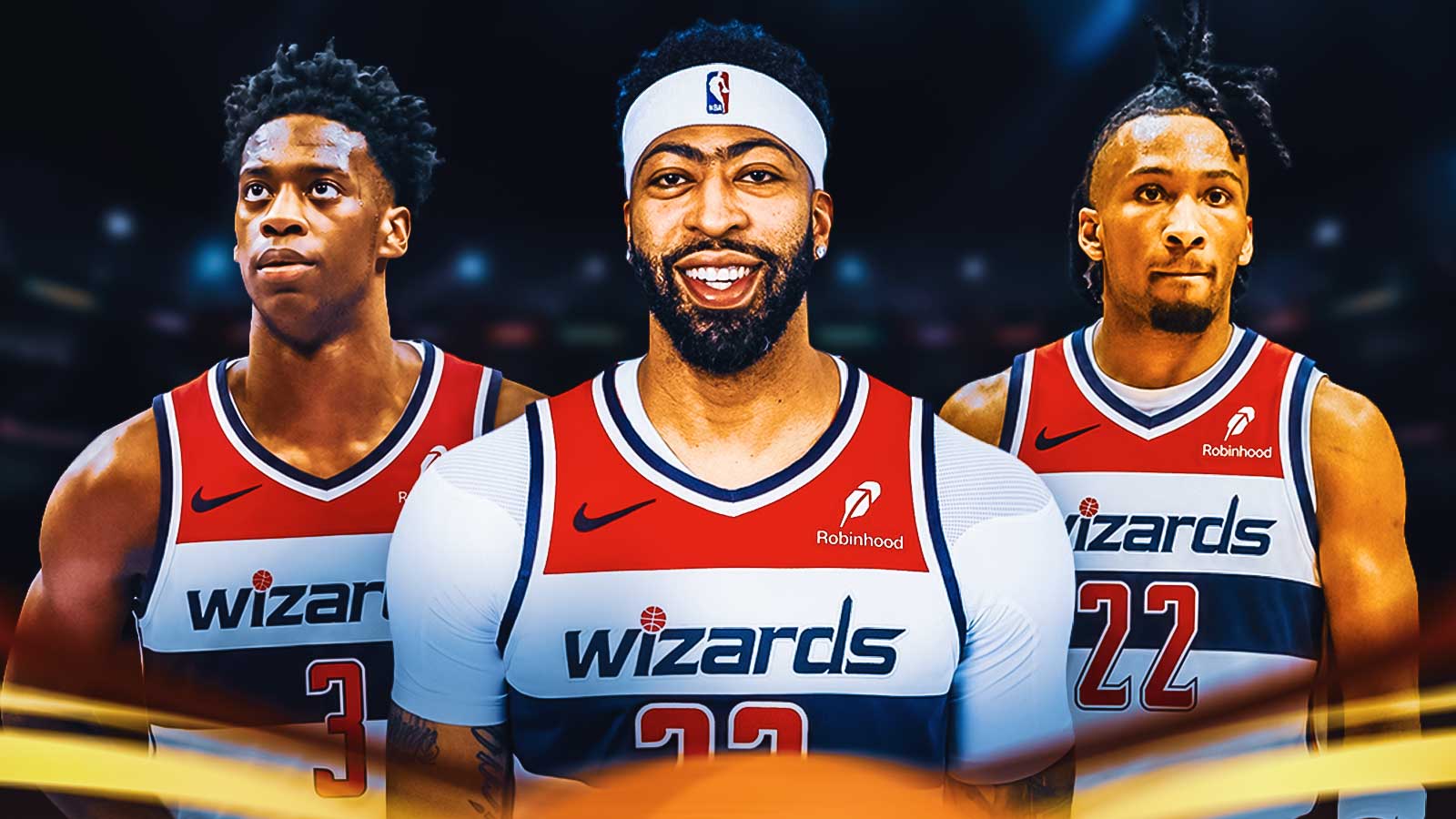
Analysts suggest several factors may be driving this increased efficiency. The integration of name, image, and likeness (NIL) rights in college basketball has fundamentally altered how elite prospects navigate the draft-decision process, effectively narrowing the pool of top-tier talent. Some observers also point to a more sophisticated league-wide scouting ecosystem that leaves fewer marginal efficiencies for teams to exploit on draft night. The event was further shaped by significant roster moves occurring just prior, including the trades of Giannis Antetokounmpo and Julius Randle, which cooled the market for further high-stakes maneuvering. These moves, which shifted the competitive landscape of the Eastern and Western Conferences, meant many teams entered the draft with a clearer understanding of their immediate personnel needs rather than scrambling to fill unexpected vacancies.
For more on this story, see AJ Dybantsa Selected No. 1 Overall as Freshmen Dominate 2026 NBA Draft Round 1.
Top Prospects and Strategic Team Fits
The draft’s top tier featured a cohort of players identified by analysts as particularly high-impact. The Washington Wizards selected AJ Dybantsa with the first overall pick, a move designed to address the team’s struggles with rim pressure and free-throw generation. The Wizards finished the previous season 27th in the league in free-throw rate and 30th in defensive rebounding, making Dybantsa’s physical profile a functional necessity for the roster. His arrival is expected to coincide with the team’s upcoming Summer League schedule, where he will begin the transition to the professional pace and defensive intensity required in the NBA.
Other notable selections included Darryn Peterson, who was taken No. 2 by the Utah Jazz. The Jazz prioritized Peterson to serve as a secondary ballhandler alongside Keyonte George, filling a void in their backcourt rotation. The Chicago Bulls and Memphis Grizzlies also secured top-tier talent, rounding out a group of four prospects—Dybantsa, Peterson, Cameron Boozer, and Caleb Wilson—that analysts described as the deepest top-four class in over a decade. By securing these high-ceiling prospects, these organizations aim to bolster their depth charts ahead of the 2026-27 regular season, with most of these draftees expected to sign standard four-year rookie contracts that include team options for the third and fourth years.
This follows our earlier report, NBA Draft 2026: Why Teams Traded Out to Avoid the Second Apron Salary Penalty.
Broadcast Coverage and Platform Access
The 2026 draft was presented through a joint broadcast effort by ABC and ESPN, providing both narrative-focused and data-driven coverage. As ABC reported, the network’s presentation centered on the human elements of the draft, including draftee stories, family reactions, and the emotional weight of the evening. Hosted by Kevin Negandhi, the ABC broadcast featured commentary from Kenny Smith, Jay Williams, and Richard Jefferson.
Complementary coverage on ESPN provided a more technical focus, led by Malika Andrews. The ESPN team, which included draft analysts Jay Bilas, Tim Legler, and Bobby Marks, focused on expert analysis and real-time insight into team decision-making. Viewers accessed the event via traditional television, the ESPN app, and live streaming options on ABC.com, which required authentication through participating television providers in major markets such as New York City, Los Angeles, and Chicago. This multi-platform approach is consistent with the league’s strategy to engage a younger, digitally-native demographic while maintaining the traditional broadcast reach that has defined NBA tentpole events for decades.
Read also: Wizards snag AJ Dybantsa as No. 1 in 2026 NBA Draft; top picks reshape rosters.
Looking Ahead: The Impact of Roster Stability
While the predictability of the first round provided a smooth experience for front offices, it raised questions about the future of roster construction. The scarcity of “chaos” in the draft—often fueled by aggressive trades—suggests that teams may be becoming increasingly risk-averse or better equipped to value assets accurately. For the league, this trend toward stability could mean fewer radical team transformations in the immediate future, shifting the focus of roster improvement toward marginal gains and long-term development rather than draft-night gambles. As teams prepare for the transition from the draft to free agency and the Summer League, the focus for these draftees shifts to integrating into their new systems and demonstrating their readiness for the rigorous 82-game regular season schedule.
Find more reporting in our Sports section.
