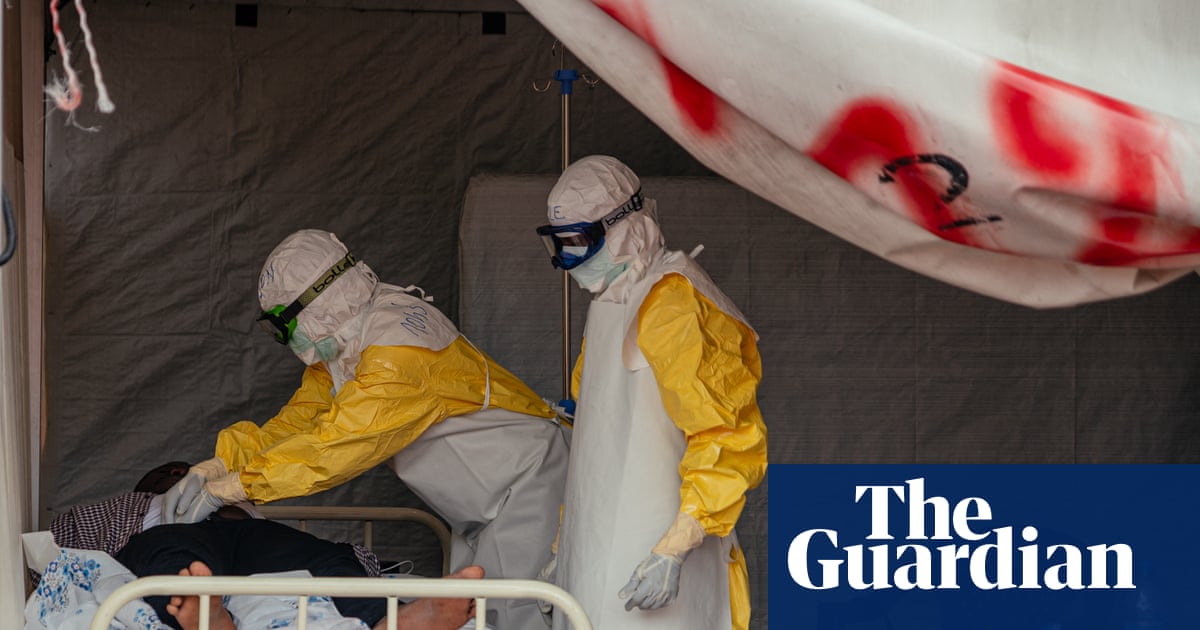
As of June 3, 2026, the Democratic Republic of the Congo’s Ebola outbreak has been linked to a possible start date as early as January, with the World Health Organization (WHO) acknowledging a “big head start” for the virus. The Bundibugyo strain has caused 344 confirmed cases and 60 deaths in DRC, alongside 15 confirmed cases and one death in Uganda, according to the WHO. However, the number of suspected cases in DRC dropped sharply from over 1,000 to 116, as officials worked through a testing backlog. The WHO’s Director-General, Dr. Tedros Adhanom Ghebreyesus, highlighted ongoing challenges including community mistrust, insufficient contact tracing, and restrictive travel policies. Meanwhile, frontline medics report that the outbreak may have been spreading undetected for months, with some patients opting for traditional healers over healthcare services.
Timeline of the Outbreak and WHO’s Assessment
The WHO acknowledged that the Ebola outbreak in DRC could have begun as early as January, giving the virus a “big head start.” Dr. Tedros Adhanom Ghebreyesus, WHO Director-General, stated that the response is “still behind” but “catching up,” citing the establishment of treatment centers in Ituri province. The first confirmed case was a nurse who visited a health center on April 24, though alternative scenarios—such as an origin in January, February, or March—remain under consideration. The WHO’s risk assessment remains “very high” nationally, “high” regionally, and “low” globally. However, the agency warned that the outbreak’s trajectory could worsen without improved containment measures.
The reduction in suspected cases from over 1,000 to 116 in DRC reflects efforts to clear a testing backlog, though some cases were ruled out as non-Ebola. In Uganda, 15 confirmed cases and one death were reported, including a Congolese resident who traveled to the UAE and then Uganda. The WHO is collaborating with Ugandan and UAE authorities to trace contacts and assess exposure risks. A U.S. citizen infected in DRC is receiving care in Germany, though the global risk remains low. Despite these efforts, Dr. Tedros emphasized that “the outbreak had a big head start, and we’re still behind.”
For more on this story, see CEPI Accelerates Bundibugyo Ebola Vaccine Race Amid DRC-Uganda Outbreak.
Community Mistrust and Response Challenges
Community mistrust is a critical barrier to containing the outbreak, with some leaders in DRC questioning the reality of Ebola. “Instead of coming to healthcare services, they take alternative solutions with traditional healers or other alternatives, and contribute further to spread the outbreak,” said Dr. Abdou Sebushishe, a medic with the International Medical Corps. He noted that only 25% of contacts with Ebola patients are being reached, and some individuals deny the virus exists. “My message is that Ebola is real,” he added, warning that the outbreak could take “beyond six months before this outbreak could be put under control.”
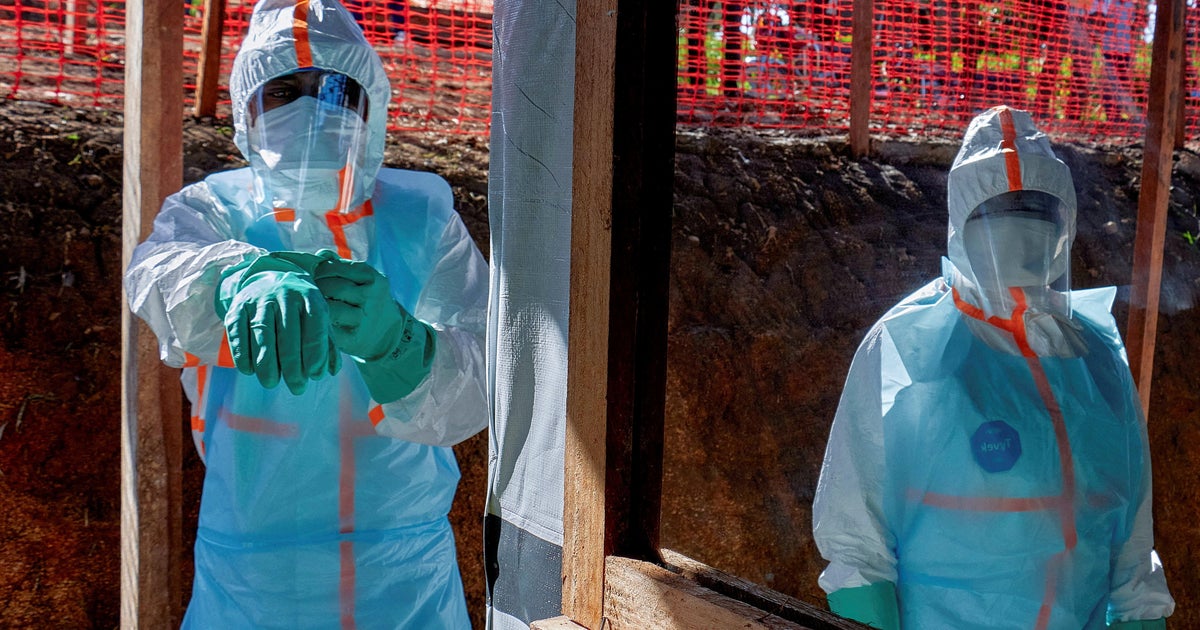
The WHO’s spokesperson, Christian Lindmeier, confirmed that many suspected cases were “cleared out” after testing ruled them out as other diseases or unlinked fevers. However, frontline medics argue that the outbreak likely began months earlier. The International Rescue Committee suggested the virus may have been spreading undetected since January, complicating containment efforts. Dr. Sebushishe also highlighted the lack of resources for healthcare workers, stating that 20% of new cases involve medical staff. “We need to scale up the protection of healthcare workers,” he said, stressing the need for more personal protective equipment (PPE) and logistical support.
Progress and Persistent Risks
Despite challenges, there are signs of progress. Six patients in DRC and two in Uganda have recovered, demonstrating that survival is possible with timely care. Nurse Etienne Ezo, who contracted Ebola while treating patients, described her experience: “I called the team and told them, ‘Something’s wrong here.’ I decided to rest for a bit, and a few minutes later I started vomiting.” She later recovered and received an Ebola survivor certificate from WHO officials. However, the agency warned that the response must accelerate, particularly in contact tracing, which currently reaches only 45% of contacts. “To get ahead of the outbreak, we need to get that number up to above 90%,” Dr. Tedros said.

The WHO is also working to decentralize laboratory capacity in priority areas, including Mongbwalu, Beni, and Aru, to improve case confirmation and response times. However, insecurity, displacement, and mobile populations in Ituri province hinder these efforts. Insecurity has also disrupted supply chains, with Dr. Tedros urging countries like the U.S. to lift blanket travel restrictions. “They are disrupting supply chains and hindering the response,” he said. The UK has launched a multi-hazard research network to provide rapid evidence on emerging crises, including the Ebola outbreak.
What Comes Next?
The coming weeks will determine whether the response can close the gap with the outbreak. Key priorities include expanding contact tracing, increasing laboratory capacity, and addressing community mistrust. The WHO has emphasized that “the outbreak is outpacing the current response,” but officials remain cautiously optimistic. Dr.
