The National Football League will not hold a supplemental draft in 2026, according to reporting from NFL Network. The decision effectively denies the application of quarterback Brendan Sorsby, who had sought entry into the league through the process. NFL teams were officially notified of the cancellation this week.
NFL Confirms Cancellation of 2026 Supplemental Draft
The league’s decision to bypass the supplemental draft this year leaves players who missed the primary spring selection process without a path to enter the NFL through this specific mechanism. While the supplemental draft has historically served as a secondary avenue for athletes who become eligible after the main draft concludes, the league holds the discretion to determine if such an event is necessary each year. Unlike the primary NFL Draft, which is a fixed annual event held in April, the supplemental draft is not guaranteed to occur.
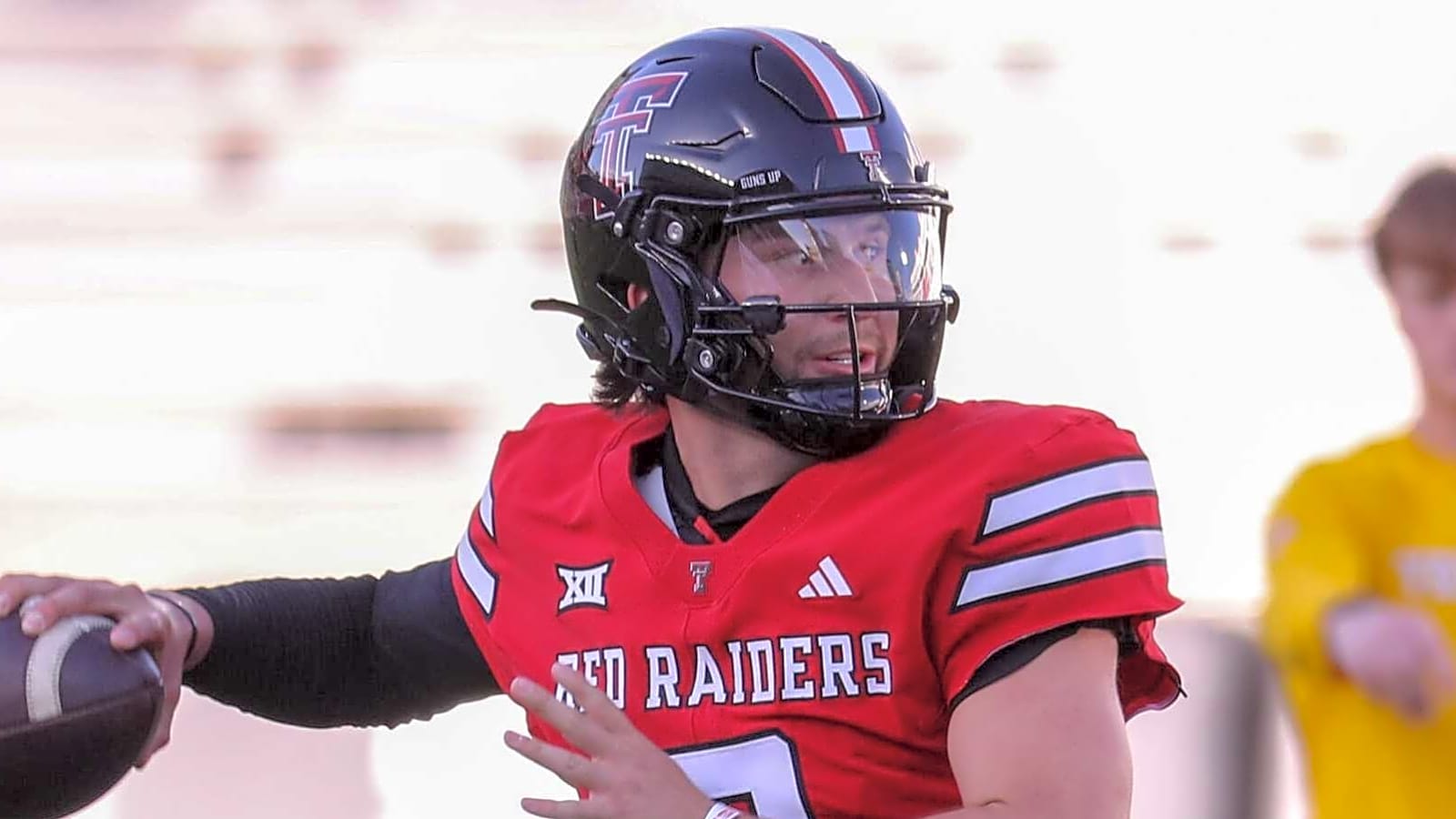
According to NFL Network, league officials informed all 32 teams that the 2026 supplemental draft would not take place. This announcement confirms that Brendan Sorsby, who had applied for the draft, will not have the opportunity to be selected via this route. The league did not provide a public rationale for the decision beyond the notification to teams. Under current league rules, a player like Sorsby—who may have faced changing collegiate circumstances or late-developing eligibility status—must now navigate the standard free agency process to join a professional roster.
Impact on Player Eligibility and Team Rosters
The cancellation of the supplemental draft carries immediate consequences for athletes like Sorsby, who rely on the process to transition into professional football. Without the supplemental draft, these players must wait for the standard league processes or pursue other avenues to join an NFL roster. For a player looking to compete for a spot on a 90-man training camp roster, this cancellation removes the structured bidding process that previously allowed teams to forfeit future draft picks to secure exclusive negotiating rights to a prospect.
The supplemental draft has historically been an infrequent event, used only when players satisfy specific eligibility requirements and the league determines the draft is warranted. By opting out of the process in 2026, the NFL maintains its current roster composition without the addition of supplemental draftees. This outcome contrasts with years where teams have utilized the supplemental draft to secure players who emerged as late-blooming prospects or faced academic or disciplinary issues that delayed their entry into the primary draft. In past iterations, teams that selected a player in the supplemental draft would lose the corresponding pick in the following year’s primary NFL Draft, a mechanism intended to maintain competitive balance.
For undrafted players or those who did not go through the formal draft process, the typical path to an NFL roster now involves signing as an undrafted free agent (UDFA). This allows players to choose their destination among interested suitors rather than being assigned to a team via the supplemental draft’s selection order, which is determined by a weighted lottery based on the previous season’s standings.
Broader Context of the 2026 Offseason
The status of the supplemental draft is the latest development in a busy NFL offseason. As teams move through minicamps and prepare for the upcoming season, the league has also been managing high-profile contract negotiations and roster adjustments. These administrative decisions are critical as teams aim to finalize their depth charts before the start of the preseason and the eventual 17-game regular season schedule.
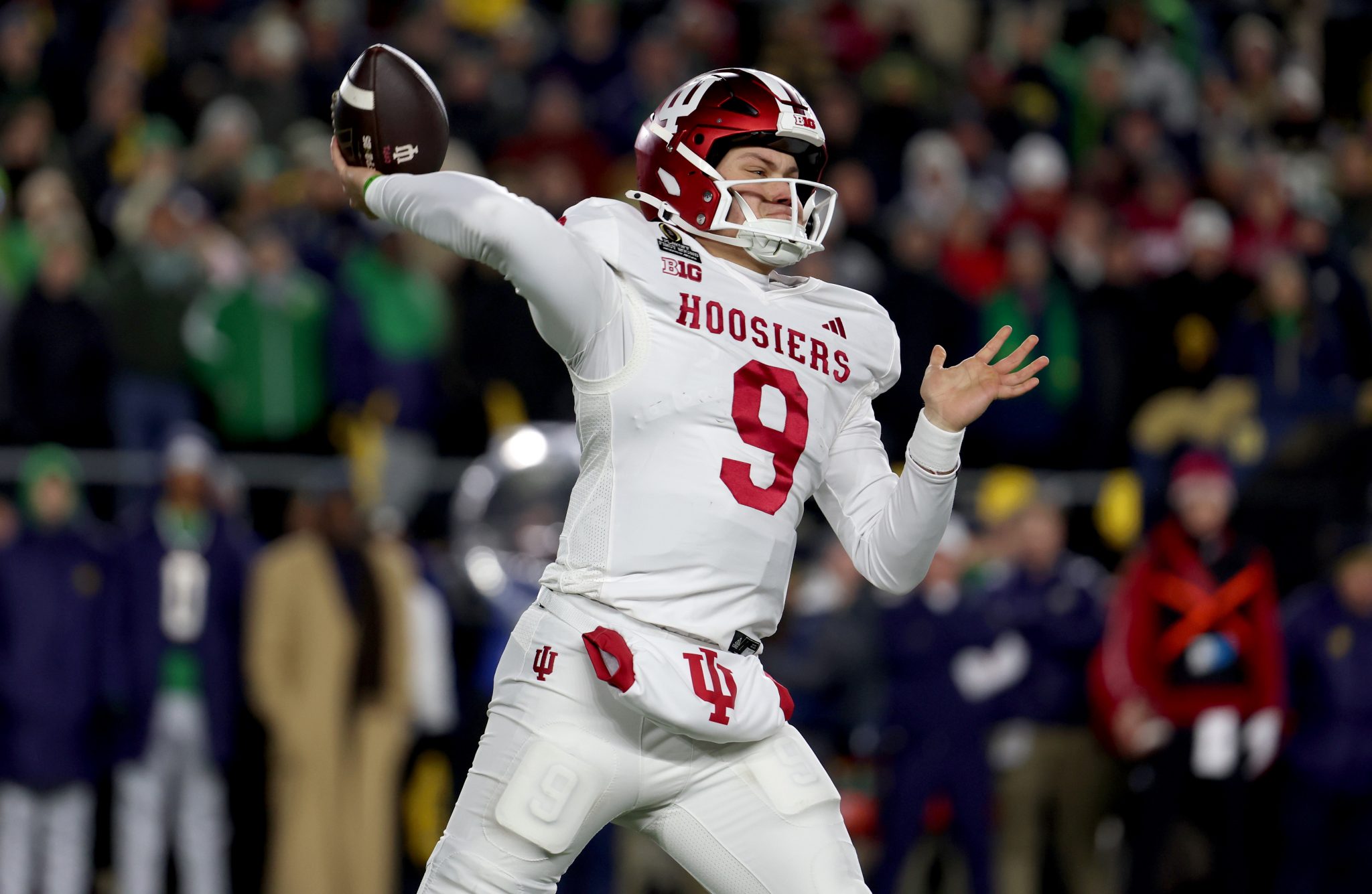
For example, the Atlanta Falcons recently secured wide receiver Kyle Pitts with a 3-year, $54 million contract, a deal that includes $36 million in guaranteed money. This extension highlights the financial commitment teams are making to core offensive playmakers as they solidify their rosters for the 2026 campaign. Meanwhile, other franchises are navigating roster challenges, such as the New England Patriots, who are addressing contract and injury concerns regarding unsigned second-round pick Gabe Jacas. Such contract impasses and medical evaluations are common during the summer months, as teams balance salary cap constraints with the need for immediate on-field production.
The decision to cancel the supplemental draft remains a firm administrative stance by the league office. While the process has provided a bridge for players in previous cycles, it will not be a factor in team-building efforts for the 2026 season. With no supplemental draft on the calendar, personnel departments across the league will now shift their full focus toward evaluating players currently on their rosters and monitoring the waiver wire for veteran talent released by other clubs as teams move toward final roster cut-downs.
Find more reporting in our Sports section.
