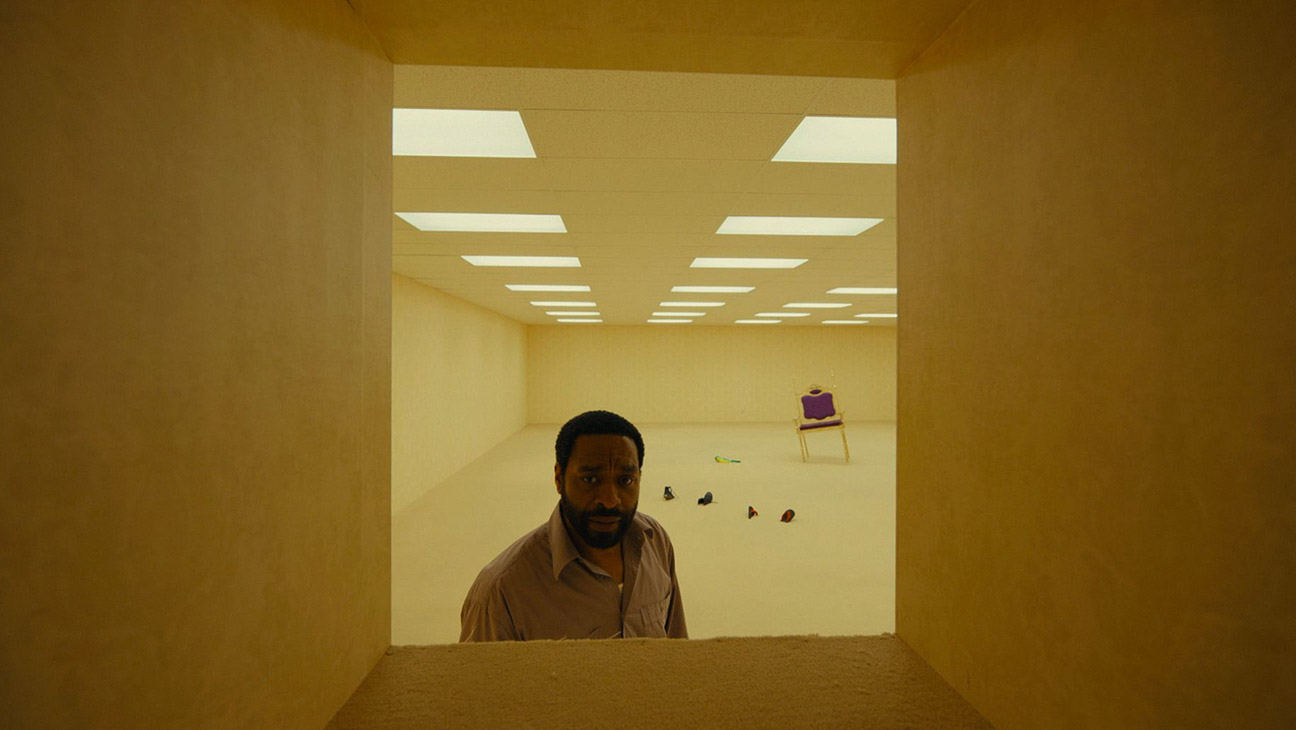
Kane Parsons’ Backrooms arrives as a hauntingly uneven adaptation of a viral internet myth, blending A24’s signature arthouse dread with the creaky foundations of its source material. The film, which premiered May 26 and stars Chiwetel Ejiofor and Renate Reinsve, transforms the 2019 4chan creepypasta into a liminal horror experience—one that feels both groundbreaking and disappointingly familiar. Parsons, now 20, directed the project after his 2022 YouTube short sparked a global obsession, but the feature struggles to escape the shadow of its online origins.
From Internet Myth to A24’s Big Budget: How a Teenager’s YouTube Short Became a Hollywood Feature
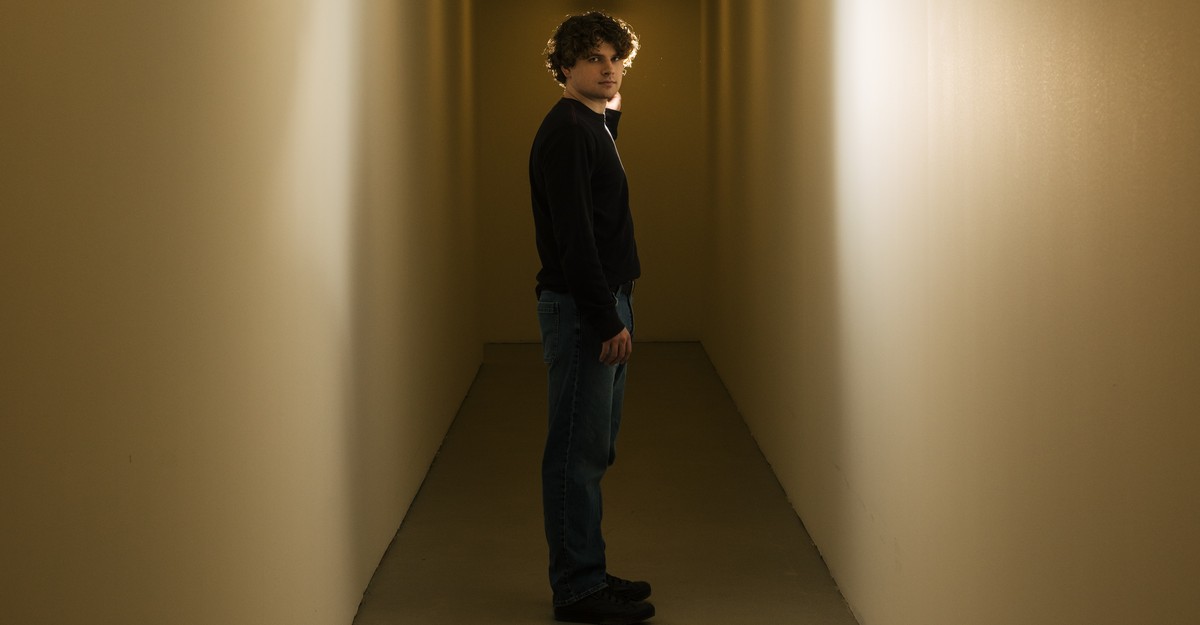
The Backrooms began as a single viral image—a yellow-lit, empty room posted to 4chan in 2019—paired with the chilling warning: “If you’re not careful and you noclip out of reality in the wrong areas, you’ll end up in the Backrooms.” The phrase “noclip” (a video game term for walking through walls) became the key to an entire alternate universe, one where endless corridors, flickering fluorescent lights, and the oppressive silence of abandoned spaces define existence. By 2022, Parsons, then 16, had turned the concept into a YouTube short that amassed millions of views, catching the attention of A24, which optioned the rights before he’d even graduated high school.
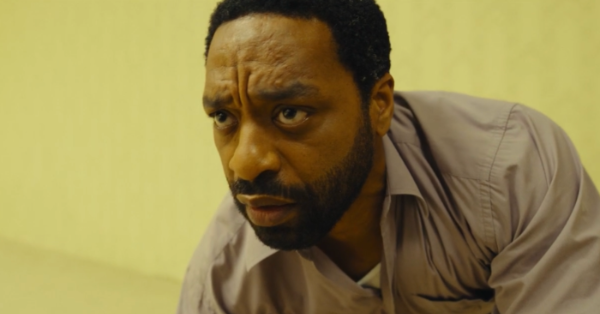
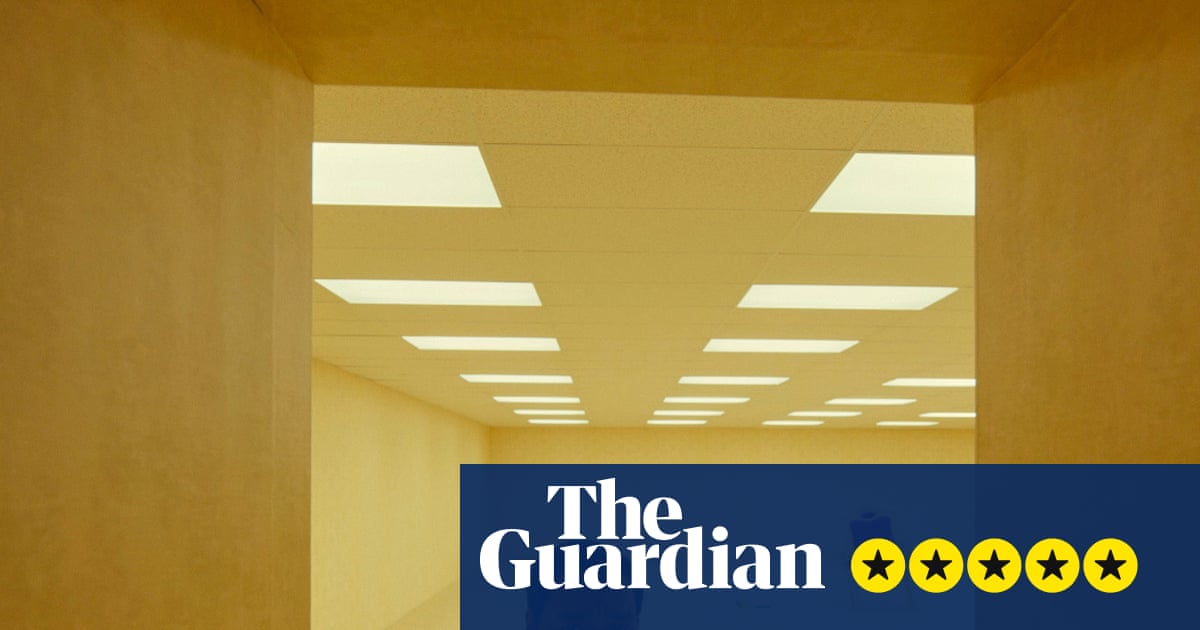
Parsons’ background as a self-taught digital effects artist—he spent his middle-school years obsessed with creating “iPhone videos of things that didn’t actually happen” and scripting “fictional stories that don’t describe themselves as fictional”—shaped the film’s aesthetic. The result is a visual nightmare: a dead-yellow glow that bleeds through every frame, production design that mimics the eerie, half-constructed feel of a “room cobbled together by construction workers on acid,” and a sound design that amplifies the dread of infinite space. But while the film’s atmosphere is undeniably chilling, its narrative foundation often feels as flimsy as the walls Clark (Ejiofor) phases through.
“Imagine describing a dog to someone who’s never seen one and then asking them to draw it.”
— Character explaining the Backrooms, Backrooms (2026)
The Liminal Horror Formula: What Works and What Doesn’t
The film’s greatest strength—and its most frustrating limitation—lies in its refusal to fully commit to a single genre. Is Backrooms a psychological horror about a man trapped in his own failures? A surreal sci-fi descent into a parallel dimension? A slow-burn thriller about the banality of suburban despair? The answer, frustratingly, is all of the above—and none. Ejiofor’s Clark, a failed architect reduced to selling furniture in a failing store called Cap’n Clark’s Ottoman Empire (a name so absurd it’s almost a joke), is a compelling everyman protagonist, but the film never quite decides whether his plight is metaphorical or literal.
Critics have drawn comparisons to Severance (2022) and Skinamarink (2022), both of which excel at blending existential dread with meticulous world-building. But where those films use their settings to deepen character studies, Backrooms often feels like a theme park ride through its own lore. The film’s first act, set in a depressingly ordinary 1990s California suburb, drags before Clark discovers the hidden doorway in his store’s basement. Once he steps through, the film leans hard into its creepypasta roots—endless hallways, flickering lights, and the unsettling sense that something is always just out of sight. Yet for all its ambition, the film’s structure never quite coalesces into a cohesive experience.
According to The Atlantic, Parsons has described his process as “giving us everything” while acknowledging the risks of over-explaining a concept that thrives on ambiguity. The film’s underbaked storytelling—particularly its rushed second act—makes it difficult to care about Clark’s fate, even as the Backrooms themselves become a character unto themselves. The production design, however, is a masterclass in oppressive atmosphere, with cinematographer Jeremy Cox and designer Danny Vermette crafting a world that feels both vast and claustrophobic.
The Creepypasta Phenomenon: How Internet Horror Became Mainstream
Backrooms is the latest in a wave of films and TV shows adapting internet-born horror myths—joining Slender Man (2018), Channel Zero (2016–2018), and even Host (2020)—into high-budget cinematic experiences. The trend speaks to a broader cultural shift: audiences are increasingly hungry for horror that feels personal, interactive, and rooted in digital folklore. Parsons’ work, in particular, taps into the same communal creativity that fueled the original 4chan thread. As Rotten Tomatoes notes, the Backrooms universe has expanded far beyond Parsons’ original shorts, with fans contributing their own lore, art, and even fan films. The film’s release marks a turning point: no longer just an online curiosity, the Backrooms are now a bona fide cinematic entity.
Yet the adaptation raises questions about whether some stories are better left as whispers in the dark. The original creepypasta thrived on its ambiguity, its refusal to explain the inexplicable. By turning it into a feature film, A24 and Parsons risk diluting that mystery—replacing the unsettling unknown with the familiar trappings of genre horror. The result is a film that feels both ambitious and disappointingly safe, as if it’s afraid to fully embrace the terror of its own premise.
Ejiofor and Reinsve Anchor an Unsteady Ship
Despite its flaws, Backrooms benefits from strong performances, particularly from Ejiofor and Reinsve. Ejiofor’s Clark is a man unraveling at the seams—his alcoholism, his failed marriage, his desperate grasp at relevance through a pirate-themed infomercial for his store—all serve as a microcosm for the film’s themes of isolation and existential drift. Reinsve’s Mary, his therapist, is equally compelling, her quiet sadness and professional detachment making her the film’s emotional anchor. Their chemistry is the film’s most reliable element, grounding what might otherwise feel like a series of disjointed set pieces.
The supporting cast, including Mark Duplass and Finn Bennett, add texture to the film’s suburban backdrop, but their roles feel underutilized. The film’s real star is its setting—a labyrinthine nightmare of fluorescent-lit corridors, flickering signs, and the ever-present sense that something is watching. Yet even here, the film’s ambitions sometimes outpace its execution. The Backrooms themselves are a marvel to behold, but the film never fully commits to the terror of their infinite expanse, instead opting for jump scares and squirm-inducing moments that feel more like genre tics than genuine horror.
What’s Next for the Backrooms Universe?
With Backrooms now in theaters, the question remains: what’s next for this sprawling internet-born myth? Parsons has already hinted at expanding the universe, and given the film’s modest success (it’s not yet a box-office juggernaut, but it’s drawing strong word-of-mouth), there’s potential for sequels, spin-offs, or even a TV series. The Backrooms Wiki—an unofficial fan-run archive—has already documented dozens of levels, entities, and phenomena, suggesting a rich vein of material for future storytelling.
Yet the film’s mixed reception may temper those ambitions. While critics have praised its atmosphere and production design, many have called it “underbaked,” a term that feels particularly apt given Parsons’ youth and the film’s origins as a high school project. The challenge now is whether A24 and Parsons can build on this foundation—or if the Backrooms will remain a fascinating footnote in the evolution of internet horror.
The film’s release also raises broader questions about the future of horror cinema. In an era where viral content and digital folklore drive box-office decisions, how much of the magic of internet-born stories can translate to the screen? Backrooms suggests that some myths are better left unexplained—left to haunt the corners of the internet, where their ambiguity remains intact. But for now, Parsons’ film stands as a fascinating, if flawed, experiment in turning digital dread into a mainstream experience.
One thing is certain: the Backrooms aren’t going anywhere. Whether as a film, a franchise, or just another internet legend, the idea of slipping through the walls of reality into an endless, yellow-lit nightmare has captured the collective imagination. And if Backrooms doesn’t quite deliver on that promise, it at least leaves the door ajar—literally and metaphorically—for whatever comes next.
