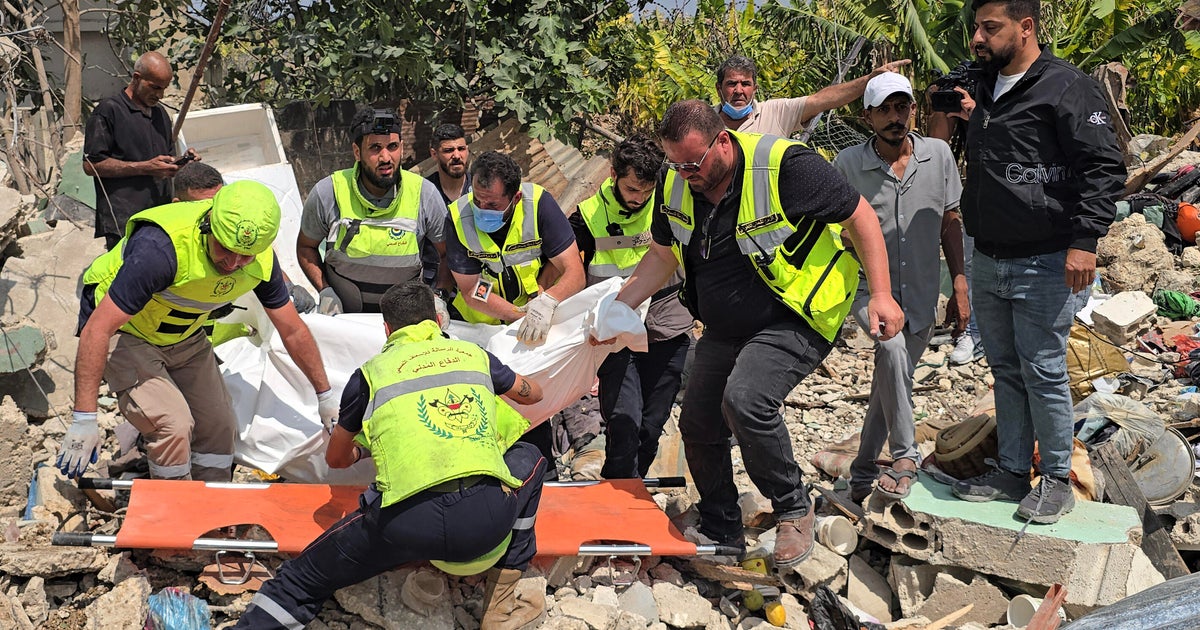
As Israeli airstrikes killed 31 civilians in southern Lebanon on May 27, 2026—including four children and three women—the fragile ceasefire with Hezbollah collapsed further, complicating U.S. efforts to finalize a peace deal with Iran. While U.S. Secretary of State Marco Rubio insisted the Strait of Hormuz "has to be open" and negotiations in Qatar could take "a few days," Iranian negotiators arrived in Doha just as fresh U.S. strikes on southern Iran reignited tensions. The conflict now hinges on whether Israel’s escalation in Lebanon will derail the talks—or force Iran to respond in kind.
Israeli Airstrikes in Lebanon Escalate Civilian Deaths and Cross Long-Standing Demarcation
The Lebanese Toll: Civilians in the Crossfire
Israeli strikes on May 27 targeted at least 50 towns and villages south of the contested "Yellow Line," a demarcation Israel had previously respected. The Lebanese health ministry reported 31 deaths—14 in Burj al-Shamali alone—with rescue workers pulling bodies from rubble near Tyre. A CBS News correspondent in Nabatieh described plumes of smoke after strikes hit near a public hospital, causing "significant damage to the hospital’s departments," according to Lebanon’s National News Agency. The Israeli military, meanwhile, confirmed troops had crossed into Lebanese territory beyond the Yellow Line, a move that risks widening the war beyond the already volatile Israel-Hezbollah front.
The strikes came as Hezbollah claimed Israeli forces had entered Zawtar al-Shamqiyah, deepening fears of a ground invasion. While Israel has framed its operations as necessary to degrade Hezbollah’s capabilities, the civilian toll is fueling international condemnation. The U.S. has yet to publicly criticize Israel, but the timing of the strikes—amid peace talks with Iran—suggests a deliberate calculus: pressure Tehran by demonstrating Israel’s willingness to escalate, even as Washington pushes for diplomacy.
U.S. Secretary of State Marco Rubio Warns of Military Contingencies Over Strait of Hormuz
Rubio’s Tightrope: Hormuz, Timelines, and the "No Deal" Threat
U.S. Secretary of State Marco Rubio delivered a blunt message on May 26 while en route to India: "The straits have to be open. They’re going to be open one way or the other." His remarks, reported by The Guardian, reflected Washington’s hardening stance on Iran’s blockade of the Strait of Hormuz—a flashpoint that could trigger broader conflict. Rubio also acknowledged the negotiations were stuck on "specific language" in the draft agreement, warning they could take "a few days" to resolve.
The comments came as Iranian negotiators, including the foreign minister, met with Qatar’s prime minister in Doha—just hours after the U.S. launched strikes on southern Iran, which Tehran labeled "self-defensive." The presence of Iran’s central bank governor at the talks underscored the economic stakes: unfreezing Iranian funds is a key demand for Tehran’s participation. Yet Rubio’s insistence that the strait must open—"one way or the other"—hints at a possible U.S. military contingency if diplomacy fails. The phrase echoes past warnings from Israeli officials, who have framed Hormuz as a red line.
Qatar Talks Face New Obstacles as Israel’s Lebanon Campaign Threatens to Undermine Iran Deal
Qatar as the Last Hope: Why This Round Matters
The talks in Doha represent the most serious attempt since February to broker a ceasefire. But the Israeli escalation in Lebanon has introduced a new variable: Hezbollah’s survival. Iran’s "resolute support" for its proxy, as Tehran’s state media put it, means any deal with Washington must address both the Hormuz blockade and Israel’s military campaign.
- Hormuz reopening: Iran’s demand for guarantees against future U.S. or Israeli strikes on its oil infrastructure.
- Uranium stockpiles: A potential rollback of Iran’s enrichment program in exchange for sanctions relief.
- Frozen assets: The release of Iranian funds held abroad, a lifeline for a sanctions-stricken economy.
The timing is critical. Rubio’s "few days" timeline suggests the U.S. is willing to wait—but Israel’s actions risk preempting a deal. Hezbollah’s secretary-general, Hassan Nasrallah, has not yet responded to the latest strikes, but his silence is telling. If Israel’s campaign succeeds in degrading Hezbollah’s military capacity, Iran may see little incentive to compromise on Hormuz. Conversely, if the strikes fail to achieve their goals, Tehran could interpret them as a sign of U.S. weakness, emboldening further defiance.
Strike on Lebanese Hospital Raises International Legal and Moral Questions
The Lebanese Hospital Strike: A Turning Point?
The attack on the Nabatieh hospital stands out—not just for the civilian casualties, but for its potential to shift global opinion. Hospitals in conflict zones are protected under international law, and the strike’s proximity to medical facilities could draw scrutiny from human rights groups. While Israel has not commented on the hospital’s damage, the Lebanese health ministry’s statement—"significant damage to the hospital’s departments"—suggests the strike may have violated even Israel’s own rules of engagement.
The incident also tests Israel’s narrative that its campaign is "precise." With 40 wounded in the latest strikes, the toll is mounting. Hezbollah, meanwhile, has avoided large-scale retaliation, likely to preserve its military options. But if civilian deaths continue to rise, even Israel’s allies may question the proportionality of its response. The U.S. has not yet condemned the hospital strike, but the silence is deafening.
-
The Doha Deal Holds: If negotiators can agree on Hormuz’s reopening and uranium limits by early June, the U.S. and Iran could announce a framework deal. Israel’s strikes would then become a secondary conflict—one that could be contained if Hezbollah avoids direct confrontation with Israeli ground forces. The risk? Israel may demand concessions in Lebanon as part of any broader agreement, complicating the talks.
-
Escalation in Lebanon: If Israel’s campaign fails to achieve a quick victory, Hezbollah may respond with asymmetric tactics—attacks on Israeli civilians or infrastructure. This could drag the U.S. into a wider regional war, undermining the Iran talks. The Strait of Hormuz would then become the primary battleground, with Iran potentially mining the waterway or targeting oil tankers.
-
The "No Deal" Option: Rubio’s warning that the U.S. will either make "a good deal or no deal" suggests Washington is prepared to walk away from the table. If talks collapse, Iran could escalate in Hormuz, while Israel may launch deeper strikes into Lebanon or Syria. The result? A prolonged stalemate with no clear path to de-escalation.
The Stakes for Trump’s Legacy
The conflict plays out against the backdrop of U.S. politics. With Donald Trump’s presidency facing reelection pressures, any perceived weakness on Iran could be politically toxic. His administration’s February strikes on Iran—"major combat operations"—set a precedent for military action if diplomacy fails. Yet the Lebanese escalation risks alienating moderates in Congress and among U.S. allies, who see Israel’s campaign as counterproductive.
For Iran, the talks represent a chance to lift sanctions without conceding on its nuclear program. But if Israel’s campaign succeeds in weakening Hezbollah, Tehran may see little need for compromise. The Strait of Hormuz remains the wild card: if Iran perceives the U.S. is bluffing, it may test the waters with further blockades or attacks on shipping. The next 72 hours in Doha will determine whether the world avoids a broader war—or stumbles into one by default.
