
A federal judge in Fort Worth, Texas, handed down sentences of at least 50 years in prison on Tuesday to nine activists convicted of terrorism charges after a violent protest outside the Prairieland ICE Detention Center on July 4, 2025. The sentences—including a 100-year term for Benjamin Song, who fired at an officer—mark the harshest crackdown yet under the Trump administration’s push to label left-wing activism as domestic terrorism.
The Protest That Became a Test Case
What began as a planned noise demonstration with fireworks outside the Alvarado detention center turned deadly when Song, a former U.S. Marine Corps reservist, opened fire on an officer after a group of protesters vandalized government vehicles and a guard shack. The incident—captured in security footage and witness accounts—was the first time federal prosecutors used “material support to terrorists” charges against alleged Antifa operatives, a legal strategy critics warn could set a precedent for stifling protests.
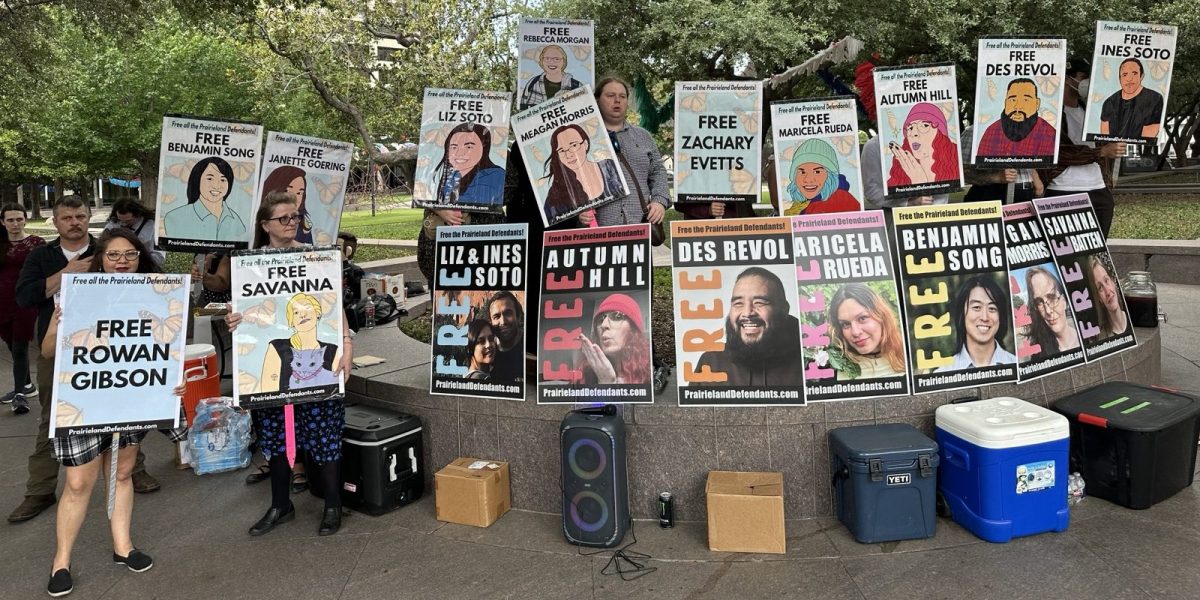
According to The Guardian, the nine defendants were convicted in March after a three-week trial. The jury found them guilty of rioting, obstruction, and explosive charges, though only Song faced attempted murder allegations. The remaining eight—including Zachary Evetts, a mechanical engineer, and Autumn Hill—were sentenced to 50 years each, while Maricela Rueda received 70 years for allegedly concealing documents related to the protest.
The Trump administration framed the case as a victory in its broader campaign against left-wing extremism, with Acting Attorney General Todd Blanche calling the sentences a warning to “Antifa terrorists who attack law enforcement.” But defense attorneys and legal experts argue the punishments are disproportionate, particularly for defendants who played no role in the shooting.
Why These Sentences Are Unprecedented
The length of the sentences—far exceeding federal guidelines—stems from two key legal maneuvers. First, prosecutors stacked charges consecutively rather than concurrently, a tactic that The Guardian reports was unusual even for violent crimes. Barbara McQuade, a former federal prosecutor, called the approach “shocking,” noting that typical sentences for such cases fall between 15 and 25 years.
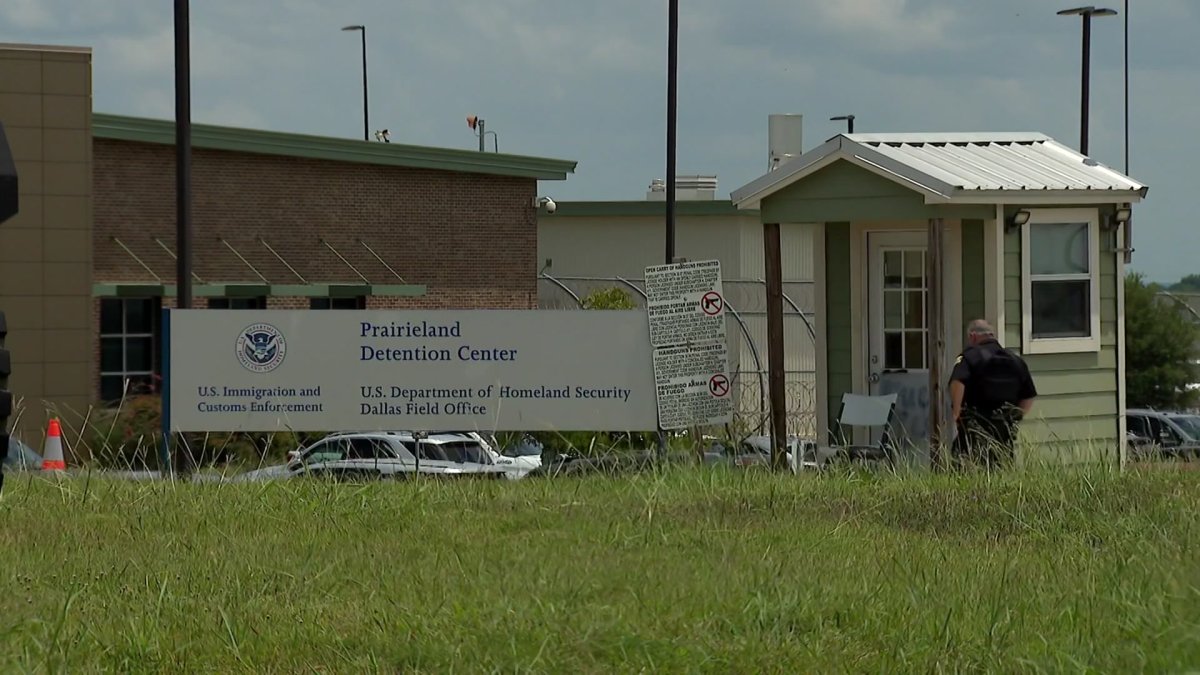
Second, the judges applied enhanced penalties under terrorism statutes, treating the protest as an organized attack despite defense claims it was spontaneous. Daniel Sanchez Estrada, who was not at the protest but convicted of obstructing the investigation by moving a box of antifascist zines, received a 30-year sentence—a punishment critics say makes a mockery of justice. “The punishment must fit the crimes—not the headlines, not the politics,” his attorney argued in court.
Comparisons to January 6, 2021, are inevitable. While Capitol rioters received sentences averaging around 10 years, the Prairieland defendants now face decades—despite none of them (except Song) being accused of violence. The Intercept frames the disparity as a deliberate signal: the Trump administration is willing to treat left-wing dissent as a greater threat than far-right insurrection.
The Legal Battle Over “Material Support to Terrorism”
The charges against the Prairieland defendants hinge on prosecutors’ interpretation of “material support to terrorism,” a statute originally designed to target foreign groups like al-Qaeda. In this case, the government argued that the protesters’ use of encrypted messaging (Signal), their black attire, and their presence at the detention center—combined with the fireworks and vandalism—constituted “support” for a broader campaign against ICE.
NBC 5 Dallas-Fort Worth reports that FBI Director Kash Patel had previously called the case the first time the Justice Department used terrorism charges against alleged Antifa members. The move followed Trump’s 2025 executive order designating Antifa as a domestic terrorist organization—a classification with no legal equivalent for far-right groups.
Legal scholars warn the case could embolden prosecutors to target future protests under similarly vague charges. Suzanne Adely, interim president of the National Lawyers Guild, told NBC that the outcome “helps the government see how far they can go in criminalizing constitutionally protected protests.” The risk, she added, is that activists in other cities may now think twice before speaking out.
What the Defendants Say—and What Comes Next
The defendants painted a starkly different picture of the protest in court, describing it as a peaceful act of solidarity with detained immigrants. “We didn’t expect or want any violence or destruction of property to occur,” Autumn Hill told the judge. Song, who fired the shot at Officer Thomas Gross, defended his actions as a response to what he believed was an imminent threat: “I never want to see good people, standing for what they believe in, gunned down in the street,” he said in a statement.
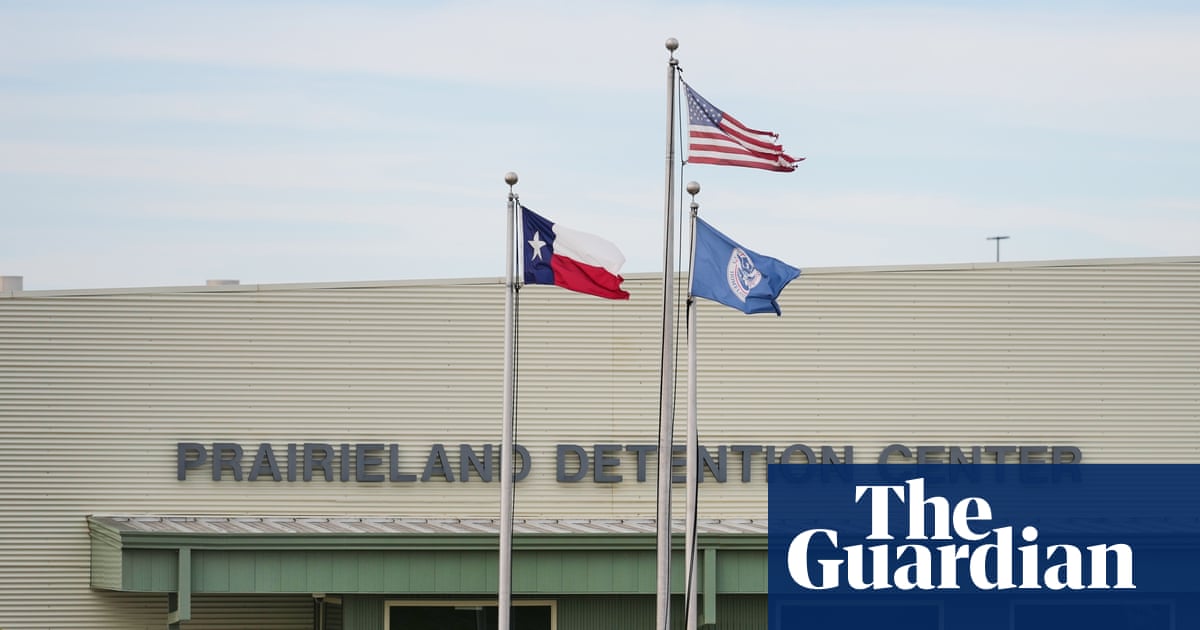
Yet the judges rejected these narratives, with U.S. District Judge Reed O’Connor calling the protest an “assault on democracy.” The defendants’ appeals—already underway—will likely focus on whether the terrorism charges were appropriately applied. Defense attorneys argue the case was built on flimsy evidence, including the Signal messages and the box of zines, which they say were seized without proper justification.
Meanwhile, the broader implications of the ruling are already being felt. Activists in other states report increased surveillance at protests, while legal aid groups are advising clients to avoid encrypted apps and black clothing—precautions that could further marginalize marginalized communities.
The Bigger Picture: Who Wins and Who Loses?
The Prairieland sentences send a clear message: under the Trump administration, dissent—even nonviolent dissent—can be met with extreme penalties if framed as “terrorism.” For law enforcement and prosecutors, the case sets a precedent for future crackdowns. For activists, it’s a chilling reminder that the line between protest and punishment has never been thinner.
What’s less clear is whether the strategy will work. The January 6 defendants, after all, were also convicted of terrorism charges—but their sentences were far lighter. The disparity suggests that political affiliation may now determine how harshly prosecutors pursue cases. As The Intercept notes, the Prairieland defendants are the first to face sentences longer than those of Capitol rioters, despite none of them attacking a federal building.
For now, the case is a victory for the administration’s hardline approach—but at what cost? The families of the defendants, many of whom have no prior criminal records, are already planning appeals. And if the trend continues, the next protest could be the one that triggers even harsher consequences.
One thing is certain: the Prairieland case won’t be the last test of how far the government will go to label dissent as terrorism.
Find more reporting in our News section.
