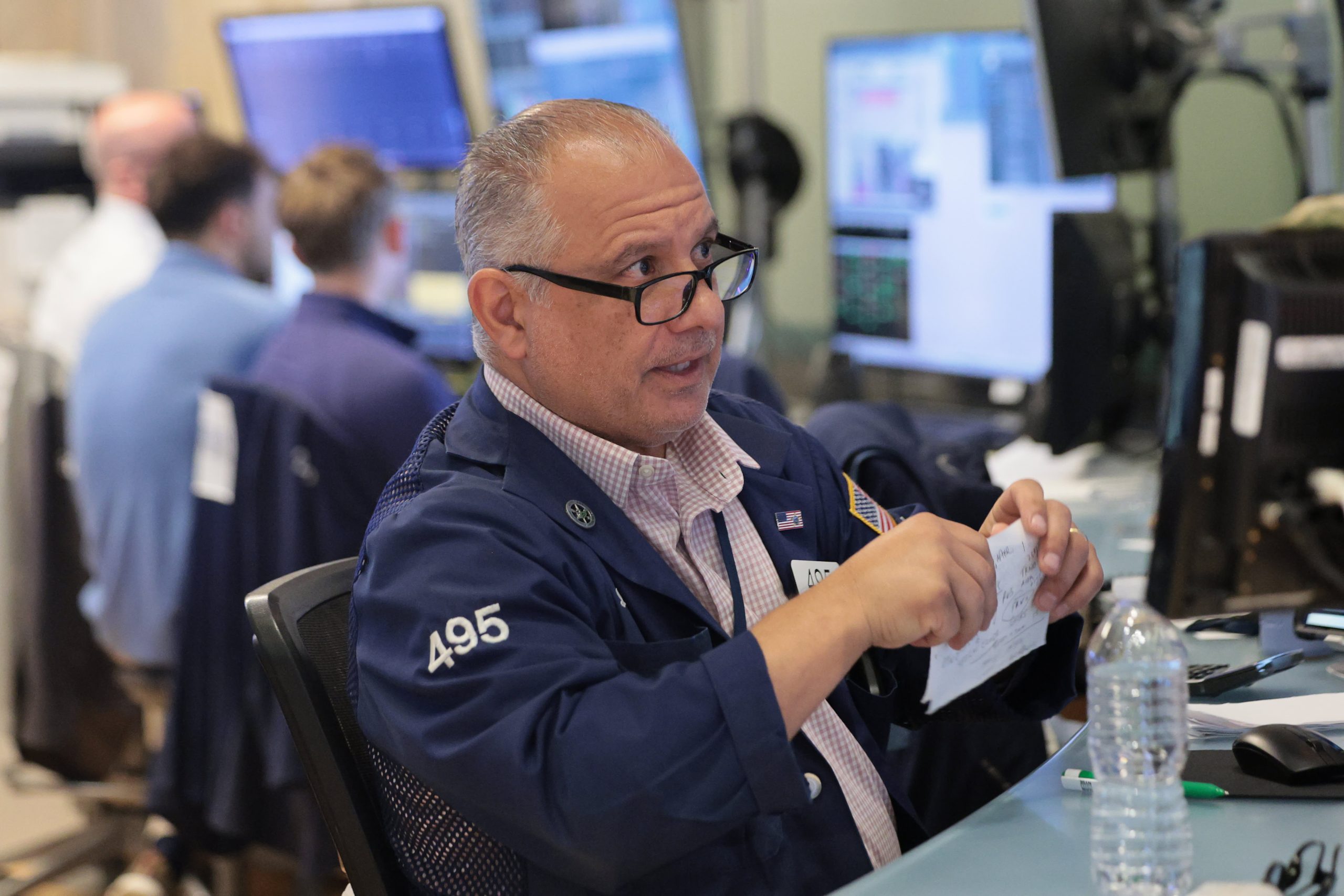
U.S. stock futures fell Thursday as oil prices surged on escalating tensions in the Strait of Hormuz and Treasury yields rose, overshadowing Nvidia’s earnings report—a moment that could determine whether the tech rally has legs or is due for a reckoning. The S&P 500 futures dropped 0.4%, Nasdaq 100 futures slid 0.6%, and the Dow Jones Industrial Average futures lost 150 points, or 0.3%, as traders braced for a potential shift in the market’s momentum.
Oil and Bonds Collide: The Real Story Behind the Market’s Wobble
The market’s unease stems from two interlocking forces: oil and bonds. Crude prices jumped after Reuters reported that Iran’s supreme leader had ordered enriched uranium to remain within the country, a move that deepened uncertainty over a resolution to the U.S.-Iran conflict. West Texas Intermediate futures climbed 2.9% to $101.04 per barrel, while Brent crude rose 2.3% to $107.36. The spike in oil prices, now at multi-month highs, has sent Treasury yields higher—the 10-year yield rose 5 basis points to 4.615%, and the 30-year yield climbed 3 basis points to 3.665%—as traders fretted about inflation pressures. Higher yields make stocks less attractive, particularly growth-oriented tech names that rely on low borrowing costs.
This isn’t just a technical correction. The bond market’s shift reflects a broader anxiety: after a record-setting rally fueled by AI optimism, investors are asking whether the party can last. As CNBC reported, the S&P 500 has now given back three straight days of gains, erasing some of the euphoria from Wednesday’s rebound. The question on everyone’s mind: Is this a pause, or the beginning of a pullback?
Nvidia’s Earnings: The AI Stock That Could Make or Break the Rally
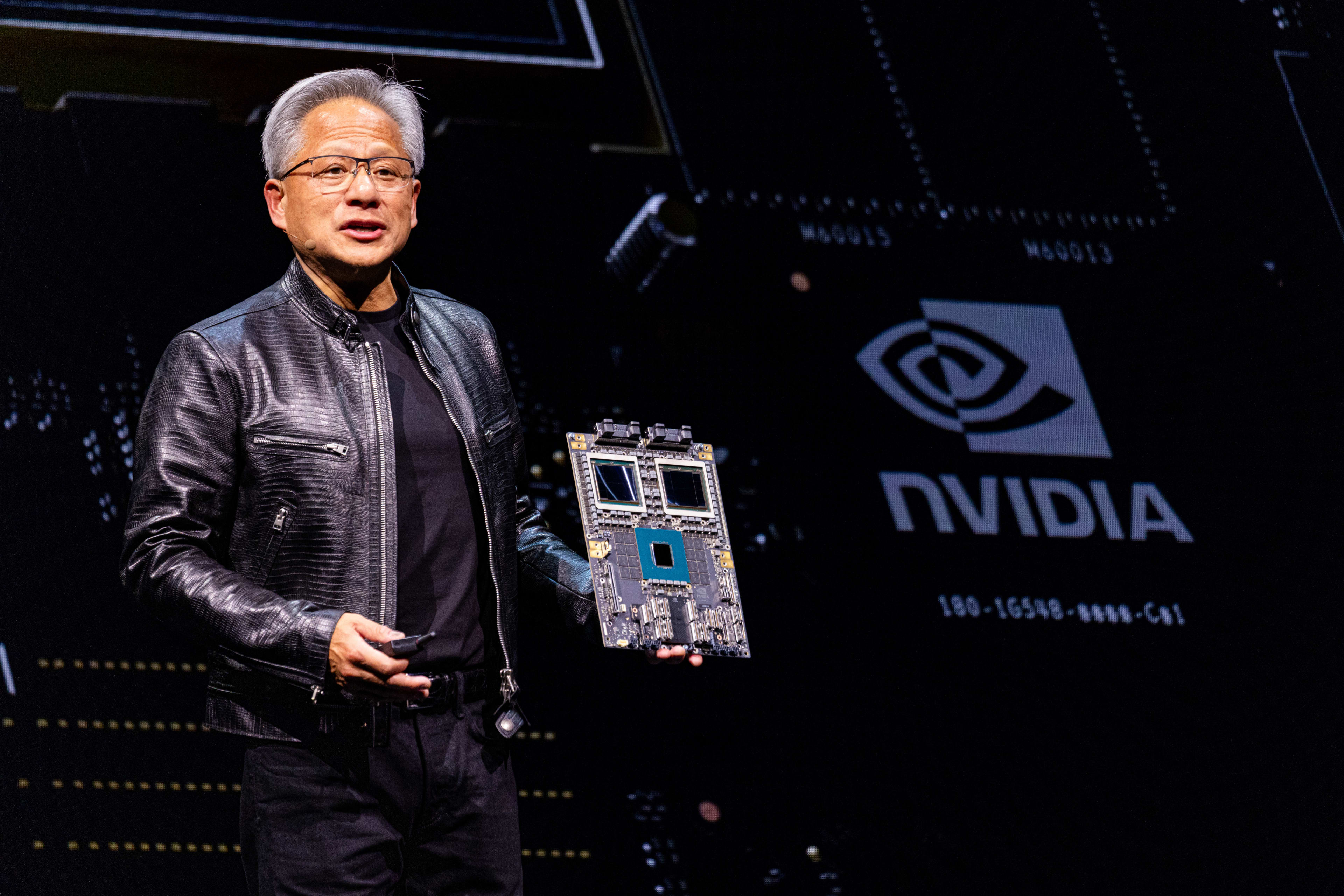
Nvidia’s quarterly report, due Wednesday, is the market’s litmus test. The company has become synonymous with the AI boom, routinely beating earnings expectations and raising guidance that Wall Street devours like gospel. But this time, the bar is higher. As the AP noted, tech stocks—especially AI-driven names—have become overvalued in the eyes of critics, leaving them vulnerable to even minor setbacks.

Nvidia’s shares were down slightly Thursday, a rare blip for a stock that has defied gravity for months. The company’s latest moves—including a 25-cent quarterly cash dividend hike, announced alongside its earnings—are being scrutinized for clues about its confidence in the AI cycle. But the real test will be whether Nvidia can prove the rally isn’t built on sand. If it delivers another blockbuster report, the market may shrug off the oil-bond headwinds. If not, the correction could deepen.
“Every flow has its ebb,” Barclays Capital strategists wrote in a report, warning that the “fastest rebound in decades” could now face a reversal.
The warning is timely. The S&P 500’s recent losses—0.7% on Tuesday, its third straight decline—have erased some of the gains from its record highs. Meanwhile, oil’s volatility is a reminder that geopolitical risks haven’t disappeared. The Strait of Hormuz, a critical choke point for global oil supplies, remains a flashpoint, and any disruption could send prices even higher, further pressuring stocks.
Beyond Nvidia: Who’s Winning and Losing in the Market’s See-Saw
The market’s mixed signals extend beyond tech. While Nvidia remains the focus, other sectors are sending conflicting messages. Home Depot, for example, rose 0.9% after flipping an early loss following its earnings, proving that even in a high-rate environment, consumer spending remains resilient. CEO Ted Decker noted that demand held up “despite greater consumer uncertainty and housing affordability pressure,” a sign that the U.S. economy’s underlying strength might be more durable than the bond market’s jitters suggest.
But not all stories are positive. Akamai Technologies, a cybersecurity and cloud player, saw its shares drop 6.3% after announcing plans to raise $2.6 billion through a convertible note offering—a move that signaled caution about future growth. The contrast between Home Depot’s resilience and Akamai’s retreat underscores the market’s bifurcated mood: some sectors are thriving, while others are bracing for a slowdown.
The Trump Factor: Diplomacy or Distraction?
Adding to the market’s uncertainty is the geopolitical backdrop. President Donald Trump’s administration has been in the “final stages” of negotiations with Iran, according to a pool report cited by CNBC. If true, such a development could ease tensions in the Strait of Hormuz, stabilizing oil prices and taking pressure off Treasury yields. But the timing is delicate: markets hate surprises, and any misstep in the diplomacy could send crude prices surging again.
The market’s reaction to Trump’s comments on Wednesday—where he suggested progress in Iran talks—lifted spirits, but the rally proved fleeting. The S&P 500’s rebound was short-lived, a reminder that investor optimism is fragile. The question now is whether the administration can deliver on its promises or if the market will remain hostage to geopolitical whiplash.
What’s Next? Three Scenarios for the Market’s Future
The next 30 days will be critical.
- Scenario 1: The AI Rally Continues — If Nvidia reports another strong quarter and raises guidance, tech stocks could rally, dragging the broader market higher. The bond market’s concerns would be dismissed as a temporary blip.
- Scenario 2: The Correction Deepens — If Nvidia’s report disappoints or oil prices spike further, the S&P 500 could extend its losses, particularly in tech. Higher Treasury yields would make stocks less attractive, leading to a broader pullback.
- Scenario 3: The Geopolitical Wildcard — Any escalation in the Strait of Hormuz—or a sudden breakthrough in U.S.-Iran talks—could send oil prices swinging wildly, creating volatility that overshadows earnings.
The market’s direction hinges on three key variables: Nvidia’s earnings, oil prices, and the outcome of U.S.-Iran diplomacy. Right now, the balance is precarious. As the AP framed it, the tech rally has been “too expensive” for some investors, and any sign of weakness could trigger a broader unwinding.
The coming days will reveal whether this is a correction or the beginning of something larger. One thing is clear: the market’s patience is wearing thin.
