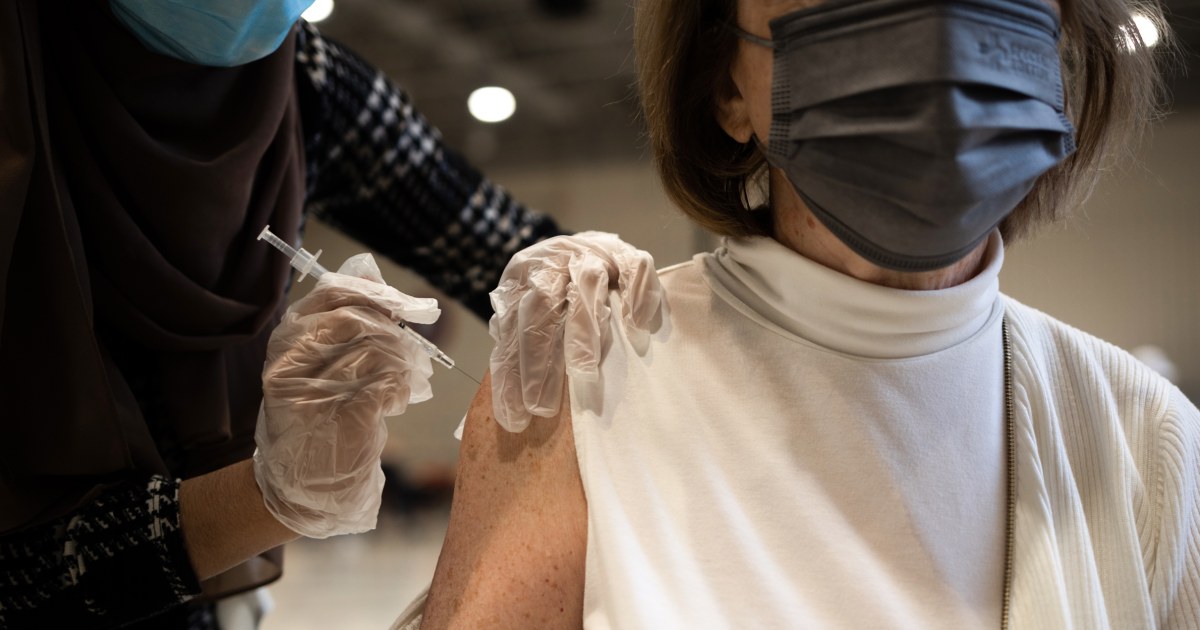
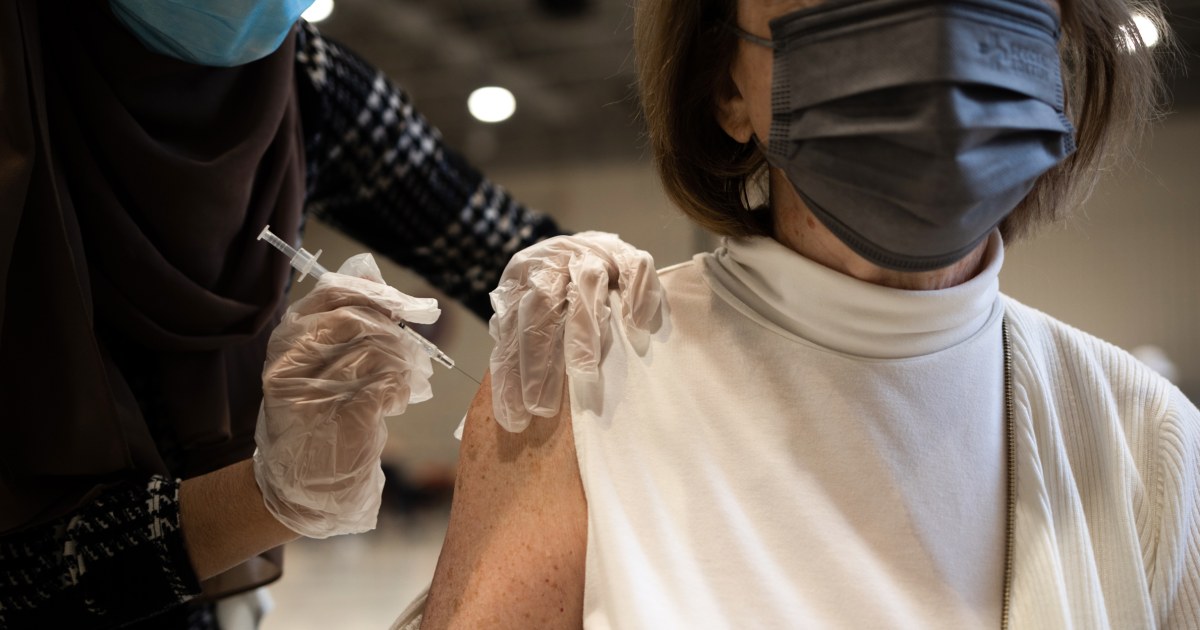
“Officials confirmed a study on the 2025–2026 COVID-19 vaccine’s effectiveness was initially blocked by the CDC’s acting director before being published in JAMA Network Open. The research, analyzing data from 110,000 adults across seven U.S. states, found the vaccine reduced hospitalization risk by 55% and emergency care visits by 50%, despite high levels of prior immunity. The controversy centers on the study’s methodology and the role of Jay Bhattacharya, the acting CDC director, who raised concerns about its “test-negative design,” a method comparing vaccinated and unvaccinated patients who tested positive or negative for COVID.”
Conflict Over Methodology and Publication

The study’s publication path sparked debate over scientific transparency. Originally slated for the CDC’s Morbidity and Mortality Weekly Report (MMWR), the research was moved to JAMA Network Open after acting CDC Director Jay Bhattacharya objected to its “test-negative design,” a method that compares vaccination rates among patients testing positive or negative for COVID. Bhattacharya, who favors longitudinal cohort studies tracking vaccinated and unvaccinated groups over time, argued the approach lacked rigor. “Longitudinal studies are a stronger design,” he told NBC News, though critics called the delay political interference.
The test-negative method, defended by researchers as “convenient and efficient,” involves analyzing patients with symptoms who underwent testing. Among those who tested positive, researchers calculated the odds of vaccination, finding the 2025–2026 vaccine cut ER/urgent care visits by 50% and hospitalizations by 55%. However, the approach has limitations: it cannot distinguish between vaccine-induced and infection-induced immunity, and results may vary based on testing patterns. “The findings demonstrate the added benefit of 2025–2026 vaccination irrespective of prior immunity,” the study’s authors wrote, though they acknowledged the method’s uncertainty.
Reactions and Institutional Responses

The controversy drew sharp responses from public health experts. Robert F. Kennedy Jr., Health and Human Services Secretary, who has historically criticized vaccines, previously called the 2021 COVID-19 vaccine “the deadliest vaccine ever made.” His agency’s oversight of the CDC raised questions about potential bias, though the department defended its stance. Emily Hilliard, a spokesperson for the Health and Human Services Department, stated, “The CDC protects the public’s health by providing accurate, transparent, and trustworthy information. This requires applying the highest standards of scientific rigor.”
Meanwhile, the study’s authors emphasized the real-world relevance of their findings. “Vaccine effectiveness should be interpreted as the added benefit of 2025–2026 vaccination in a population with high levels of infection-induced immunity, vaccine-induced immunity, or both,” they wrote. The research, published in JAMA Network Open, also highlighted low vaccine uptake—only 11% of patients in the CDC-led study had received the 2025–2026 booster, underscoring challenges in public health messaging.
Comparative Findings and Global Context
The study’s results align with international research. A separate analysis in Europe found the 2025–2026 vaccine reduced symptomatic COVID cases requiring medical attention by 59% among older adults, though effectiveness waned over time. In the U.S., the CDC’s data showed 390,000 to 550,000 COVID-related hospitalizations between October 2024 and September 2025, with the highest rates among adults 65 and older. The 2025–2026 booster’s protective benefits were particularly critical for this group, where vaccine effectiveness against hospitalization reached 53%.
Critics noted the study’s reliance on self-reported data and potential biases in testing. “The vaccine effectiveness estimates this method yields could be an overestimate or an underestimate; it’s impossible to tell,” one expert told NBC News. Yet supporters argued the findings reinforced the value of annual boosters, even in populations with prior immunity. “The added benefit of 2025–2026 vaccination is clear,” said Dr. Ryan Wiegand, a CDC researcher involved in the study.
What Comes Next?
The debate over the study’s methodology and publication highlights broader tensions in public health communication. While the CDC maintains its commitment to scientific rigor, the delay raised concerns about transparency. Moving forward, officials will need to balance methodological scrutiny with timely dissemination of critical data.
For the public, the study reinforces the importance of vaccination, particularly for high-risk groups. With SARS-CoV-2 continuing to circulate, health authorities face the challenge of maintaining trust in booster campaigns. As one researcher noted, “It just feels funny that this has become the difference between whether or not something makes it out in MMWR.” The fallout from this controversy may shape future protocols for peer review and public health reporting.
“According to the CDC, the 2025–2026 vaccine reduced hospitalization risk by 55% and emergency care visits by 50%.”
“Emily Hilliard, Health and Human Services Department spokesperson, said, ‘The CDC protects the public’s health by providing accurate, transparent, and trustworthy information.'”
“The study’s authors wrote, ‘Vaccine effectiveness should be interpreted as the added benefit of 2025–2026 vaccination in a population with high levels of infection-induced immunity, vaccine-induced immunity, or both.'”
NBC News
<a As these findings underscore the continued value of vaccination amid evolving immunity landscapes, public health officials emphasize the need for sustained vigilance and data-driven decision-making.
For more on this story, see FDA Panel Unanimously Recommends Moderna’s mRNA Flu Vaccine for Adults 50+.
Find more reporting in our News section.
