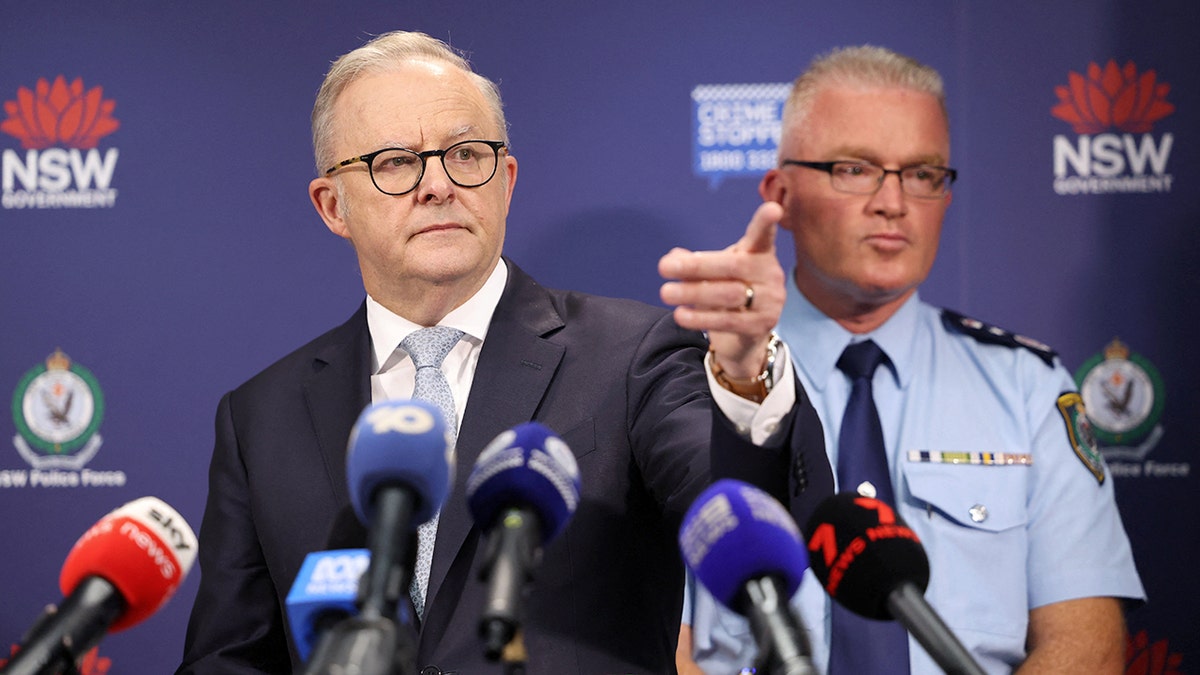
The Australian government announced on June 15, 2026, a proposal to restrict social media access for children under the age of 16, a policy described by Prime Minister Anthony Albanese as an “Australia plus” approach to digital safety. Meanwhile, international observers continue to monitor reports of Russian military movements along the border regions of Eastern Europe.
Australia Proposes Strict Social Media Age Limits
Prime Minister Anthony Albanese confirmed on Monday that his administration is moving toward legislation that would effectively bar children under 16 from using social media platforms. The policy, which the government refers to as “Australia plus,” aims to mitigate potential harms associated with excessive screen time and exposure to harmful content.
The proposed law would hold social media companies accountable for ensuring their platforms are not accessible to users below the age threshold. According to the Department of Communications, the government plans to introduce the legislation to the federal parliament before the end of the current session. This legislative effort follows months of internal debate regarding the efficacy of existing parental control tools, which many government officials have suggested are insufficient to protect minors from algorithmic content delivery systems.
We are looking at an ‘Australia plus’ model, which means we are not just following global trends but setting a standard that prioritizes the mental health and safety of our young people above the commercial interests of tech giants.
Anthony Albanese, Prime Minister of Australia
Critics and digital rights advocates have raised questions regarding the technical feasibility of such a ban. Industry representatives, including spokespeople for major platforms, have pointed to the challenges of age verification without compromising user privacy. The government maintains that it will work with cybersecurity experts to develop a secure, privacy-preserving verification system. In the Australian legislative process, such a proposal must undergo rigorous review by the Parliamentary Joint Committee on Intelligence and Security and the Senate Standing Committee on Environment and Communications before reaching a final vote. This ensures that the potential impacts on digital privacy and civil liberties are debated in a public forum.
The stakes of this legislation are high, as Australia has historically been a testing ground for aggressive digital regulation. Previous measures, such as the News Media Bargaining Code, established a precedent for the government to mandate negotiations between tech giants and local news entities. The proposed age restriction represents a shift from economic regulation to social and developmental regulation, placing the burden of enforcement squarely on the shoulders of the social media companies themselves.
Reports of Continued Russian Military Activity
In separate developments, international security analysts are tracking reports of Russian military maneuvers near the borders of neighboring states. As of June 15, 2026, regional intelligence agencies have documented increased activity, which some observers characterize as a persistent “incursion” into disputed border zones. This activity involves the repositioning of heavy equipment and logistical support units, which analysts note are often precursors to sustained military posture shifts.
The Ministry of Foreign Affairs in Kyiv issued a statement on June 14, 2026, condemning the presence of unauthorized military equipment in the border regions. The statement alleged that these movements violate existing ceasefire agreements. International law observers note that such agreements, while often politically significant, frequently face challenges in enforcement when border monitoring mechanisms are restricted by the parties involved.
The persistent presence of these units within our border territory represents a direct challenge to the stability of the region and contradicts the de-escalation protocols signed by all parties.
Spokesperson for the Ministry of Foreign Affairs, Ukraine
Western intelligence agencies have not yet confirmed the total number of personnel involved in the reported movements. However, a briefing from the North Atlantic Treaty Organization (NATO) released on June 15, 2026, noted that the alliance is maintaining a heightened state of readiness to ensure the security of member states in the Baltic and Eastern European sectors. NATO’s role in this context typically involves the rapid sharing of satellite imagery and signals intelligence, which provides member states with the situational awareness required to adjust their own defensive postures. The alliance’s focus remains on deterrence, preventing any miscalculation that could lead to an escalation of hostilities.
Comparing Global Policy Responses
The Australian government’s approach to social media regulation stands in contrast to the current regulatory frameworks in the European Union and the United States. While the European Union’s Digital Services Act focuses on transparency and the removal of illegal content, the Australian proposal represents a more restrictive stance by targeting user access based on age. This creates a fragmented global digital environment where companies must navigate vastly different compliance requirements depending on the jurisdiction.
In the context of regional security, the situation in Eastern Europe remains fluid. Unlike the legislative process in Australia, which follows a structured path of parliamentary debate and public consultation, the events in Eastern Europe are characterized by shifting military postures. Analysts note that while the Australian social media policy is an internal regulatory matter, the Russian military activity is an international security concern that relies on diplomatic mediation and intelligence sharing between allied nations. The diplomatic process for such conflicts often involves back-channel communications and formal protests through the United Nations Security Council, though outcomes are frequently limited by the veto power of permanent members.
Uncertainty remains regarding the timeline for the Australian social media legislation, as the government must still navigate potential legal challenges from tech companies. Similarly, the long-term intent of the reported Russian military movements remains a subject of intense debate among international security analysts, with no clear consensus on whether these maneuvers indicate a change in strategic intent or a continuation of established pressure tactics. Both situations highlight the increasing complexity of balancing modern security—whether digital or territorial—against established international norms and corporate operations.
Claire Donovan coordinates breaking-news coverage across global time zones. She has reported on elections, social movements, and investigative stories in over ten countries. Known for her calm leadership under pressure, Claire guarantees Globally Pulse delivers news that is fast, factual, and fair.