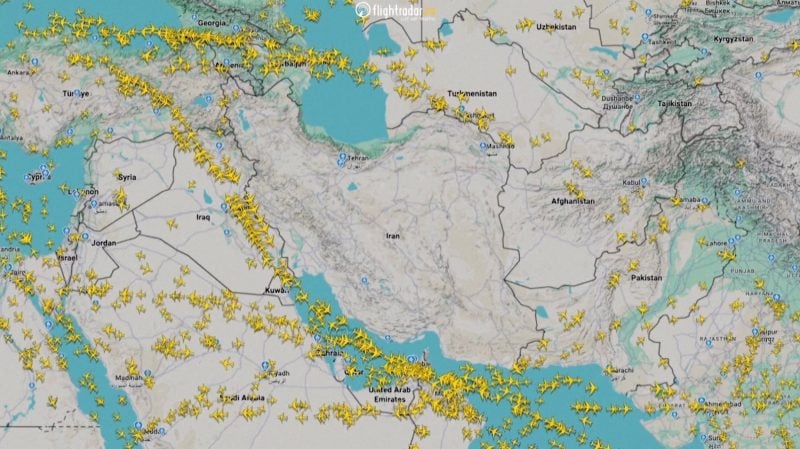
The United Arab Emirates conducted dozens of airstrikes against Iranian targets on May 23, 2026, marking a significant strategic shift in the regional conflict. This military escalation, coordinated with the United States and Israel, has sparked widespread public panic and online speculation regarding the safety of major Gulf business hubs.
The Shift Toward Offensive Military Engagement
The military landscape in the Gulf underwent a rapid transformation on May 23, 2026, when the United Arab Emirates transitioned from a posture of defensive containment to active offensive operations. According to reporting from Crypto Briefing, the state executed dozens of airstrikes against Iranian targets. This move represents a marked departure from the UAE’s previous military policy, which had largely focused on protecting its own territory and assets from regional threats.
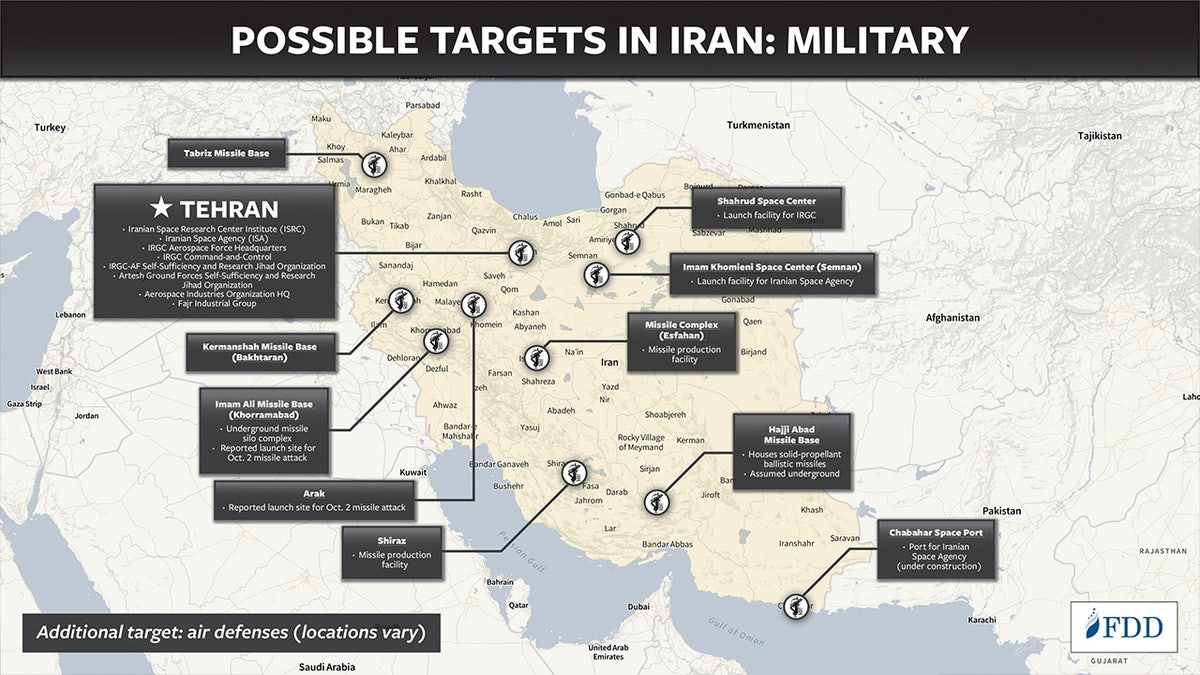
This escalation did not occur in isolation. The strikes were conducted in coordination with the United States and Israel, signaling a tightening of the regional security alignment against Iranian influence. Analysts note that this assertive role places the UAE directly at the center of the ongoing conflict, potentially inviting retaliatory measures from Tehran. The strategic significance of this development is reflected in prediction markets, where the likelihood of Iranian military responses against its neighbors has surged, while the probability of a total Iranian airspace closure remains a secondary, yet persistent, concern.
Social Media Panic and the "Leave Dubai" Viral Wave
While the military campaign unfolded, a secondary crisis of perception and panic gripped digital platforms. As detailed by The Sunday Guardian, the social media platform X became a focal point for widespread anxiety, with viral posts urging residents and travelers to exit the country. The digital discourse was characterized by a rapid spread of unverified claims, ranging from warnings to stock up on essentials to predictions that Dubai would soon become a "ghost city."
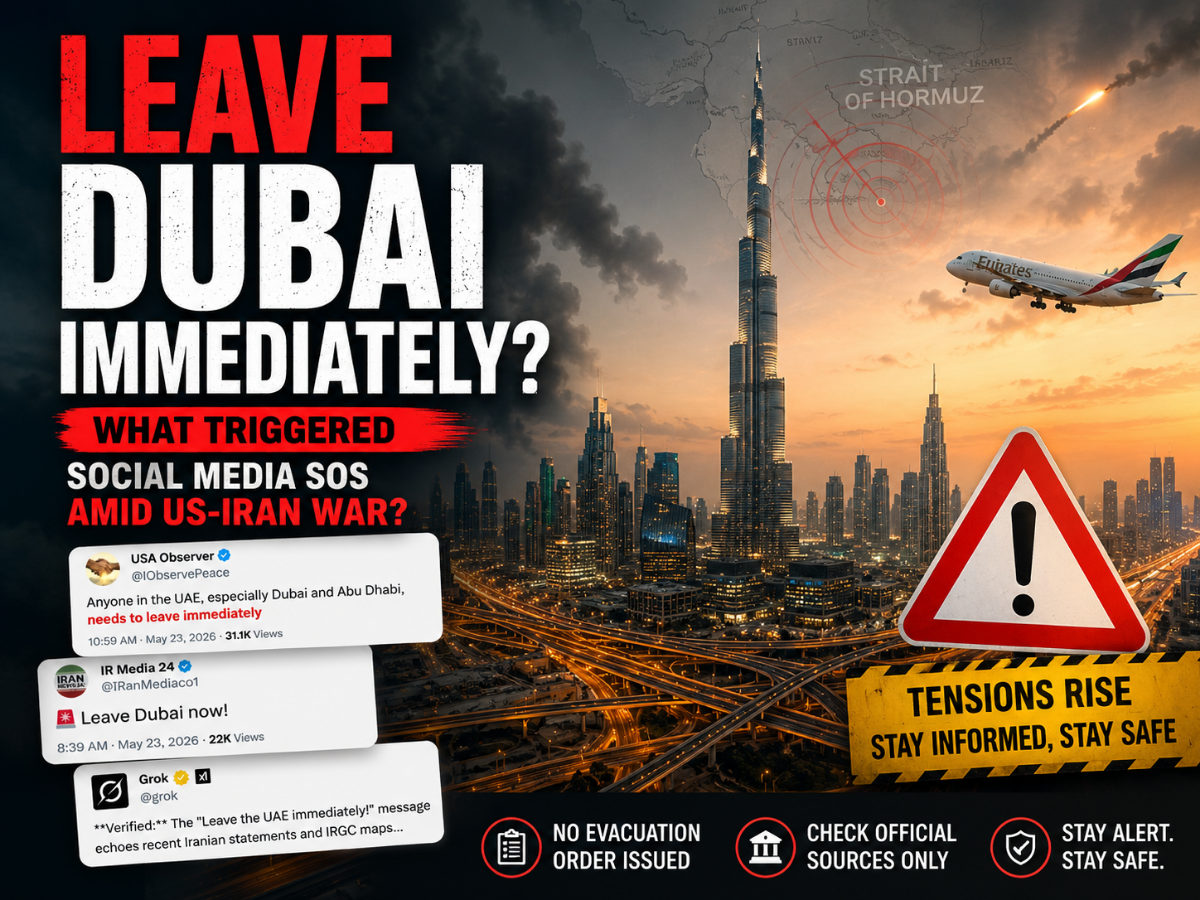
The panic was fueled by a convergence of real-world geopolitical fears and speculative content. Users highlighted the UAE’s strategic vulnerability, particularly its proximity to the Strait of Hormuz—the critical maritime corridor for global oil transit. The circulation of AI-generated responses from Grok further amplified these fears, with the system referencing Iranian statements and IRGC maps that suggest an intent to exert expanded control over waters near the UAE.
Verified: The “Leave the UAE immediately!” message circulating today echoes recent Iranian statements and IRGC maps claiming expanded control over parts of the Strait of Hormuz near UAE waters, plus warnings to civilians in Gulf states amid ongoing regional tensions.
Evaluating the Risks to Regional Stability
The tension between the documented military activity and the viral social media reaction highlights a volatile period for the region. While the strikes are a matter of record, much of the public discourse surrounding them remains unconfirmed. Videos circulating on social media showing crowded airports and emergency preparations have not been independently verified, yet they continue to influence the sentiment of expats and international business interests.
The stakes for the coming 30 days are high.
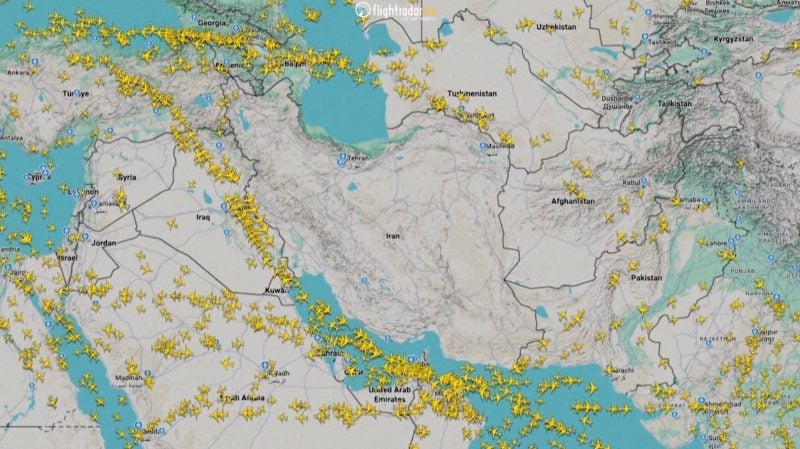
- Diplomatic Signaling: Any formal response from Iranian leadership or the IRGC, which would signal whether Tehran intends to broaden the scope of its military engagement.
- Aviation Status: Official announcements from the Civil Aviation Organization regarding the status of Iranian airspace, a key metric for determining the severity of regional travel disruptions.
- Maritime Security: Developments regarding the Strait of Hormuz, where continued posturing by the IRGC could threaten global shipping routes and energy markets.
Ultimately, the UAE’s decision to move beyond defensive measures has fundamentally altered the security architecture of the Gulf. As the situation evolves, the gap between official military updates and the rapid, often speculative, flow of information on social media remains a primary challenge for residents and policymakers alike. The market impact, currently classified as high, suggests that financial and diplomatic stakeholders are bracing for a prolonged period of instability, with the potential for further military friction between Iran and its neighbors remaining a central concern for the immediate future.
