The BBC has canceled the 2026 Christmas special of Doctor Who, marking the end of showrunner Russell T Davies’ second tenure and the exit of producer Bad Wolf, as the iconic sci-fi series is put out to competitive tender. The decision, announced Wednesday, June 10, 2026, follows a period of declining ratings and leadership changes that have left the show’s future uncertain.
Why the Christmas Special Was Scrapped
The cancellation of the Christmas special—traditionally a highlight of the series—was framed as a strategic move to secure the show’s long-term future. According to the BBC, “this decision was not taken lightly, and we know it will be disappointing for fans,” but the broadcaster emphasized its commitment to the franchise by putting Doctor Who out to tender. This process, which the BBC confirmed would begin this year, mirrors the approach taken with other long-running series like Casualty in 2025, where new production teams were brought in to revitalize the show.
The BBC’s statement, shared across multiple outlets including Deadline and The Independent, underscored the decision’s focus on future investment: “We are choosing to push forward to invest in the long-term future of the show which ensures that when the TARDIS lands once more, it does so in all its glory.”
The BBC’s decision comes amid a broader shift in its programming strategy, with the broadcaster increasingly relying on competitive bidding to refresh its slate. In 2025, the BBC put Casualty out to tender after 39 years, leading to a new production team under ITV Studios. Similarly, EastEnders was also put out to tender in 2024, with BBC Studios retaining the rights for another five years. The move reflects a broader industry trend, as networks seek to balance financial sustainability with creative renewal.
The cancellation of the Christmas special also follows a pattern of recent changes in the Doctor Who franchise. In 2025, Disney+ announced it would no longer co-produce the show, ending its partnership that began in 2021. This decision was part of a broader restructuring of Disney’s international TV operations, which saw the company focus more on its core streaming services. The loss of Disney’s financial backing was a significant blow, as the partnership had helped fund the show’s expansion into new formats, including the animated series and spin-offs like The Power of the Doctor.
Ratings for Doctor Who have been declining in recent years, with Season 15 (2024) averaging 5.1 million viewers in the UK, down from 6.8 million in Season 14 (2023). The Christmas specials have historically been the show’s strongest episodes, often drawing over 8 million viewers. The cancellation of the 2026 special—traditionally a ratings draw—further signals the show’s struggles in maintaining its audience.
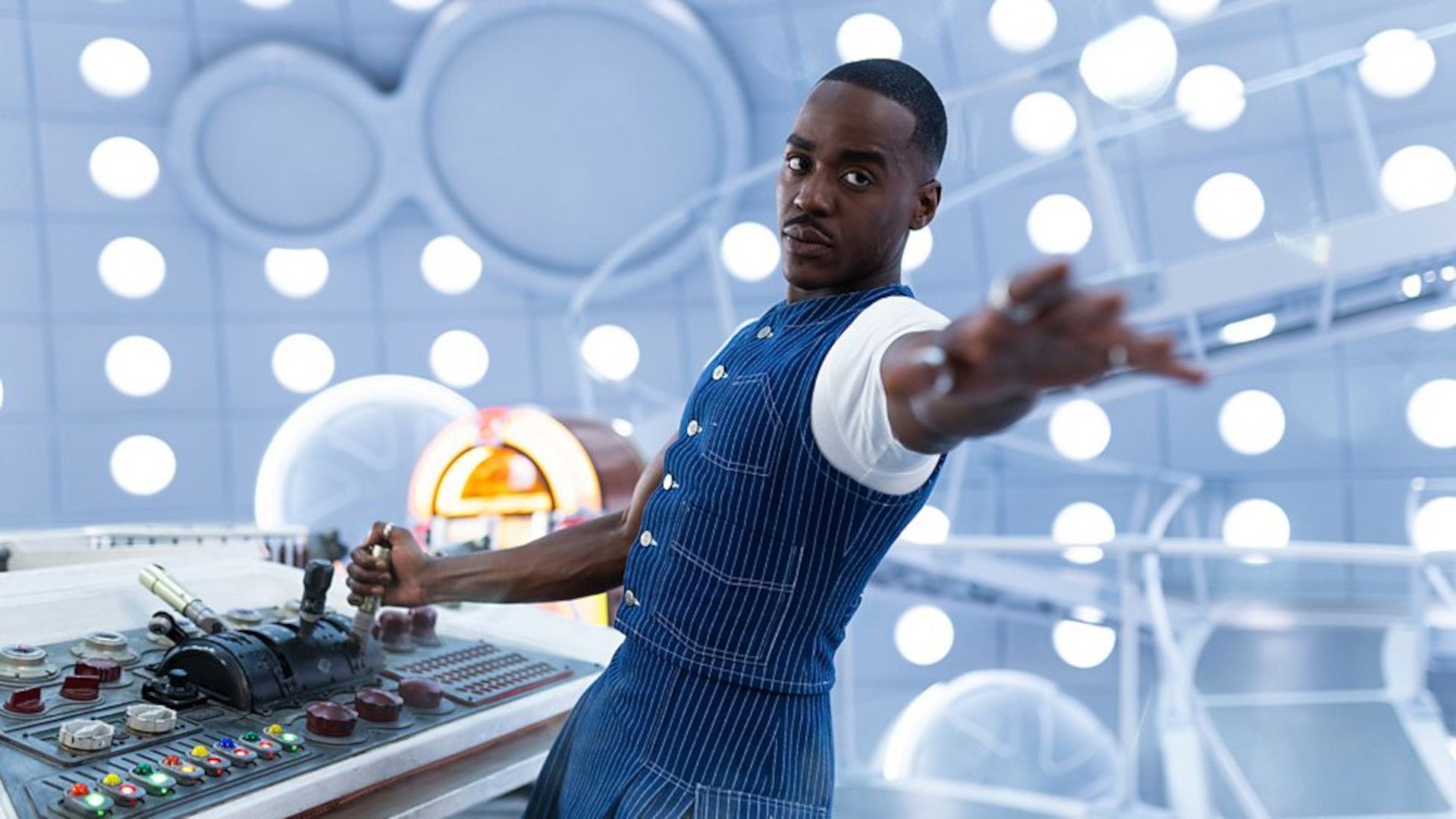
“This decision was not taken lightly, and we know it will be disappointing for fans, but in order to set the show up for future series, it was decided that rather than bridge the gap with a one-off special, we are choosing to push forward to invest in the long-term future of the show which ensures that when the TARDIS lands once more, it does so in all its glory.”
— BBC statement, via Deadline
Russell T Davies, whose departure from the show was confirmed alongside the cancellation, took to Instagram to address fans directly. In a post that went viral, he wrote: “And so GOODBYE from me to Doctor Who but HELLO to a big new future for the show, as the BBC announces it’s putting the show out to tender.” He clarified that no script had been written for the Christmas special and that no actor had been approached to succeed Ncuti Gatwa, who left the role of the Doctor in 2025. “You may disagree; fine, sit in that chair and wait to be proved right. You’ll wait a lonnng time,” Davies added, framing the decision as a necessary step toward an uncertain but potentially transformative future.
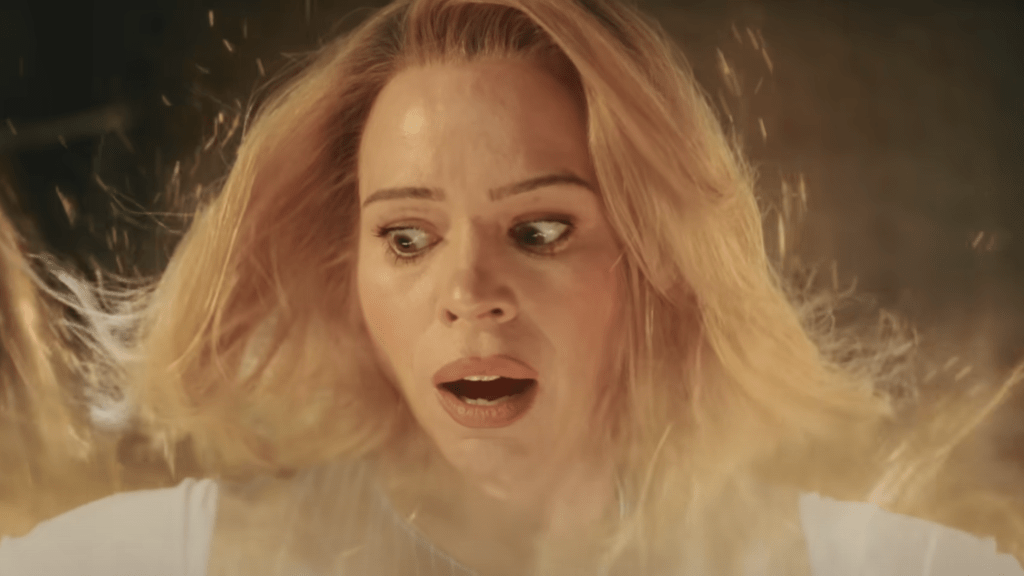
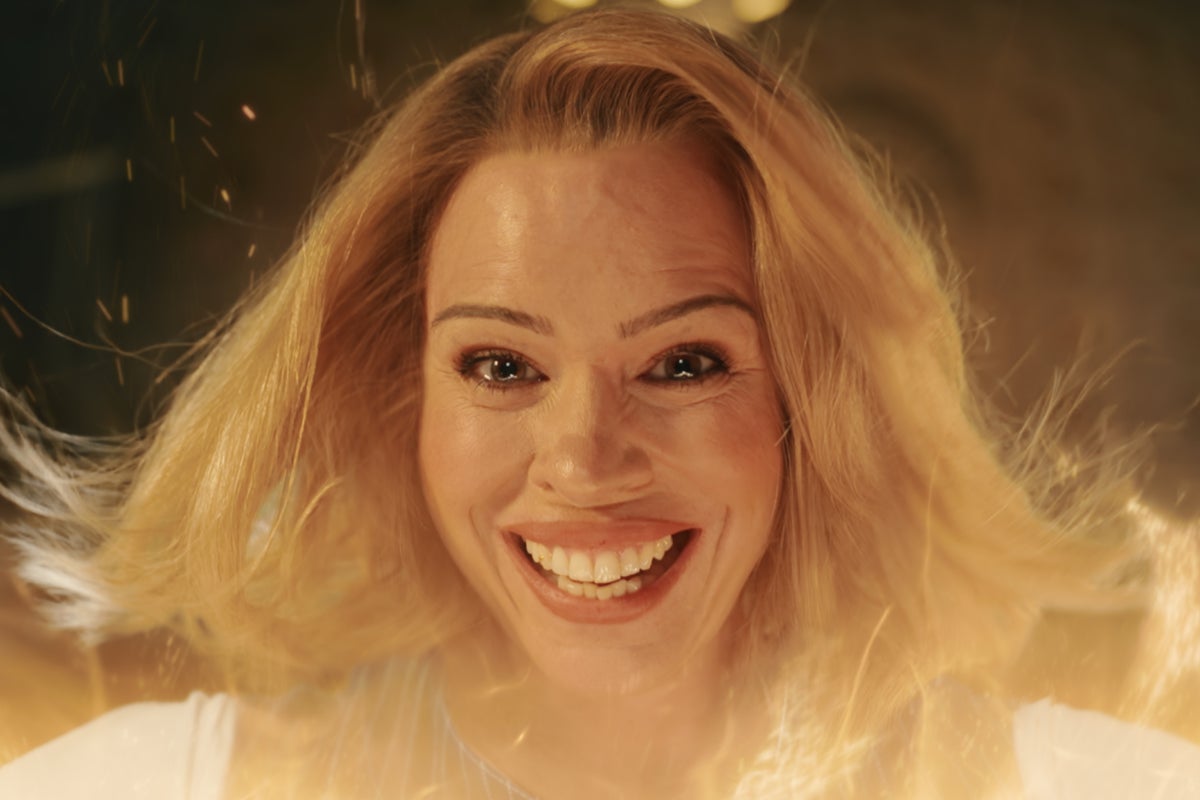
Davies’ departure marks the end of a turbulent period for Doctor Who. His first tenure as showrunner (2005–2010) revitalized the series after its cancellation in 1996, introducing Jodie Whittaker as the first female Doctor and delivering some of the show’s most iconic episodes, including “Blink” and “The Waters of Mars.” His return in 2021—following the departure of Chris Chibnall—was met with mixed reactions. While Davies brought back familiar elements like the Daleks and the Weeping Angels, his narrative choices, including the ambiguous regeneration of Ncuti Gatwa into Billie Piper’s Rose Tyler in Season 15, faced criticism from fans and critics alike.
Davies’ second tenure also saw the introduction of new companions, including Millie Gibson (Ruby Sunday) and John Bishop (Dan Lewis), as well as the return of established characters like David Tennant’s Tenth Doctor in a guest appearance. However, the show’s ratings declined, and the cancellation of the Christmas special reflects broader struggles within the franchise. The BBC’s decision to put Doctor Who out to tender signals a broader shift in the broadcaster’s approach to long-running series, as it seeks to revitalize the show with new creative energy.
The Exit of Russell T Davies and Bad Wolf
Bad Wolf, the production company behind Davies’ tenure, is also exiting. The company, which had been a key player in the show’s revival, will no longer be involved in its production. According to GamesRadar, the decision to put Doctor Who out to tender signals a broader shift in the BBC’s approach to long-running series. The broadcaster has increasingly relied on competitive bidding to refresh its programming, a move that has both revitalized some shows and led to cancellations in others.
Bad Wolf, founded by Russell T Davies and Julie Gardner, has been a major force in the Doctor Who franchise since 2005. The company produced all of Davies’ first tenure, as well as the first two seasons of Chris Chibnall’s run. Its departure from Doctor Who leaves the show without its long-standing production partner, raising questions about the future of the franchise.
In a statement to The Guardian, a BBC spokesperson confirmed that the tender process would begin in the coming months, with production companies invited to submit pitches for the show’s future. The process is expected to take several months, with the BBC aiming to announce a new production partner by the end of 2026. The broadcaster has emphasized that Doctor Who remains a “cornerstone” of its programming, and the tender is designed to ensure its continued success.
The BBC’s decision to put Doctor Who out to tender comes amid a broader industry trend of networks seeking to refresh their programming through competitive bidding. In 2025, ITV Studios won the rights to produce Casualty after a bidding war with other production companies. Similarly, the BBC put EastEnders out to tender in 2024, with BBC Studios retaining the rights for another five years. The move reflects a broader shift in the TV industry, as networks seek to balance financial sustainability with creative renewal.
What Happens Next: The Tender Process and Fan Reactions
The BBC’s decision to put Doctor Who out to tender is a significant development. While the exact timeline remains unclear, the process will likely involve multiple production companies submitting pitches for the show’s future. The BBC has emphasized that Doctor Who remains a “important part” of its lineup, and the tender is designed to ensure its continued success. However, the absence of a Christmas special in 2026—traditionally a major event for fans—has already sparked disappointment.
Fan reactions have been swift and varied. On social media platforms like Twitter and Reddit, discussions have ranged from frustration at the cancellation to speculation about the show’s future. Some fans have expressed concern about the lack of clarity surrounding the next Doctor, while others have welcomed the opportunity for a fresh start.
Russell T Davies’ Instagram post, which downplayed the significance of the Christmas special, has been both praised and criticized. “Will they keep the theme tune? Will they lose the blue box? Will they bring back the Drahvin?! It’s all up for grabs, which is so Doctor Who,” he wrote, framing the uncertainty as part of the show’s enduring appeal. The post sparked a wave of responses from fans, with many expressing their disappointment but also their hope for the show’s future.
Composer Murray Gold, who has worked on Doctor Who since 2005, previously told The Radio Times that Davies had written several versions of the Christmas special script. However, Davies’ denial of ever having written a script—let alone approached an actor for the role—has added to the confusion. The contradiction highlights the challenges of managing expectations in a franchise as beloved and scrutinized as Doctor Who.
In an interview with Digital Spy, Gold confirmed that he had been working on music for a potential Christmas special but that the project had been put on hold. “We were in the early stages of discussing ideas for the Christmas special, but the decision to cancel it took us all by surprise,” Gold said. “It’s a shame, but I’m sure the show will find a way to return stronger than ever.”
The tender process for Doctor Who is expected to involve multiple production companies submitting pitches for the show’s future. Potential bidders may include established players like BBC Studios, ITV Studios, and Warner Bros. Television, as well as new entrants to the market. The BBC has not yet specified the criteria for the tender, but it is likely to include creative vision, production quality, and financial sustainability.
Historically, Doctor Who has thrived on change—from its original run in the 1960s to its revival in 2005. Each new era has brought its own challenges, but also opportunities for reinvention. The show’s ability to adapt has been a key factor in its longevity. Whether this latest shift will lead to another golden age or a period of decline remains to be seen.
The Bigger Picture: Disney’s Exit and the Show’s Future
The cancellation of the Christmas special comes at a time when Doctor Who has faced multiple setbacks. In 2025, Disney+ announced it would no longer co-produce the show, a move that further complicated its financial and creative future. The departure of Ncuti Gatwa as the Doctor in 2025—followed by the ambiguous regeneration into Rose Tyler—left the show’s direction in flux. The cancellation of the Christmas special, therefore, can be seen as part of a broader effort to reset the franchise.
Disney’s exit from Doctor Who was announced in a statement to Variety in 2025, citing a strategic realignment of its international TV operations. The partnership had begun in 2021, with Disney+ co-producing the show alongside the BBC. The collaboration had led to the production of new formats, including the animated series The Power of the Doctor and the spin-off The War Between the Land and the Sea. However, the partnership ended after Season 15, leaving the show without its financial backer.
The loss of Disney’s support has had a significant impact on Doctor Who. The show had relied on the partnership to fund its expansion into new formats, including the animated series and spin-offs. Without Disney’s financial backing, the BBC has had to find alternative sources of funding, leading to the decision to put the show out to tender.

Despite these challenges, the BBC has repeatedly stated its commitment to Doctor Who. The tender process, while risky, offers an opportunity to bring in new creative energy. However, the absence of a clear plan for the next Doctor—and the uncertainty surrounding the show’s future—has left many fans wondering what comes next. The BBC’s statement that the show will return “in all its glory” suggests confidence in its long-term viability, but the path forward remains unclear.
One potential bright spot is the announcement of an animated Doctor Who series in production, though details remain scarce. The animated series, which was originally co-produced by Disney and BBC Studios, is now under the sole production of BBC Studios. The series is expected to feature new stories set in the Doctor Who universe, with plans to explore new characters and worlds.
Meanwhile, the spin-off The War Between the Land and the Sea, produced in partnership with Disney, is not expected to return for a second season. The show, which starred Millie Gibson as Ruby Sunday, was canceled after one season due to budget constraints and creative differences. The cancellation of the spin-off further complicates the show’s expansion plans, leaving fans to wonder what the future holds for the franchise.
The BBC’s decision to put Doctor Who out to tender comes amid a broader industry trend of networks seeking to refresh their programming through competitive bidding. In 2025, ITV Studios won the rights to produce Casualty after a bidding war with other production companies. Similarly, the BBC put EastEnders out to tender in 2024, with BBC Studios retaining the rights for another five years. The move reflects a broader shift in the TV industry, as networks seek to balance financial sustainability with creative renewal.
What This Means for Fans and the Franchise
The cancellation of the Christmas special and the exit of Davies and Bad Wolf represent a turning point for Doctor Who. For fans, the decision is a double-edged sword: while it may lead to a revitalized show, the uncertainty surrounding its future is unsettling. The tender process could bring in fresh ideas, but it also risks alienating long-time viewers who have grown attached to the show’s familiar elements.
Historically, Doctor Who has thrived on change—from its original run in the 1960s to its revival in 2005. Each new era has brought its own challenges, but also opportunities for reinvention. The show’s ability to adapt has been a key factor in its longevity. Whether this latest shift will lead to another golden age or a period of decline remains to be seen.
One of the biggest questions facing Doctor Who is the future of the Doctor. Ncuti Gatwa’s tenure as the Fifteenth Doctor ended in 2025 with his regeneration into Billie Piper’s Rose Tyler. The ambiguity surrounding this regeneration—whether it was a one-time event or the beginning of a new era—has left fans wondering about the show’s direction. The cancellation of the Christmas special and the tender process have only added to the uncertainty.
The BBC has not yet announced a plan for the next Doctor, leaving fans to speculate about the show’s future. Potential candidates for the role have included actors like David Tennant, who has expressed interest in returning to the show, and new faces like Letitia Wright, who has been linked to the role in recent years. However, with the show’s future up in the air, the search for the next Doctor remains uncertain.
The tender process for Doctor Who is expected to take several months, with the BBC aiming to announce a new production partner by the end of 2026. The process will likely involve multiple production companies submitting pitches for the show’s future, with the BBC selecting a partner based on creative vision, production quality, and financial sustainability.
In the meantime, fans can look forward to the animated Doctor Who series, which is expected to premiere in 2027. The series, produced by BBC Studios, will feature new stories set in the Doctor Who universe, with plans to explore new characters and worlds. While the animated series may not replace the live-action show, it offers an opportunity to keep the franchise alive in a new format.
The cancellation of the Christmas special and the exit of Davies and Bad Wolf represent a turning point for Doctor Who. For fans, the decision is a double-edged sword: while it may lead to a revitalized show, the uncertainty surrounding its future is unsettling. The tender process could bring in fresh ideas, but it also risks alienating long-time viewers who have grown attached to the show’s familiar elements.
What is clear is that Doctor Who is at a crossroads. The cancellation of the Christmas special, the departure of its showrunner, and the tender process all signal a willingness to take risks. For now, fans will have to wait—perhaps longer than they expected—to see what the future holds for the Time Lord.
The next chapter of Doctor Who begins with uncertainty, but also with the promise of new possibilities. Whether those possibilities will satisfy fans—or even resonate with them—remains an open question.
Critics argue that the hiatus risks losing momentum while fans debate whether the bold move will ultimately pay off in seasoned storytelling. The BBC’s decision to put the show out to tender reflects a broader industry trend of networks seeking to refresh their programming through competitive bidding. However, the absence of a clear plan for the next Doctor—and the uncertainty surrounding the show’s future—has left many fans wondering what comes next.
Find more reporting in our Entertainment section.
