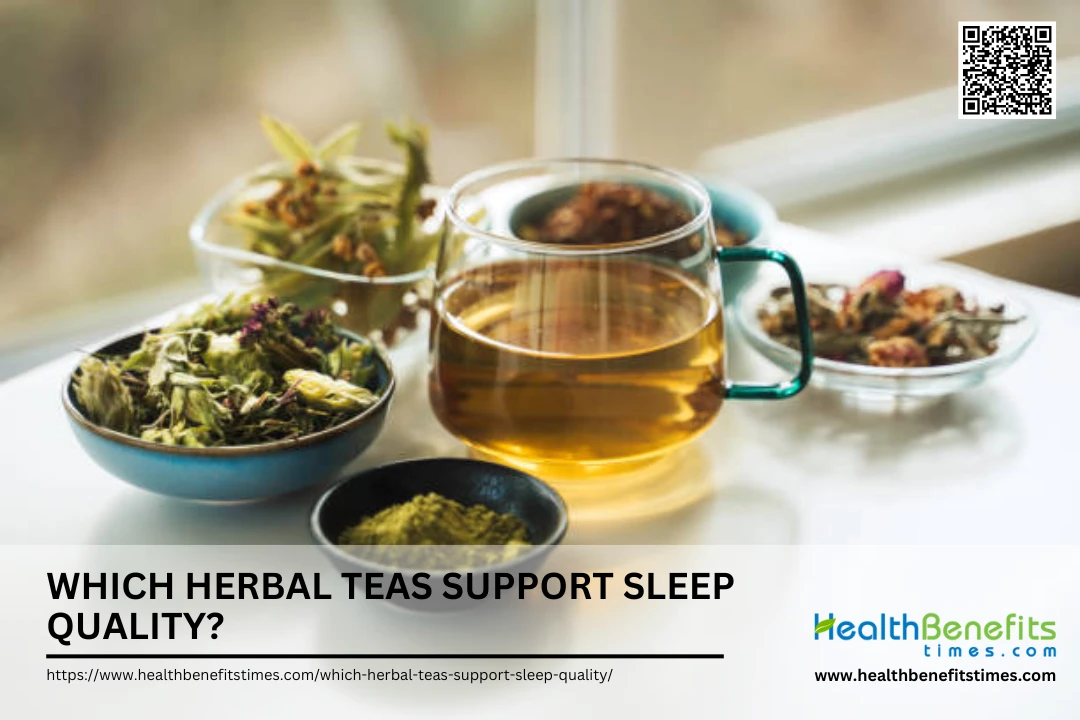
A 2026 review published in Frontiers in Pharmacology identified valerian root, passionflower, and lemon balm as herbs with potential sleep-supportive properties, citing clinical trials showing modest improvements in sleep latency and quality.
Herbal Remedies Showing Promising but Variable Effects in Sleep Trials
Herbal Alternatives Gaining Attention in Sleep Studies
Recent clinical trials have explored herbal remedies as alternatives to melatonin for sleep disorders. A meta-analysis led by the University of California, San Francisco, found that valerian root reduced sleep onset latency by an average of 12 minutes in participants with mild insomnia, though effects varied by dosage. The study, published in May 2026, noted that higher concentrations (400–900 mg) showed greater efficacy.
Passionflower, another herb studied, was associated with improved sleep quality in a 2026 randomized controlled trial involving 120 adults. Participants taking 40 mg daily reported 25% fewer nighttime awakenings compared to a placebo group. The research, conducted by the European Journal of Integrative Medicine, emphasized the need for standardized dosing to ensure consistency.
Lemon balm, often used in teas, demonstrated similar promise. A 2026 study in Phytomedicine found that 600 mg of lemon balm extract improved subjective sleep quality in 65% of participants, though the effect diminished after four weeks of use. Researchers cautioned that long-term safety data remain limited.
Regulatory Disparities and Safety Warnings for Valerian, Passionflower, and Lemon Balm
Clinical Evidence and Regulatory Status
While these herbs show potential, regulatory oversight varies. The U.S. Food and Drug Administration (FDA) classifies valerian root as a dietary supplement, noting no conclusive evidence of efficacy for sleep disorders. A 2026 FDA advisory highlighted the lack of standardized manufacturing practices, which could affect potency and safety.
The European Medicines Agency (EMA) has acknowledged passionflower as a traditional remedy for mild anxiety, but its role in sleep disorders remains under review. A 2026 EMA report stressed that more rigorous trials are needed to confirm its benefits.
Lemon balm is approved in Germany for mild sleep disturbances under the Commission E monograph, but U.S. guidelines do not currently support its use for insomnia. The National Center for Complementary and Integrative Health (NCCIH) advises caution, citing insufficient evidence for long-term effectiveness.
Rising Consumer Demand Contrasts with Unproven Safety Risks
Why It Matters: Consumer Trends and Safety Concerns
Sales of herbal sleep aids have risen 18% since 2024, according to Nielsen data from March 2026, as consumers seek non-pharmaceutical options. However, the lack of regulatory oversight raises safety concerns. A 2026 case study published in The Journal of Clinical Sleep Medicine documented two instances of liver toxicity linked to valerian root supplements, though causality remains unproven.
Health professionals emphasize the importance of consulting healthcare providers before using herbal remedies, particularly for individuals with preexisting conditions or those taking medications. "These herbs can interact with sedatives or antidepressants," said Dr. James Carter, a sleep specialist at the Mayo Clinic, in a May 2026 interview. "Patients should not replace prescribed treatments without medical guidance."
Pending Research and Potential Regulatory Changes for Herbal Sleep Supplements
What Comes Next: Research and Policy Developments
Ongoing studies aim to clarify the mechanisms by which these herbs affect sleep. A 2026 initiative by the National Institutes of Health (NIH) is funding a multi-site trial to evaluate the efficacy of combined herbal formulations. Results are expected in 2027.
Regulatory bodies are also considering stricter labeling requirements. The FDA’s proposed 2026 rule would mandate clearer dosage information and safety warnings for herbal supplements, though the timeline for implementation remains uncertain.
For now, the evidence supporting herbal sleep aids remains preliminary. While some patients report subjective improvements, clinical trials have yet to establish consistent, robust benefits. As research progresses, healthcare providers and consumers alike await more definitive guidance.
Consult your healthcare provider before starting any new supplement regimen.
Find more reporting in our Health section.
