
U.S. President Donald Trump warned Iran on May 18, 2026, that “the clock is ticking” as tensions escalate in the Middle East, threatening “there won’t be anything left of them” if they fail to act swiftly.
Trump’s Direct Threat to Iran
U.S. President Donald Trump directly addressed Iran on May 18, 2026, issuing a stark warning via social media that “the clock is ticking” and urging Tehran to “move fast” to avoid severe consequences. The statement, published on Truth Social, stated: “If they don’t move fast, or there won’t be anything left of them.” This rhetoric aligns with repeated public declarations by Trump in recent weeks, where he has emphasized a confrontational stance toward Iran amid escalating regional tensions.

“The clock is ticking, and they better get moving, FAST, or there won’t be anything left of them.”
Donald Trump, U.S. President
Trump’s remarks were shared on Instagram and other platforms, reflecting a pattern of using social media to communicate urgent policy positions. The statement followed a series of high-profile warnings from the administration, including a May 17, 2026, message from the White House emphasizing that “Iran must choose between peaceful engagement and escalated conflict.”
Context of Rising Tensions in the Middle East
The latest warnings come amid heightened instability in the Middle East, with multiple reports indicating increased Iranian military activity near critical shipping lanes and U.S. forces in the region. According to a May 18, 2026, report by *The New York Times*, U.S. officials have observed heightened Iranian aggression, including the deployment of missile systems and cyber operations targeting Gulf states. Trump’s administration has attributed these actions to a broader Iranian strategy to challenge U.S. influence in the region.
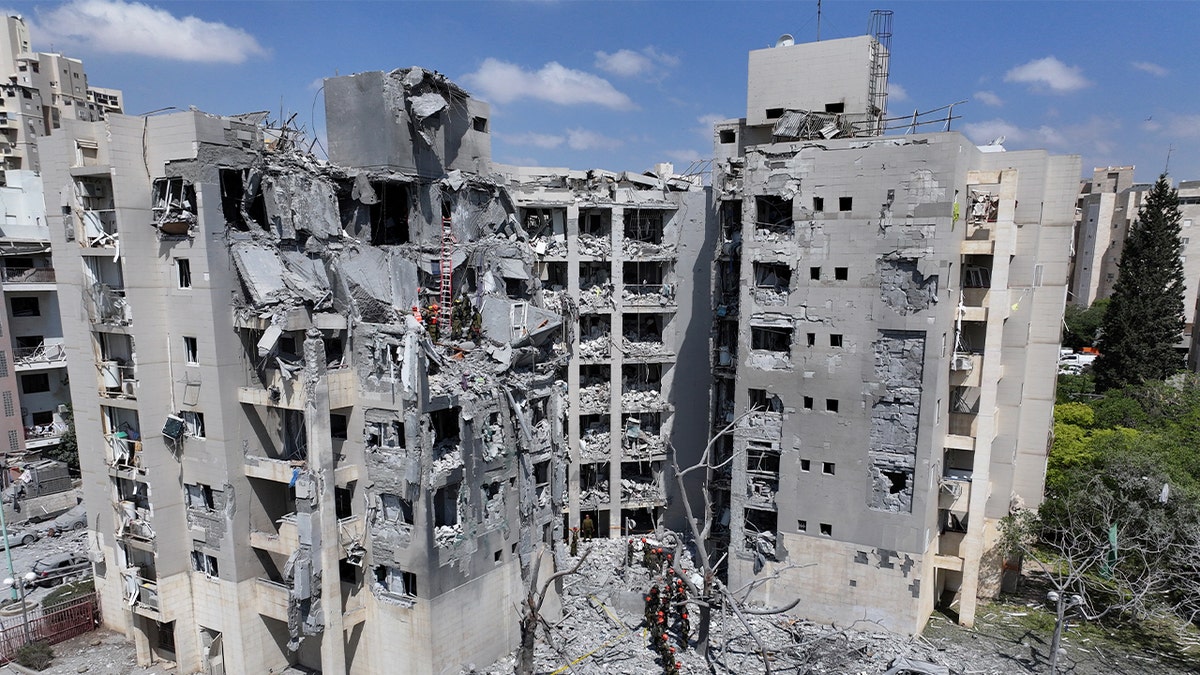
Regional analysts note that the U.S.-Iran dynamic has deteriorated since Trump’s return to power in 2025. His administration has repeatedly criticized Iran’s nuclear program and support for proxy groups in the Middle East, while Iran has accused the U.S. of “hostile actions” and “economic warfare.” The current escalation follows weeks of diplomatic stalemates, with neither side showing signs of de-escalation.
“Trump’s rhetoric is designed to signal resolve, but it also risks provoking a miscalculation,” said a senior analyst at the Middle East Institute, who spoke on condition of anonymity. “The region is already volatile, and such statements could trigger unintended consequences.”
Recent Developments and Legal Background
Trump’s recent focus on Iran coincides with broader political and legal developments in the U.S. On May 17, 2026, the Justice Department announced a $1.7 billion settlement in a lawsuit filed by Trump against the IRS, which he alleged had unlawfully leaked his tax returns. While unrelated to the Iran issue, the case underscores the administration’s ongoing efforts to assert control over federal agencies, a theme that has resonated in its approach to foreign policy.
The settlement, finalized in a court filing, included a provision for an “Anti-Weaponization Fund” to address claims of “lawfare” against Trump allies. This legal context highlights the administration’s broader strategy of framing its actions as a defense against perceived institutional overreach, a narrative that may influence its approach to regional conflicts.
Implications and Regional Reactions
Iran has yet to issue an official response to Trump’s latest warning, but state media outlets have dismissed the statements as “bluster” aimed at diverting attention from U.S. domestic challenges. A May 18, 2026, report by *Al Jazeera* noted that Iranian officials have reiterated their commitment to maintaining “strategic patience,” though they have not ruled out retaliatory measures.
The international community remains divided on how to address the crisis. While European allies have urged restraint, Gulf states such as Saudi Arabia and the United Arab Emirates have expressed support for U.S. efforts to counter Iranian influence. Meanwhile, the United Nations has called for diplomatic engagement, with Secretary-General António Guterres emphasizing the need for “de-escalation to prevent a broader conflict.”
As of May 18, 2026, no immediate military actions have been reported, but the situation remains highly fluid. The U.S. has deployed additional naval assets to the Persian Gulf, while Iran has suspended some diplomatic channels with Washington. Analysts suggest that the coming weeks will be critical in determining whether the conflict escalates further.
