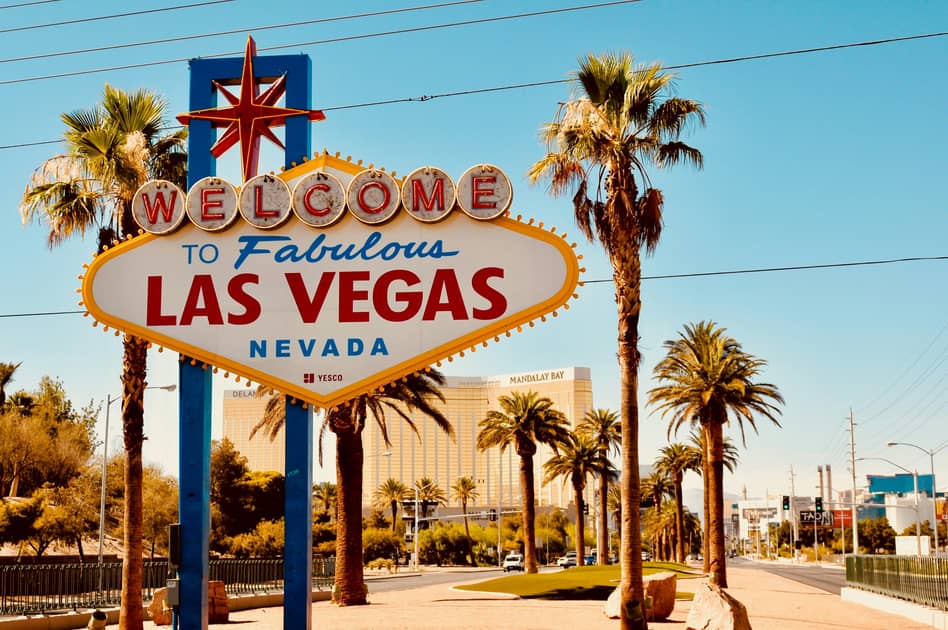
The Las Vegas Strip is bleeding visitors—and the numbers show no sign of stopping. After a 7.5% drop in annual trips last year, the city’s tourism crisis has deepened in 2026, with Canadians, once its most loyal international guests, cutting back sharply. While the Las Vegas Convention and Visitors Authority (LVCVA) blames geopolitical tensions and rising costs, the real story is one of economic self-sabotage: a city that once thrived on bargain-hunting gamblers has systematically priced them out.
Canadians Are Vanishing—and Taking Billions With Them
Canada was once Las Vegas’s crown jewel in international tourism, accounting for nearly a fifth of all visitors before 2025. But according to the Las Vegas Sun’s analysis of a bipartisan Joint Economic Committee report, Canadian arrivals plunged by 9.9 million in 2025—the single largest drop among U.S. trading partners. The reason? Not just Trump-era tariffs, but a perfect storm of perceived hostility: from Mayor Shelley Berkley’s begging Canadians to return (a sign of desperation) to the Strip’s own pricing war against its core customer base.

The data paints a stark picture: While Vegas casinos raked in a record $8.8 billion last year, the visitors who generated that revenue were increasingly high-earning elites. An LVCVA survey found that 44% of guests now have household incomes of $150,000 or more—up from just 28% in 2020. The trade-off? The city’s once-famous affordability has evaporated. Hotels on the Strip now cost 70% more than a decade ago, jumping from $124 to $210 per night, while resort fees and in-room markups have turned a weekend getaway into a budget-buster. Even the most fun city in America, as one travel survey put it, can’t escape the law of supply and demand when two corporations now control most of the Strip.
For Canadians, the math is brutal. The average Australian visitor spends nearly $7,000 per trip to the U.S.—but with tariffs and exchange rates working against them, many are opting for stays at home or closer destinations. The $882 million lost from German visitors alone (a 12.7% decline) is a microcosm of a broader trend: the U.S. was the only major destination to see international tourism shrink in 2025, per the JEC report. And with Americans themselves canceling trips at record rates—24% of surveyed travelers scrapped Vegas plans this year, per islands.com—the city’s survival may hinge on whether it can lure back the middle-class gamblers who built its reputation.
The Pricing Paradox: How Vegas Shot Itself in the Foot
Las Vegas’s decline isn’t just about external forces—it’s a case study in how businesses can outrun their own customer base. The Strip’s strategy to attract wealthier patrons has backfired spectacularly. Casinos have tightened odds in roulette, raised minimum bets at blackjack tables, and eliminated free parking—moves that Morning Brew calls a “decline in value” that’s pricing out the very tourists who once made Vegas synonymous with excess.

Consider the numbers: Resort fees now average $40 before taxes, while in-room purchases (like $20 bottles of water) have become a running joke on Reddit threads. Even the city’s signature entertainment—headliners like David Copperfield—has seen attendance drop as costs balloon. The result? A city that once thrived on volume is now chasing a shrinking pool of high rollers, while the middle class, the backbone of tourism, has been systematically pushed out.
There’s a cruel irony here: Vegas’s revenue hit a record $8.8 billion last year, yet the number of visitors fell. That’s because the city’s pricing strategy has turned tourism into a luxury good—one that only the affluent can afford. For a city where the average visitor once spent $1,200 per trip, that’s a dangerous gamble. If the trend continues, the Strip may soon resemble Atlantic City: a shadow of its former self, propped up by a handful of high-stakes gamblers while the masses stay away.
Democrats See a Royal Flush—But Is It Enough?
The political fallout from Vegas’s tourism collapse is just beginning. While Republicans blame “woke” policies and regulatory overreach, Democrats are framing the crisis as a direct consequence of Trump’s trade wars—particularly the tariffs on Canada, its top international market. The JEC report’s title says it all: “Under Trump, Declining Travel and Tourism is Hitting Local Economies Throughout the United States.” For Nevada Democrats, this is a political goldmine—a chance to paint the administration’s policies as economically destructive.

Yet the timing is delicate. With midterm elections looming, Democrats risk appearing tone-deaf if they don’t address the root cause: Vegas’s own pricing strategy. The city’s leadership has spent years courting high rollers, but the data shows that strategy is failing. The question now is whether Nevada’s politicians can push back against corporate casino interests and restore affordability—or if they’ll double down on a model that’s bleeding visitors.
One thing is clear: The JEC report’s findings are a political weapon. The $14 billion trade deficit in travel and tourism—the first in 27 years—is a smoking gun. But without a plan to reverse the pricing trends that drove middle-class tourists away, even the most damning report may not be enough to save Vegas’s tourism industry.
What Comes Next: Three Scenarios for Vegas’s Future
- Scenario 1: The High-Roller Gamble Pays Off — If Vegas doubles down on its luxury strategy, it may attract more high-earning visitors—but at the cost of further alienating budget-conscious travelers. The risk? A smaller, more exclusive clientele that can’t sustain the city’s economic engine.
- Scenario 2: A Pricing Reset — The city reverses course, reintroduces affordability measures (free parking, capped resort fees), and targets middle-class tourists again. The challenge? Convincing casino owners to take a hit on margins when revenue is still high.
- Scenario 3: The Slow Decline Continues — Without intervention, Vegas becomes a niche destination for elites, much like Monaco or Macau. Tourism numbers keep falling, and the city’s economic reliance on gambling becomes even more pronounced.
The most immediate test will come in the next quarter. If Canadian and international visitor numbers don’t rebound, the city’s leaders may have to choose between their corporate backers and the tourists who built Vegas’s legacy. For now, the Strip’s future hinges on one question: Can a city built on excess afford to become exclusive?
One thing is certain: The days of “what happens in Vegas stays in Vegas” are over. What happens next will define whether the city remains a global draw—or fades into obscurity as another cautionary tale about chasing the wrong customers.
