
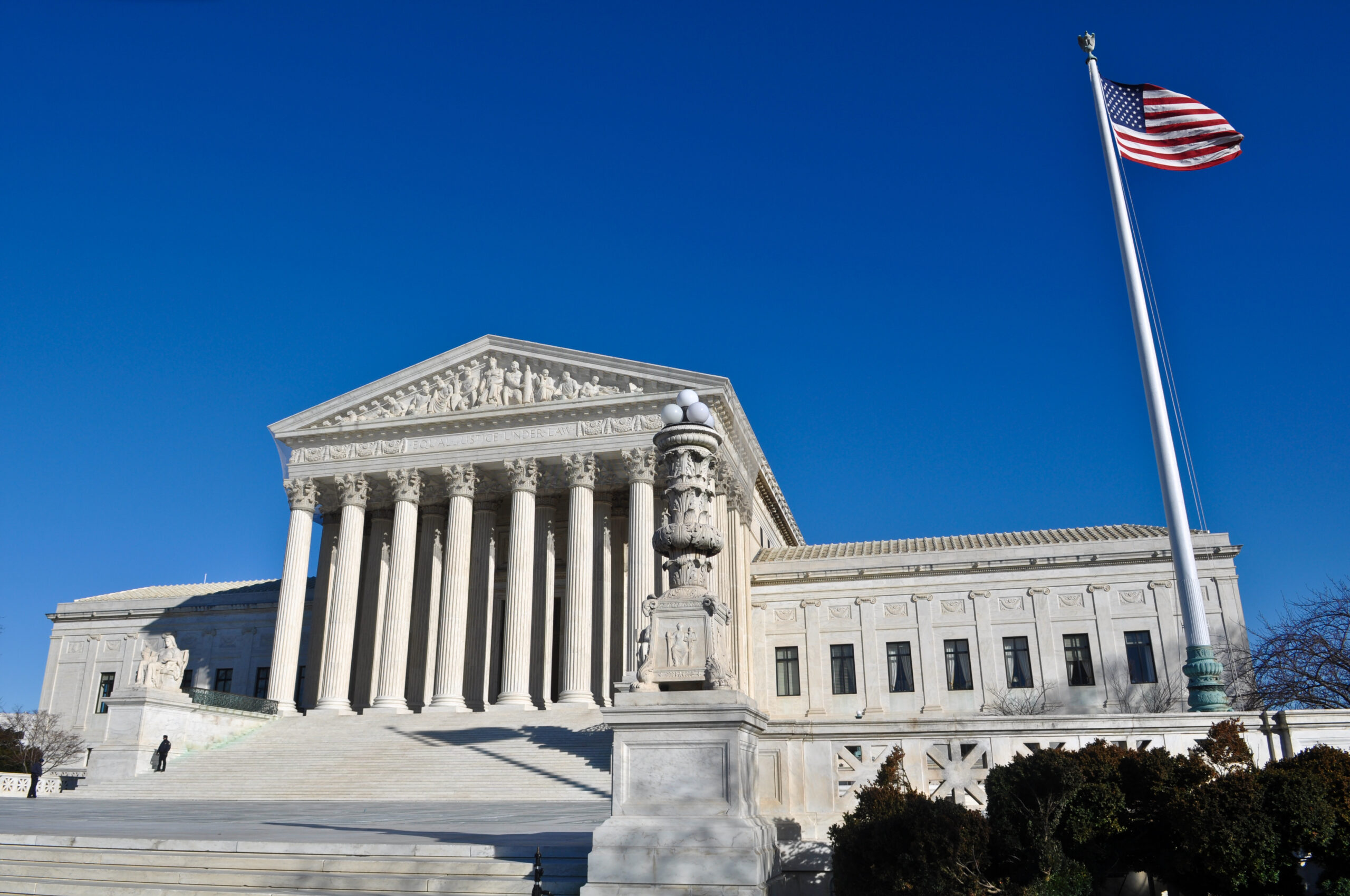
The Supreme Court on Monday rejected former Trump campaign adviser Carter Page’s attempt to revive a lawsuit against former FBI Director James Comey and others over their roles in a federal investigation into Russian interference in the 2016 election, according to NBC News. The case centered on flawed warrant applications that led to surveillance of Page, a man never charged with a crime, and drew sharp criticism from a government watchdog. The Justice Department had previously settled with Page for $1.25 million, but he sought to continue legal action against Comey and other officials.
The Legal Battle Over Surveillance Warrants

Page’s lawsuit alleged that FBI and Justice Department officials submitted inaccurate warrant applications to surveil him, claims later validated by a Justice Department watchdog report. The applications, which sought approval for surveillance under the Foreign Intelligence Surveillance Act, were described as “inherently flawed and uncorroborated,” according to a Justice Department statement. “No American should ever face covert and unlawful surveillance based on their political view,” the statement said, framing the case as a broader constitutional issue.
The Supreme Court’s decision to deny Page’s appeal came after lower courts ruled he had waited too long to file his lawsuit. A U.S. Court of Appeals for the District of Columbia Circuit upheld that finding, leaving the case to be dismissed. The justices did not provide a detailed explanation for their decision, as is typical in such rulings.
Settlement Details and Government Response
Page settled with the Trump administration in April 2026, as his Supreme Court appeal was pending, for $1.25 million, according to the Pottsville Republican Herald. The settlement followed a separate $1.2 million agreement with Michael Flynn, the former Trump national security adviser, who had pleaded guilty to lying to the FBI. The timing of the settlements raised questions about the broader implications of the investigation into Trump’s 2016 campaign.
A government watchdog report criticized the warrant applications used to surveil Page, noting that the FBI had initiated over 40 corrective measures to improve the accuracy of future applications. Former FBI and Justice Department leaders involved in the case later stated they would not have approved the surveillance had they known of the flaws. “The investigation into Carter Page — a man never charged with a single crime — relied on inherently flawed and uncorroborated information, proving it was a political sham from the get-go,” the Justice Department said in a statement.
FBI’s Corrective Measures and Historical Context
The FBI’s handling of the Page surveillance case has drawn comparisons to broader controversies surrounding the Russia investigation. Special counsel Robert Mueller’s probe concluded that Russia had interfered in the 2016 election and that the Trump campaign had “welcomed” that assistance, though no criminal conspiracy was proven. The FBI’s flawed warrant applications were a narrow part of the overall investigation, which included thousands of interviews and documents.
Despite the issues with the warrant process, the surveillance of Page did not significantly alter the outcome of the broader investigation. The FBI has since emphasized its commitment to reforming procedures, stating that the 40 corrective steps taken include improved training for agents and more rigorous oversight of surveillance requests. “The FBI has taken this matter seriously and is working to ensure such errors do not occur again,” an agency spokesperson said.
What Comes Next for the Case
With the Supreme Court’s rejection, Page’s legal options are limited. The Justice Department’s settlement with him, which was finalized in April 2026, effectively ended his ability to pursue claims against Comey and other officials. However, the case has reignited debates about the balance between national security and civil liberties, particularly in the context of surveillance practices.
Legal analysts note that the ruling underscores the challenges of holding government agencies accountable for procedural errors. “The court’s decision reflects a reluctance to revisit settled legal questions, even when there are serious concerns about the integrity of the process,” said a legal expert quoted in the Pottsville Republican Herald.
For now, the case remains a symbol of the contentious legacy of the Russia investigation, with implications for how future surveillance operations are scrutinized. As the nation continues to grapple with the boundaries of executive power and judicial oversight, the Page case serves as a cautionary tale about the risks of flawed intelligence practices.
Find more reporting in our News section.

