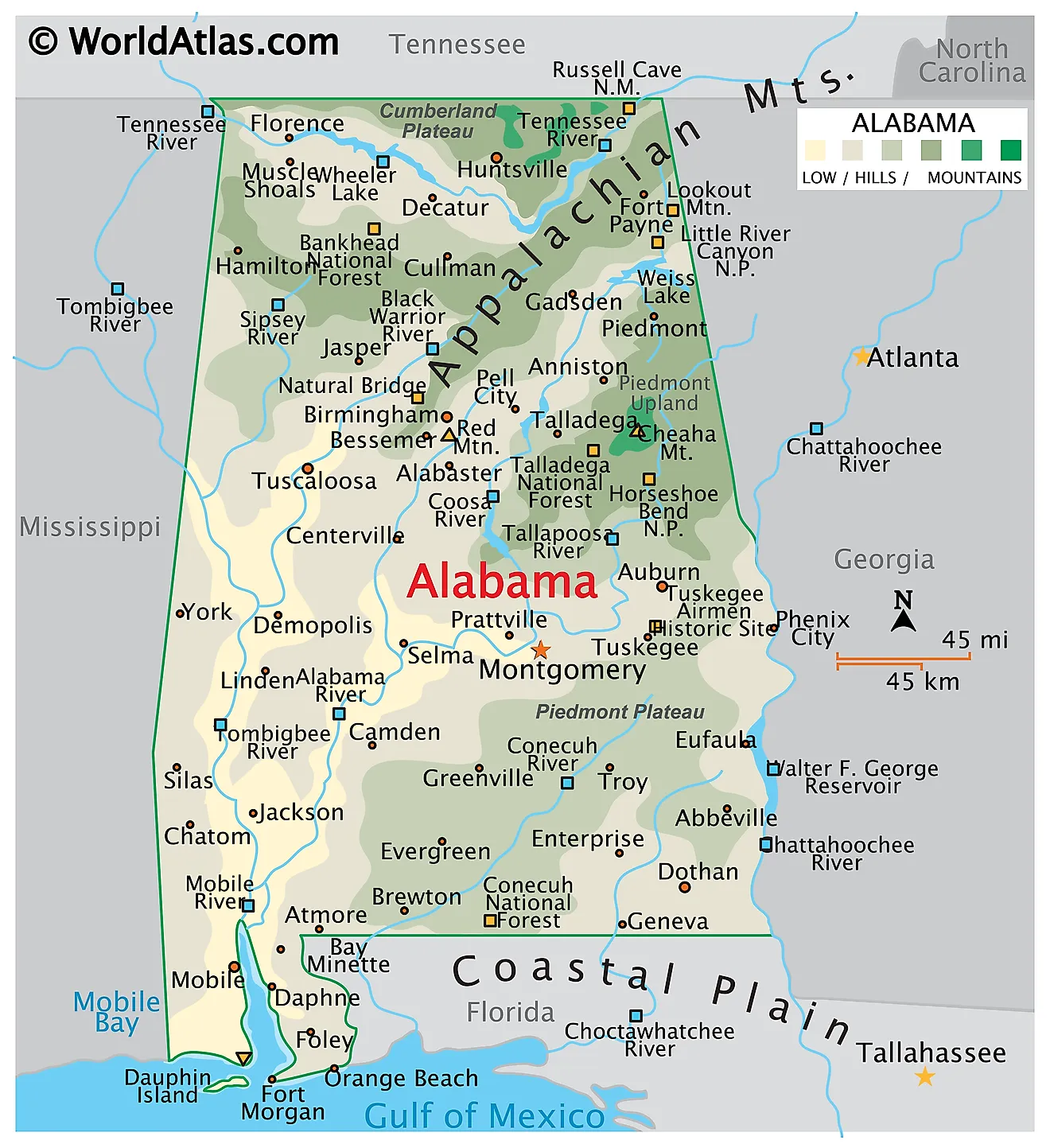
Alabama voters head to the polls on Tuesday, May 26, 2026, for the Republican primary election to select a U.S. Senate candidate. With 40% of the electorate remaining undecided as of early May, the race remains wide open, reflecting a electorate that is sharply divided across the state.
An Open Field in the Republican Primary
The Republican primary for the U.S. Senate in Alabama has reached its final stage, with candidates competing for the nomination ahead of the general election scheduled for November 3, 2026. As of mid-May, the field of contenders remains crowded, with ten candidates having officially qualified for the ballot. The Alabama Republican Party, in coordination with the Secretary of State’s office, has confirmed that all ten contenders met the filing requirements to appear on the ballot for Tuesday’s contest.
Recent reporting highlights a lack of consensus among the Republican base, a factor that has left the outcome of the primary contest unpredictable. Data from early May indicated that 40% of voters had not yet committed to a candidate, leaving the down-ballot races and the Senate nomination in a state of flux. This fragmentation is further compounded by a state electorate that observers describe as being sharply divided
on the direction of the party and the priorities for the upcoming term. Local political observers have noted that this volatility is distinct from previous cycles, where established frontrunners often held a more commanding lead by the final weeks of the campaign.
Campaign Dynamics and Voter Sentiment
The path to the primary has been marked by intense outreach efforts as campaigns attempt to capture the large block of undecided voters. The primary serves as the first major hurdle for candidates looking to secure a seat in the U.S. Senate. While the Democratic and Republican primaries are both occurring this week, the Republican contest has been characterized by its proximity and the high volume of candidates competing for space in the media and on the campaign trail.
For more on this story, see Trump Targets Thomas Massie as Six U.S. States Hold Primary Elections.
Analysts note that the high level of indecision among Republican voters is a significant variable for campaigns. Candidates have been focused on differentiating their platforms to appeal to a base that has yet to coalesce around a single frontrunner. The lack of a clear leader in the polls has intensified the pressure on individual campaigns to solidify their support before voters cast their ballots on Tuesday. Campaign finance filings submitted to the Federal Election Commission show that several candidates have ramped up television and digital advertising expenditures in the final 14 days, attempting to reach voters in key media markets across the state.
State-level officials have reminded voters that polling stations will operate under standard hours on Tuesday, May 26. Election authorities have emphasized the importance of voters verifying their registration status and polling locations through the official Alabama Secretary of State’s online portal prior to arriving at the precinct. This administrative preparation follows a series of regional debates held throughout April and early May, which served as the primary venue for candidates to contrast their policy positions on federal spending, judicial appointments, and agricultural subsidies.
The Path to November
Following the primary elections this week, the focus of both parties will shift toward the general election. The winner of the Republican primary will move forward to face the candidate selected in the Democratic primary. The general election, set for November 3, 2026, will determine who takes the Senate seat.
While the primary process has been the primary focus of the last several weeks, the broader electoral map remains the ultimate goal for the qualifying candidates. As the primary concludes, the party will look to reconcile the internal divisions that have made the current race so competitive. The results from this week’s voting will provide the first concrete data on which candidate has the most momentum heading into the final months of the 2026 election cycle. Party leadership has publicly stated that they intend to unify behind the primary winner to ensure a cohesive strategy for the November general election.
The uncertainty surrounding the Republican primary underscores the volatility of the current political environment in Alabama. With the polls opening on Tuesday, the campaigns are entering their final hours of operation, attempting to sway the remaining undecided voters before the window for the primary closes. Political consultants monitoring the race have indicated that voter turnout in the primary will be a critical factor, as lower-than-anticipated participation could significantly alter the final vote tallies given the large number of undecided respondents identified in early May polling.
