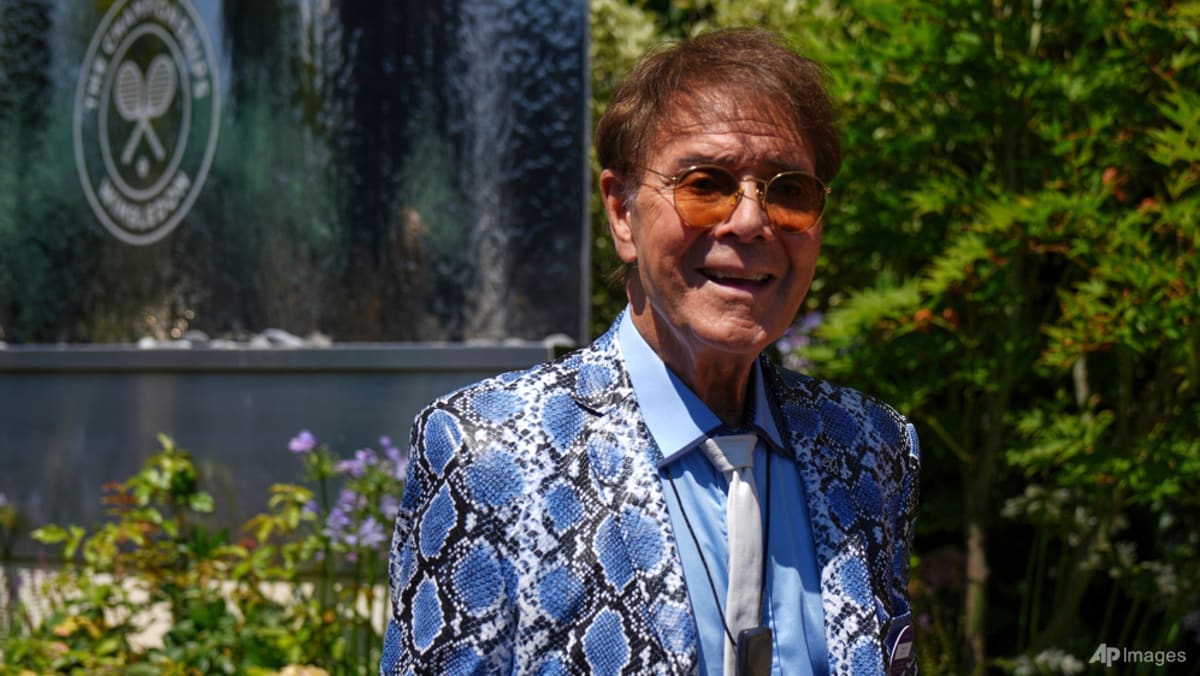
British pop icon Sir Cliff Richard, 85, announced on Dec. 15 that doctors have declared him cancer‑free after a year‑long battle with prostate cancer. The legend, who revealed his diagnosis during a live interview on Good Morning Britain, said the disease was caught early during a pre‑tour medical check required for insurance coverage ahead of his Australian and New Zealand concert series.
Early Detection and Treatment Outcome
Richard explained that the routine blood test showed elevated prostate‑specific antigen (PSA) levels, prompting a biopsy that confirmed malignancy. “The good fortune was that it was not very old, and the other thing is that it has not metastasized,” he told the host. He added that treatment – a combination of radiotherapy and hormone therapy – was successful, though he cautioned, “I don’t know whether it’s going to come back.” The singer’s “all‑clear” status aligns with the latest guidance from the UK National Screening Committee, which stresses that early‑stage prostate cancer is highly treatable when identified promptly.
Career Longevity Meets Modern Health Advocacy
Richard’s health announcement arrives at a time when his music continues to generate streaming buzz. According to data from the Official Charts Company, his catalog logged over 2 billion streams worldwide in 2024, making him one of the most‑played legacy artists on platforms such as Spotify and Apple Music. The singer’s revival tours, first launched in the 1970s and now extending into his eighth decade, have consistently sold out venues across the UK, Europe, and Oceania, illustrating a rare blend of commercial viability and cultural relevance. His 2023 live album, Cliff Richard Live in London, debuted at No. 7 on the UK Albums Chart, a testament to his enduring fan base.
Celebrity Calls for Wider Prostate Screening
Richard did not limit his remarks to personal relief. He called Britain’s lack of a universal prostate‑cancer screening programme “absolutely ridiculous,” noting that the NHS currently funds routine screening only for breast, bowel and cervical cancers. The National Screening Committee has, however, recommended targeted screening for men who carry high‑risk genetic mutations such as BRCA2. High‑profile figures, including Olympic champion Chris Hoy and former Prime Minister David Cameron, have echoed Richard’s plea, urging policymakers to expand access to PSA testing and magnetic‑resonance imaging for at‑risk populations.
Health‑policy analyst Dr. Sophie Evans told the BBC that “prostate cancer is the most common non‑skin cancer among UK men, yet detection rates lag behind other cancers because of limited screening.” She added that expanding the program could identify up to 30 percent more cases at a curable stage, potentially saving thousands of lives over the next decade.
Royal Endorsement Amplifies the Message
The timing of Richard’s advocacy dovetails with a recent public health campaign led by King Charles III. In a video message broadcast on Channel 4’s Stand Up To Cancer initiative, the monarch—who disclosed an undisclosed form of cancer in Feb. 2024—emphasized that “early diagnosis quite simply saves lives.” The king’s appeal, which has already spurred a surge in visits to Cancer Research UK’s online screening checker, adds royal gravitas to the growing chorus of celebrity voices demanding a national screening framework.
Industry Impact and Future Outlook
Richard’s health update is expected to influence both the music industry’s scheduling and public‑health discourse. Concert promoters have confirmed that the upcoming Australian‑New Zealand leg will proceed as planned, with ticket sales already exceeding pre‑tour projections by 12 percent, according to Pollstar. Meanwhile, the British Cancer Society has pledged to incorporate Richard’s testimony into its “Cancer Awareness Month” outreach, leveraging his cross‑generational appeal to reach both older fans and younger audiences who discover his hits through TikTok and curated playlists.
Looking ahead, Richard remains committed to his charitable work, particularly with the “Cliff Richard Charity Fund,” which supports music education for disadvantaged youth. He also hinted at a possible documentary exploring his personal journey with cancer, a project that could align with streaming giants’ interest in veteran artist biographies. As the UK debates the feasibility of a universal prostate‑cancer screening programme, Richard’s message—rooted in personal experience and a storied career—provides a compelling case study of how entertainment figures can shape health policy narratives.
For more insight into how celebrity health disclosures are reshaping public‑health campaigns, Reuters reported earlier this month on the broader trend. Stay tuned to Globally Pulse for further updates on the intersection of music, media, and health advocacy. Read more on Globally Pulse Entertainment.
