Director Carl Rinsch sentenced to 2.5 years for $11M Netflix fraud
Hollywood director Carl Rinsch has been sentenced to 30 months in prison for diverting $11 million in Netflix production funds to finance a lavish lifestyle.
- Headline Dispatch: Director Carl Rinsch sentenced to 2.5 years for $11M Netflix fraud
- Core Takeaway: Hollywood director Carl Rinsch has been sentenced to 30 months in prison for diverting $11 million in Netflix production funds to finance a lavish lifestyle.
- Source Synthesis: Continuous live monitoring aggregated across major news wires and independent bureaus.
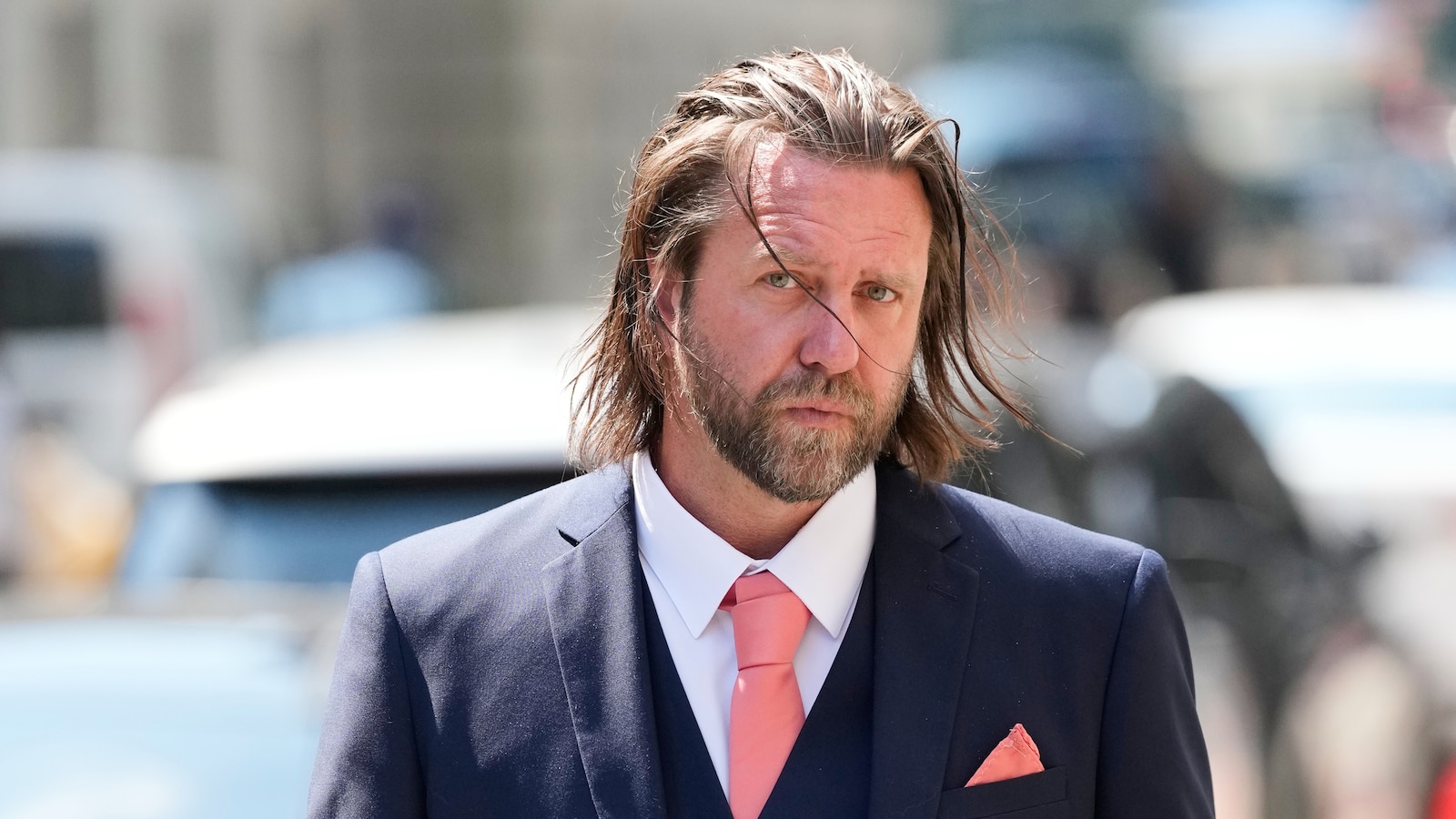
Director Carl Rinsch sentenced to 2.5 years for $11M Netflix fraud
Hollywood writer-director Carl Rinsch was sentenced Monday, June 29, 2026, to 30 months in federal prison for defrauding Netflix of $11 million intended for a science-fiction series that was never completed.
U.S. District Judge Jed S. Rakoff also ordered the 48-year-old director to pay $11 million in forfeiture and restitution, as well as a $700 fine. Rinsch will be subject to three years of supervised release following his prison term. He is expected to report to prison in September.
The case centered on a project titled White Horse
. According to prosecutors, Netflix paid Rinsch approximately $44 million for the series between 2018 and 2019. In March 2020, the streaming service provided an additional $11 million after Rinsch claimed the funds were necessary to wrap up production.
Instead of funding the show, Rinsch diverted the cash into a personal account. Prosecutors and witness testimony revealed that he lost around half of that $11 million within two months through failed investments in speculative stock options. He later put remaining funds into the cryptocurrency market to net a profit, which he then deposited into his own bank account to finance a lavish lifestyle.
Court evidence detailed a series of extravagant purchases made with the diverted funds:
- Five Rolls-Royces and one red Ferrari, totaling at least $2.4 million.
- At least $3.3 million on furniture, antiques, and mattresses, including $638,000 spent specifically on two mattresses and another $295,000 on luxury bedding and linens.
- At least $652,000 on watches and clothes, including a Swiss watch costing at least $387,000.
- Approximately $1.8 million used to pay off credit card bills.
Rinsch, who also uses the professional name Carl Erik Rinsch, was convicted in December 2025 on seven counts, including federal wire fraud, money laundering, and engaging in monetary transactions in property derived from specified unlawful activity. He had previously been arrested in March 2025.
During a one-week trial in New York, Netflix executives testified that the company had only agreed to one season of the show, which Rinsch failed to deliver. Rinsch testified in his own defense, claiming the situation was a misunderstanding
and that he believed the money was intended to keep the project viable during the pandemic.
The director and his legal team argued that his actions were driven by medication problems and mental health struggles, which Rinsch is now addressing with a new care provider. He apologized in court, stating,
and acknowledging that"This process has forced me to confront things about my health, my judgment and my life,"
Carl Rinsch, via Court
real harm was causedbecause he
failed to recognize the danger of the state I was in.
The New York Times reported that colleagues and friends described Rinsch as increasingly erratic after signing the Netflix deal. Reports indicated he believed he could predict volcanic eruptions and lightning strikes and claimed to know about a secret transmission mechanism
for Covid-19.
Actor Keanu Reeves, who starred in the 2013 film 47 Ronin directed by Rinsch, submitted a character reference letter asking for leniency. Reeves described Rinsch as an exceptional artist
and noted that the unfinished White Horse was a superb and visionary work of art
. While stating he did not know the specific details of the fraud, Reeves noted that Rinsch can self-sabotage by amplifying the scale, scope and landscape of what had been negotiated
. Reeves also mentioned participating in a 2019 intervention to help Rinsch obtain mental health care.
Prosecutor David Markewitz argued for a five-year sentence, telling the court that Rinsch’s motive was naked greed
and that he had every advantage, including an elite education and family money. U.S. Attorney for the Southern District of New York Jay Clayton stated in a press release that the sentence sends a deterrent message: fraud will not be tolerated
.
Judge Rakoff concluded that while mental health difficulties may explain some of the excesses
, they did not excuse the fact that Rinsch was determined to lie to get substantial monies from Netflix, lie to cover it up
.
Rinsch's attorney, Daniel McGuinness, stated after the hearing that the legal team looks forward to appealing the case.
How significant is this development?
Participate in our community survey on the trajectory and real-world impact of this news.