Campaign highlights shingles risk
Campaign highlights shingles risk
- Headline Dispatch: Campaign highlights shingles risk
- Core Takeaway: Campaign highlights shingles risk
- Source Synthesis: Continuous live monitoring aggregated across major news wires and independent bureaus.

Campaign highlights shingles risk
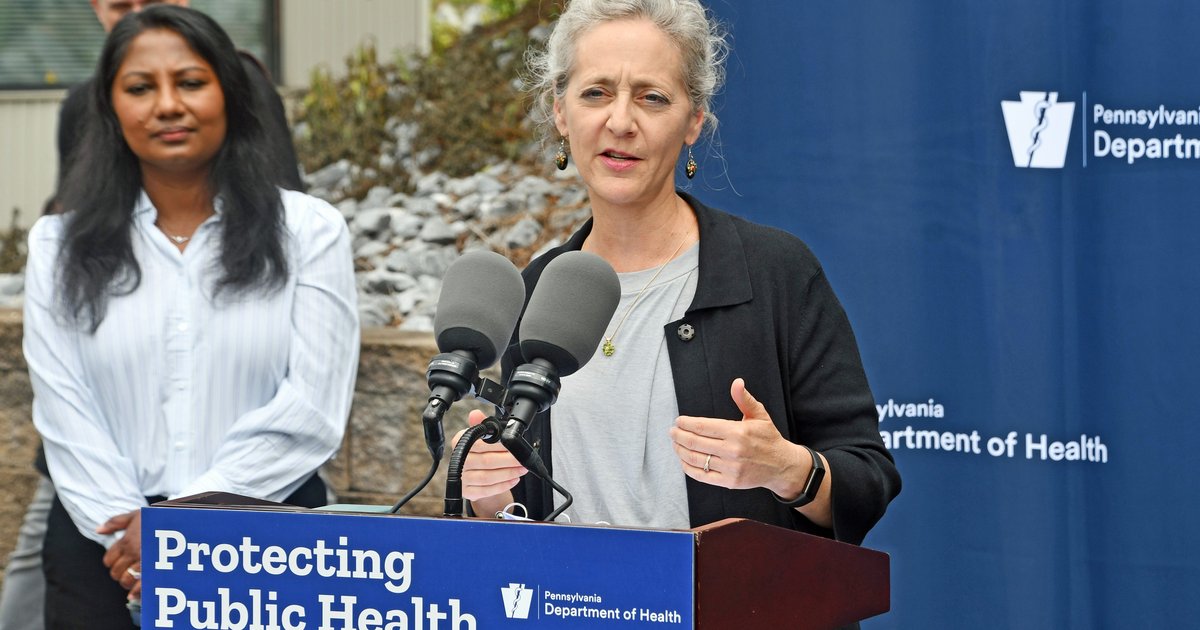
A public health campaign in Beijing has drawn attention to the elevated risk of herpes zoster, also known as shingles, among people living with hypertension, diabetes, and hyperlipidemia, commonly referred to as the "three highs". The campaign, guided by the China Disease Prevention and Control Center, aims to promote integrated management of chronic diseases and vaccine-preventable infections.
According to data presented at the campaign, individuals with high blood pressure, high cholesterol, or coronary heart disease have a 39% higher risk of developing shingles compared to the general population. More than 90% of adults carry the dormant varicella-zoster virus, and approximately one in three will develop shingles in their lifetime. Age is the most significant risk factor, with people over 50 most vulnerable. Those with chronic conditions or compromised immune systems are also at increased risk.
Experts recommend that people over 50 and those with stable chronic conditions consider vaccination as a preventive measure, alongside healthy lifestyle practices. National health policy is increasingly promoting collaboration between clinical care and public health services. Cities including Beijing and Qingdao have launched pilot programs that integrate vaccination guidance into routine medical visits. Some community health centers now include vaccine reminders in health check-up reports and offer on-site vaccination services.
A recent retrospective cohort study published in Clinical Infectious Diseases found that some younger adults with common chronic conditions may face a higher risk of shingles than older adults currently targeted for routine vaccination. The study analyzed health data from 2015 through 2022 and compared shingles incidence among immunocompetent adults aged 18 to 49 years who had select comorbidities to that of immunocompetent adults aged 50 to 59 years without comorbidities.
The analysis found that adults as young as 30 with certain conditions had significantly higher incidence rates of shingles than immunocompetent adults aged 50 to 59 years. The study's findings have potential implications for vaccination strategies, as more than half of US adults have at least one chronic condition, and many have multiple chronic conditions.
A global survey commissioned and funded by GSK highlights widespread gaps in understanding the risk posed by shingles to adults aged 50 and over living with certain chronic health conditions. The survey found that more than two in five respondents had an average understanding of shingles, while over a quarter knew little or nothing about the condition, its symptoms, or related complications.
Almost half of the respondents said that they did not consider their chronic health condition a risk factor in developing shingles, despite evidence that adults living with conditions such as cardiovascular disease, chronic obstructive pulmonary disease, asthma, diabetes, or chronic kidney disease face a higher risk of shingles and its complications.
Despite gaps in shingles knowledge and awareness, concerns about shingles potentially disrupting people's lives remain high. A majority of respondents worry about shingles-linked stays in hospital, and over three quarters worry about how it may disrupt their everyday life.
Experts emphasize the importance of proactive, informed discussions about shingles as part of routine health management and healthy ageing conversations. By raising awareness among high-risk groups and encouraging proactive prevention, the campaign aims to reduce the burden of shingles and promote healthy ageing.
How significant is this development?
Participate in our community survey on the trajectory and real-world impact of this news.