Cayman Islands confirms imported cyclosporiasis case amid U.S. outbreak investigation
Public health officials in the Cayman Islands are monitoring a single imported case of cyclosporiasis amid a widespread outbreak in the United States.
- Headline Dispatch: Cayman Islands confirms imported cyclosporiasis case amid U.S. outbreak investigation
- Core Takeaway: Public health officials in the Cayman Islands are monitoring a single imported case of cyclosporiasis amid a widespread outbreak in the United States.
- Source Synthesis: Continuous live monitoring aggregated across major news wires and independent bureaus.

Cayman Islands confirms imported cyclosporiasis case amid U.S. Outbreak investigation
The Cayman Islands has confirmed one case of cyclosporiasis, though public health officials state the infection was acquired overseas. There is currently no evidence of local transmission or an outbreak within the islands, according to the Ministry of Health, Environment and Sustainability (MHES) and the Public Health Department (PHD).
This confirmation coincides with a widespread outbreak of the intestinal illness in the United States. Since May 1, the Centers for Disease Control and Prevention (CDC) has received reports of 1,645 confirmed domestic cases, and more than 5,100 additional cases are undergoing analysis to confirm if they were domestically acquired. Officials note that because the illness is often underreported, the actual number of infections is likely higher than these estimates.
U.S. Outbreak and Source Identification
The U.S. Investigation has identified a large multi-state outbreak involving Kentucky, Ohio, New York, and Michigan. Michigan has reported the highest number of cases, with over 3,700 infections and 44 hospitalizations between June 22 and July 15. This is a sharp increase from the state's typical annual record of 40 to 50 cases.
Tracing the source of cyclosporiasis is difficult because whole genome sequencing is unavailable for the parasite, which is more complex than bacterial pathogens. However, extensive interviews and traceback investigations have linked shredded iceberg lettuce from Taylor Farms to the outbreak. This specific product was frequently supplied to Taco Bell stores in five states: West Virginia, Ohio, Michigan, Kentucky, and Indiana. The FDA is advising the public to avoid food items containing shredded iceberg lettuce at Taco Bell locations in those states, and the company is working with the FDA to remove the product from its stores.
While the Taylor Farms lettuce has been linked, the investigation remains active to identify any other implicated brands, restaurants, or distribution channels.
Local Impact and Response in Cayman
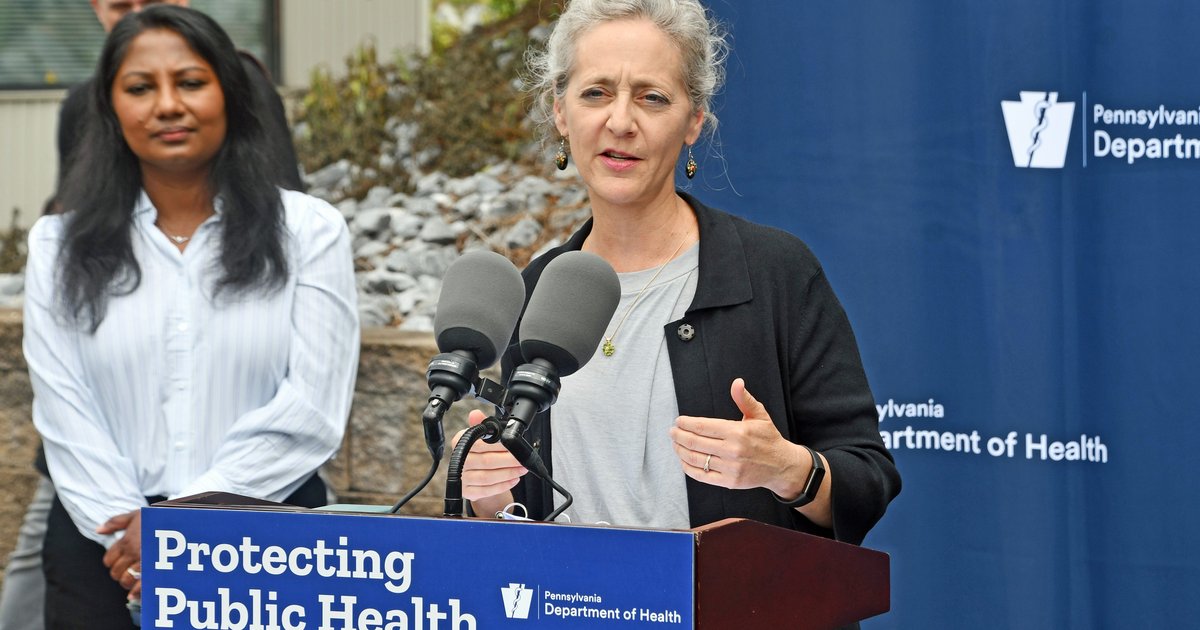
Despite the U.S. Outbreak and the fact that the United States is a primary source of imported produce for the Cayman Islands, Chief Medical Officer Dr. Hilary Wolf stated there is no evidence to suggest
an increased risk to residents.
Dr. Wolf noted that the Cayman Islands Molecular Biology Laboratory possesses the diagnostic capability to detect the infection. She added that health officials are maintaining heightened surveillance and monitoring information from international health partners.
To ensure food safety, Department of Environmental Health Director Richard Simms described a robust inspection process
for imported staples and produce transported between Cayman Brac and Grand Cayman. These inspections verify that the cold chain is maintained via appropriate refrigeration temperatures during storage and transportation. Mr. Simms stated that any contaminated, mouldy, or spoiled produce detected is condemned and destroyed under the supervision of Environmental Health Officers.
Understanding Cyclosporiasis
The illness is caused by the parasite Cyclospora cayetanensis. Infection typically occurs when a person consumes food or water contaminated with human waste. Raw produce is the most common vehicle for the parasite.
Symptoms typically appear one to two weeks after exposure. The primary symptom is diarrhoea, which can be watery or explosive. If left untreated, the illness can last for weeks or months and may relapse. Other symptoms include:
- Nausea and vomiting
- Stomach cramps and bloating
- Loss of appetite and weight loss
- Fatigue
Most patients recover with appropriate medical care, and the illness typically subsides within a few days when treated with antibiotics.
Public Health Guidance
Medical Officer of Health Dr. Eryka Simmons urged residents to be vigilant and increase adherence to hand hygiene. She specifically encouraged the thorough washing of all fresh produce, including items labelled as pre-washed, as the CDC has identified lettuce and pre-packaged salads as potential sources of infection.
The Public Health Department recommends the following safety measures:
- Wash hands with soap and water after using the toilet, changing diapers, and before handling food.
- Clean all fresh fruits and vegetables under safe running water or use a food-safe produce sanitising wash.
- Promptly refrigerate fresh produce.
- Cook foods thoroughly at 158 degrees celsius to destroy the parasite.
- Use bottled or treated water if the safety of the supply is uncertain.
- Monitor official food recall notices.
Health officials advise anyone developing persistent diarrhoea—particularly those who have recently travelled to the U.S. Or consumed fresh produce—to seek medical attention promptly.
Health Minister Katherine Ebanks-Wilks said the government remains committed to acting on the best available evidence to protect the community. The Ministry will continue to monitor developments and provide updates as public health guidance changes.
How significant is this development?
Participate in our community survey on the trajectory and real-world impact of this news.